Injection Molding Applications & Industries
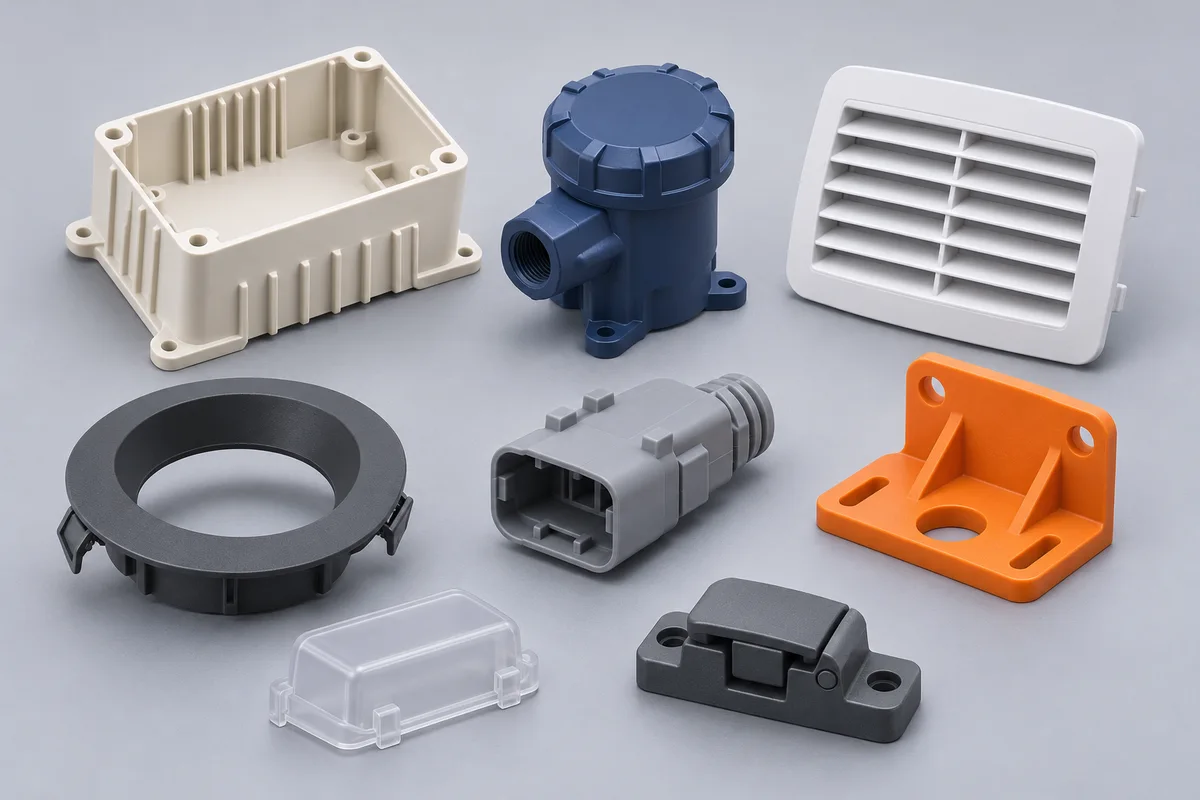
Start with the component and its operating environment. Explore common plastic part applications, then define the geometry, material, assembly and inspection requirements for your project.
On this pageJump to the information you need
Injection Moldingfor Your Industry.
Material performance, fit, finish and production volume vary by application. We review these requirements with you before recommending a tooling and molding approach.
Consumer Electronics
Housings, panels and assembly features
Automotive Components
Plastic structural and functional parts
Medical Equipment
Equipment housings and support parts
Energy & Power
Enclosures and electrical components
Appliances & Smart Home
Covers, vents and control panels
Industrial Automation
Equipment housings and mounting parts
Instruments & Sensors
Display windows and protective housings
Lighting & Electrical
Bezels, bases and assembly parts
Semiconductor Equipment
Housings, carriers and support parts
Household Products
Storage, latches and moving features
Outdoor & Garden Equipment
Tool housings and connection parts
Packaging & Containers
Closures, containers and dispensing parts
Application examples are for project planning. Feasibility, material grade and manufacturing requirements are reviewed for each part.
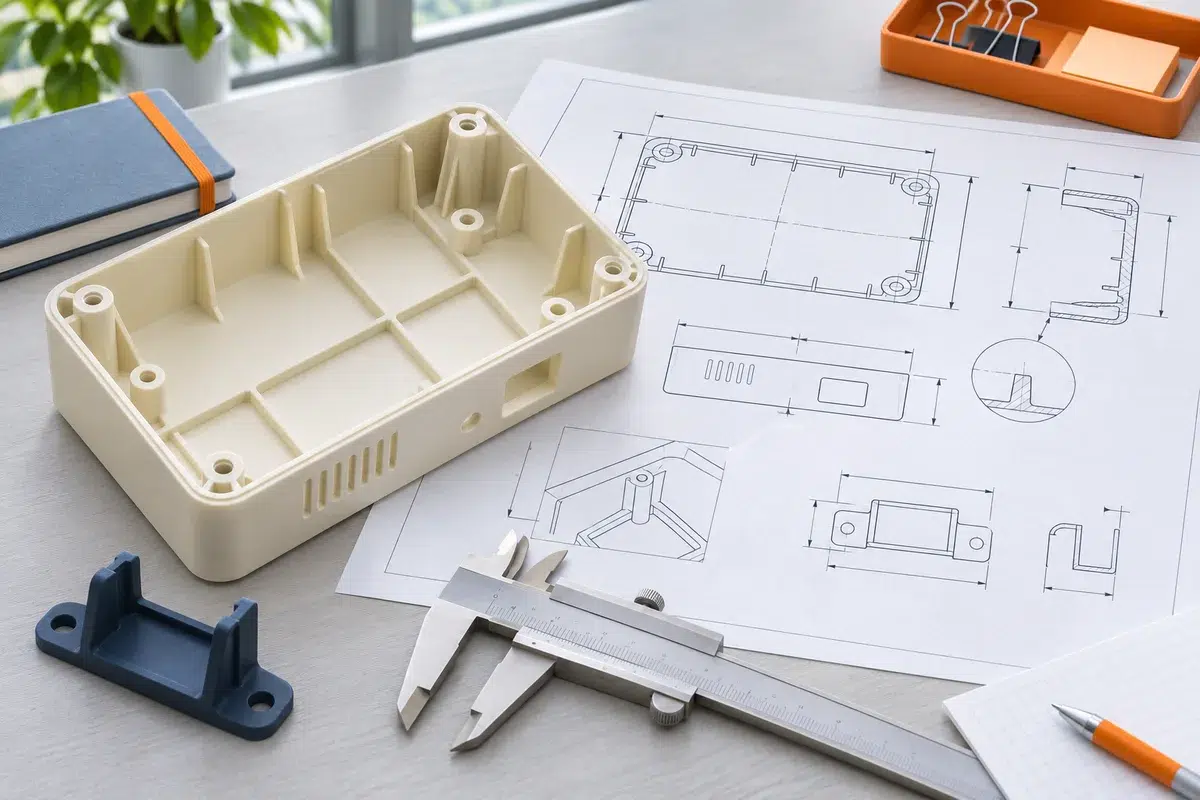
Share How the Component Will Be Used
- Drawings, revision, mating components and critical dimensions.
- Loads, temperature, chemicals, UV or other operating conditions.
- Resin grade, appearance, quantities and required inspection records.
Review the Component, Then the Process
Home Appliances & Smart Home
Plan the cosmetic surfaces and assembly features alongside heat, moisture and cleaning exposure. Share color and texture references, mating parts and the dimensions that control fit.
- Appliance covers and vent grilles
- Control-panel surrounds
- Smart-home sensor enclosures
Industrial & Automation
Define the operating environment, mounting loads and service access. Review threaded inserts, fastening features and whether machining or molding better suits the geometry and quantity.
- Equipment covers and interface housings
- Mounting brackets and cable guides
- Protective mechanical components
Instruments & Sensors
Mark locating features, port geometry and enclosure interfaces. If sealing, optical or electrical properties matter, provide explicit requirements and the intended evaluation method.
- Sensor and instrument housings
- Display surrounds and protective covers
- Connector and mounting interfaces
Lighting & Electrical
Coordinate thermal exposure, electrical requirements and the appearance specification. Clear parts, outdoor use or flame-related requirements need grade-specific material review.
- Lighting bezels and covers
- Electrical housing components
- Mounting bases and wire-routing features
Household & Storage
Review repeated opening, impact, fit and cosmetic requirements. Specify any food-contact or other special use explicitly rather than assuming suitability from the material family.
- Small storage and organizing components
- Latches, clips and handles
- Covers and household assembly parts
Outdoor & Garden
Describe UV, moisture, temperature and chemical exposure. Discuss the exact material grade, mechanical loads and fastening details before selecting a molding approach.
- Tool and equipment covers
- Connectors and mounting components
- Protective outdoor plastic parts
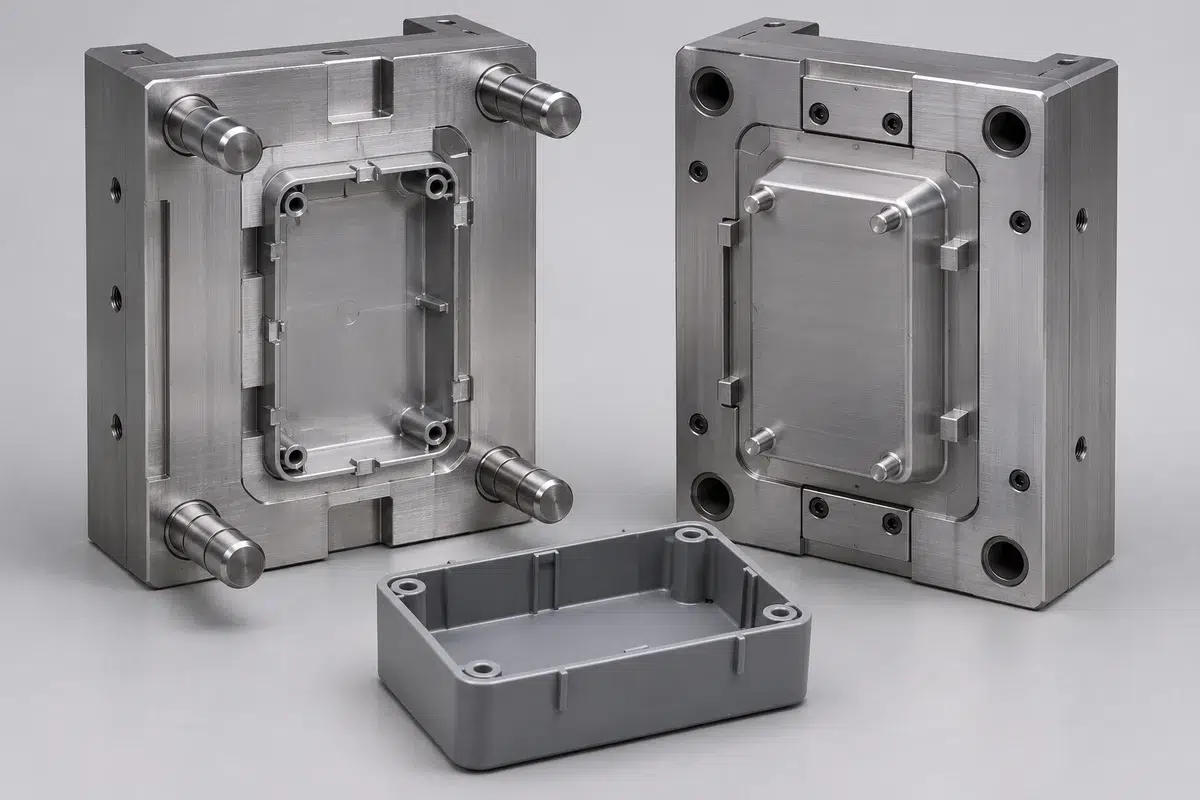
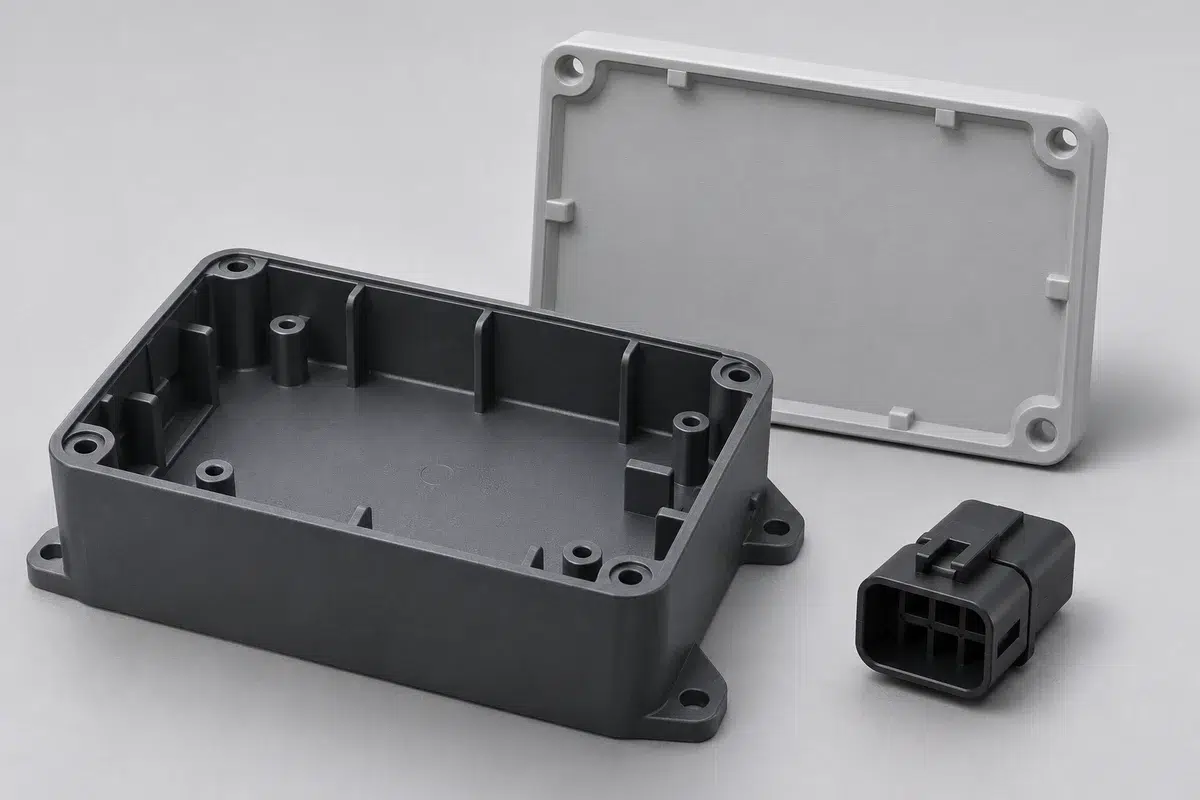
From the Application to the Manufacturing Route
Frequently Asked Questions
Which information is needed for a quote?
A drawing or model, intended use, quantities and material requirements are the starting point. We clarify missing information before confirming the scope and price.
Can you help compare materials?
Yes. Candidate resin families can be reviewed against the application, but the exact grade and any performance tests must be agreed for the finished part.
Can you work from a sample or a photograph?
A sample or photograph can support an initial discussion. Dimensions, tolerances, material and design rights still need to be established before tooling is confirmed.
How are lead time and production quantity confirmed?
Timing and quantities depend on the drawing, tooling approach, material availability and inspection scope. They are confirmed in the project quotation rather than assumed from a generic promise.
How to Request a Manufacturing Quote
Send your part data, agree the scope, then review the quotation and sample plan with our team.
Request a Quote →Share Your CAD Files
Provide a 3D model or dimensioned drawing, intended use, material and quantities.
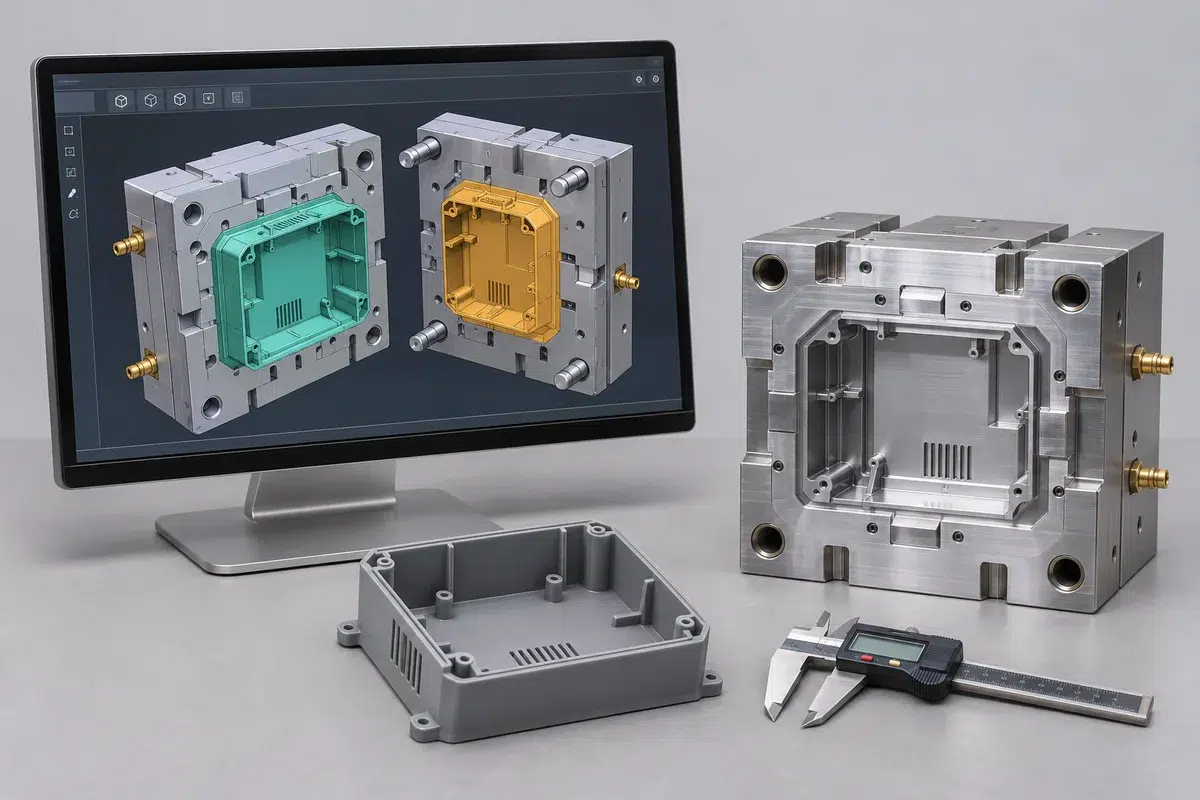
Engineering & DFM Review
Review wall thickness, assembly features, tooling approach and open requirements.
Confirm the Quotation
Agree tooling and part pricing, specifications, quantities and target dates.
Tooling & Trial Samples
After approval, develop the tool and review trial parts against agreed criteria.
Approve Production
Approve samples and confirm the production specification before a repeat run.
Inspection & Delivery
Confirm inspection records, packing and shipping requirements for your order.