
Overmolding Material Compatibility: TPU and TPE with ABS, PC and PP
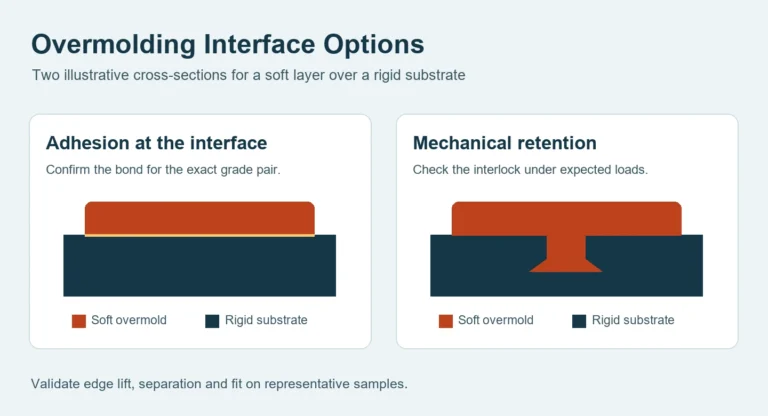
Review exact substrate and elastomer grades, interface geometry, retention and appearance before approving an overmolding trial.
Practical guides to injection molding, tooling, materials and custom manufacturing.
Review exact substrate and elastomer grades, interface geometry, retention and appearance before approving an overmolding trial.
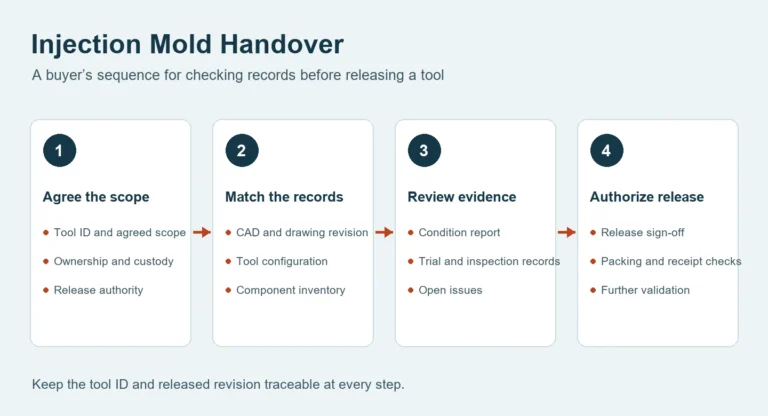
A buyer checklist for mold identity, ownership and custody records, released design files, tool condition, sample acceptance and a documented handover.
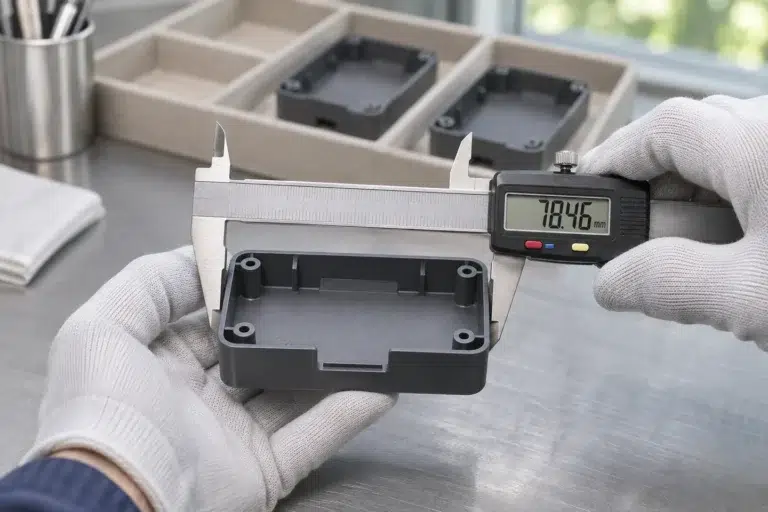
An injection mold trial produces evidence for a decision. Before approving samples, connect each result to the drawing revision, material, mold configuration and agreed inspection method. A sample that looks acceptable is not, by itself, a complete production-release record.
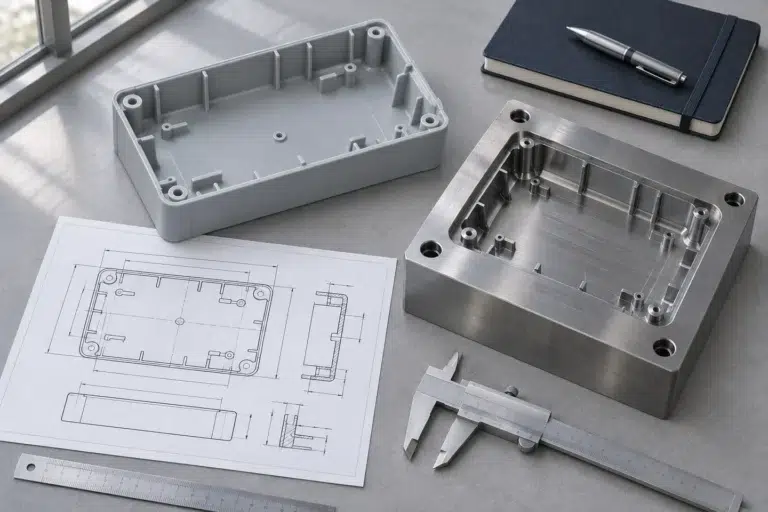
A small change to a plastic part can have a larger effect on its injection mold. Before approving a revised hole, rib, wall or assembly feature, identify what changed, which tool surfaces are involved and how the revised part will be accepted. An injection mold design change checklist helps turn a marked-up CAD model into a reviewable manufacturing decision.
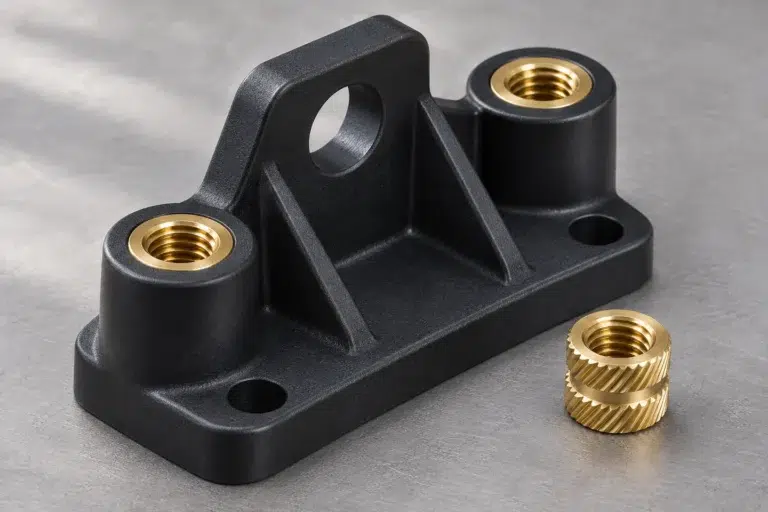
An insert molding design review should connect the metal insert, the surrounding plastic and the finished assembly. A thread specification alone does not tell a mold maker how to locate the insert, keep plastic out of functional areas or evaluate retention after molding. This checklist helps engineering and purchasing teams prepare those decisions before requesting tooling.

Plan Injection Molding Tolerances Around Function and Verification An injection-molded part can change dimension as it cools, conditions and enters service. A