Injection Mold Design & DFM Review
Review your plastic part before committing to an injection mold. BFY Mold in Shenzhen, China connects part-design feedback with cavity layout, gates, cooling and ejection requirements. Send your CAD model, resin specification and production expectations to discuss the DFM scope, open design questions and the next step toward tooling.
CAD model · Material · Quantity · Critical requirements
On this pageJump to the information you need
Connect Part Design With Mold Engineering
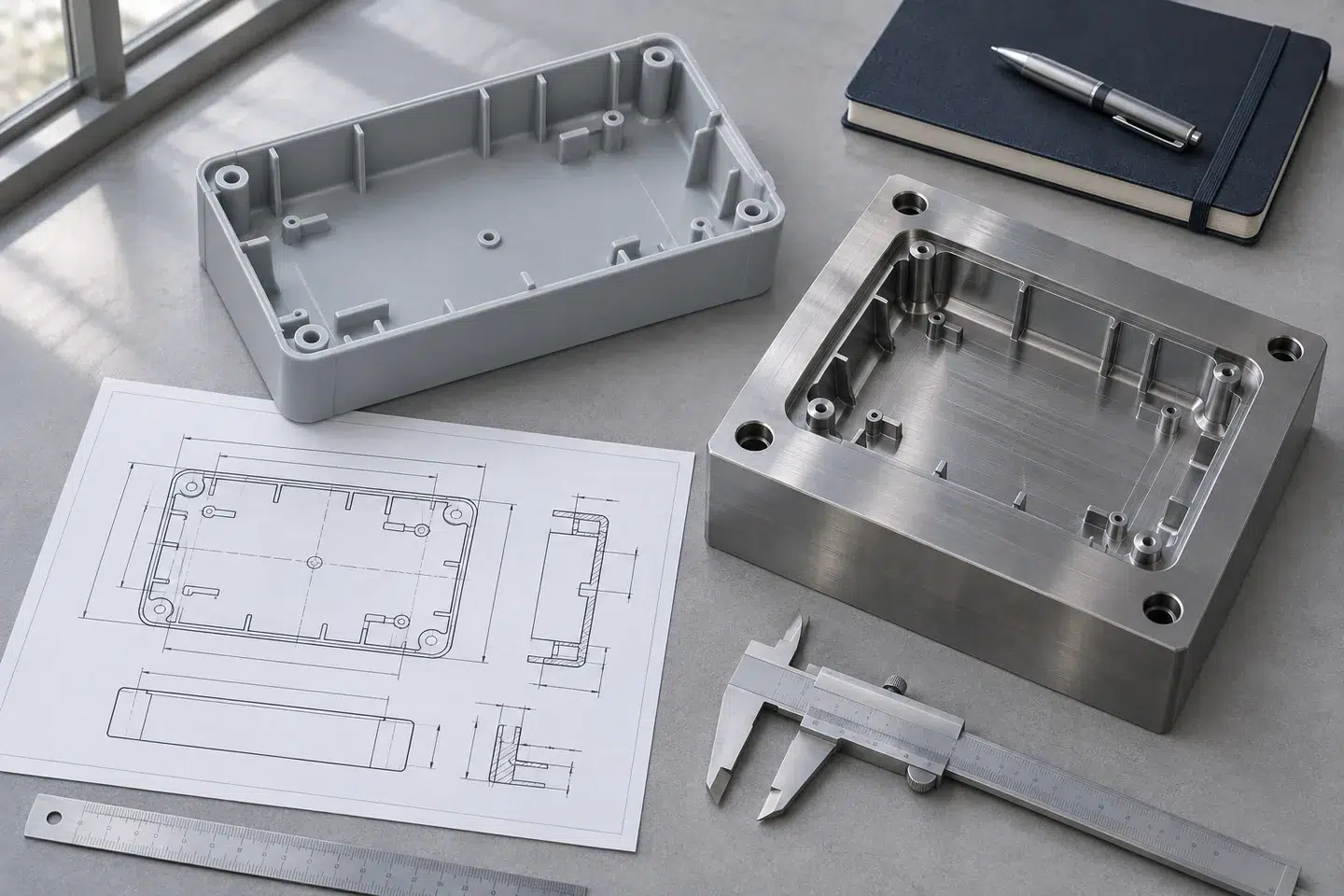
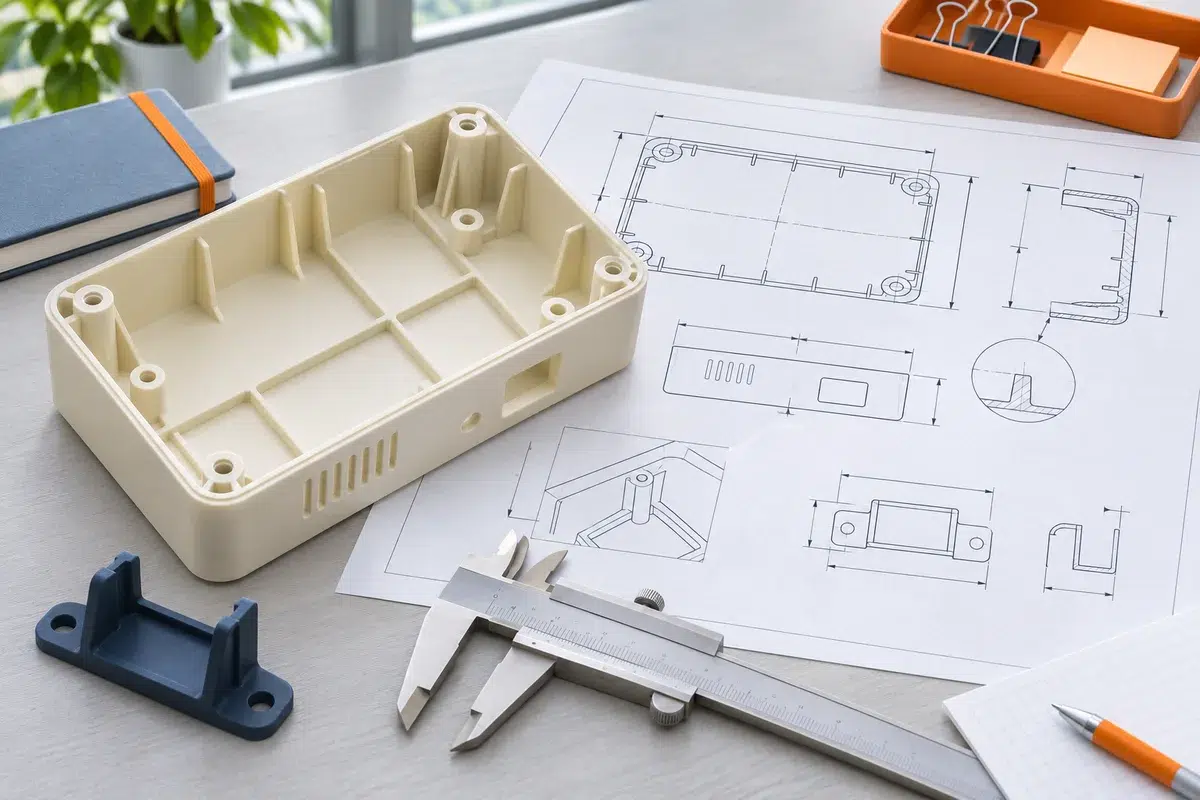
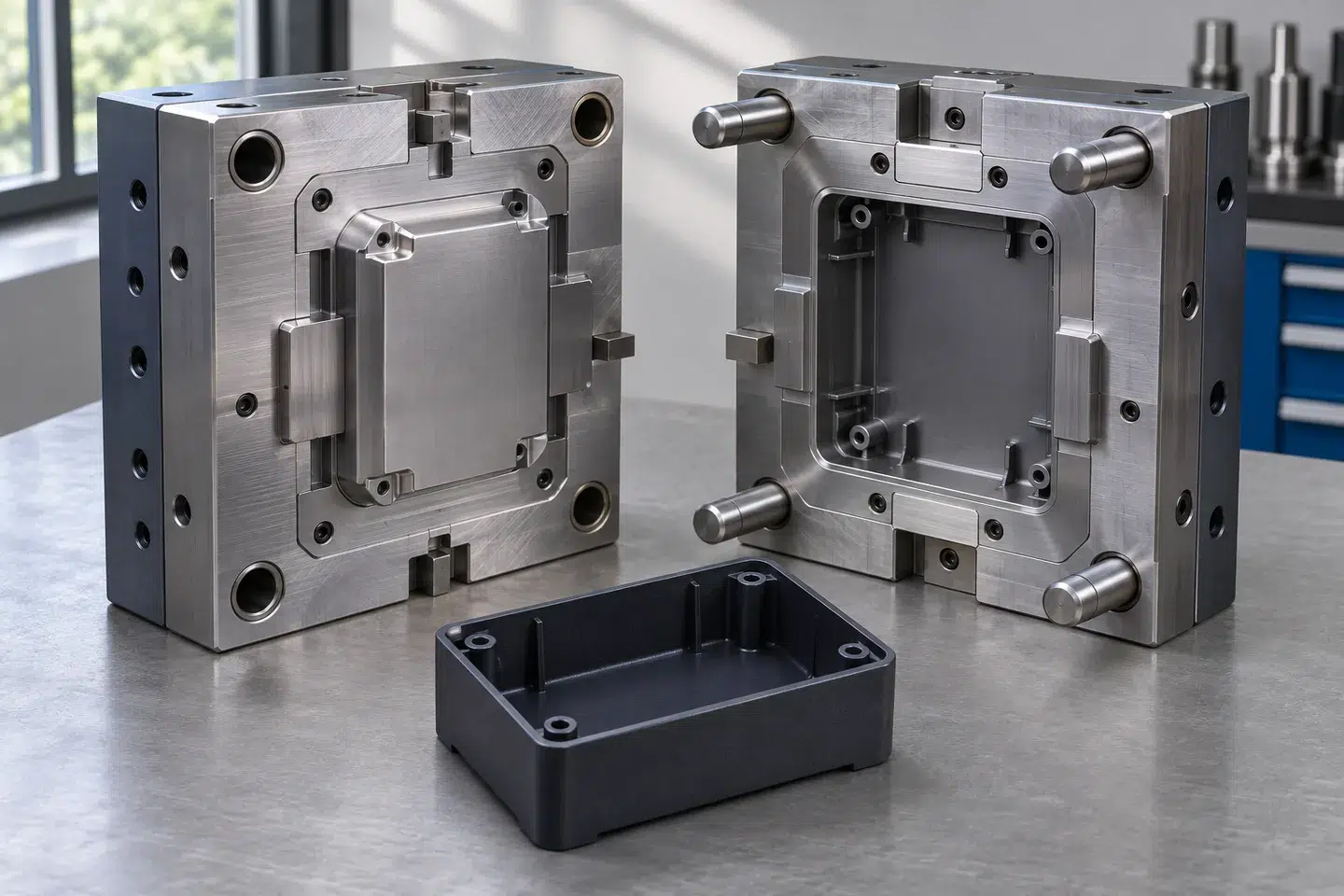
Injection mold design translates the part requirements into a tool that can fill, cool, release and support repeat production. DFM review identifies questions in the part geometry before steel is cut: wall transitions, draft, ribs, bosses, undercuts and assembly interfaces. Mold construction decisions then bring cavity layout, parting lines, gates, cooling and ejection into the same project specification.
- Identify draft, wall transitions, undercuts and mold-release considerations
- Review gates, parting lines, ejection and cosmetic surface restrictions
- Coordinate mold design decisions with tooling and production planning
Mold Design: Specifications & Project Requirements
| Starting information | 3D part model, dimensioned drawing, resin and expected production quantities |
|---|---|
| DFM review | Wall thickness, ribs, bosses, draft, undercuts and critical features |
| Tool layout | Cavity arrangement, parting line, slides or lifters where required |
| Flow & cooling | Gate and runner concepts, cooling approach and resin-related considerations |
| Ejection | Review ejector locations and part release with visible or functional surfaces in mind |
| Design approval | Agree drawing scope, review milestones and deliverables before manufacturing |
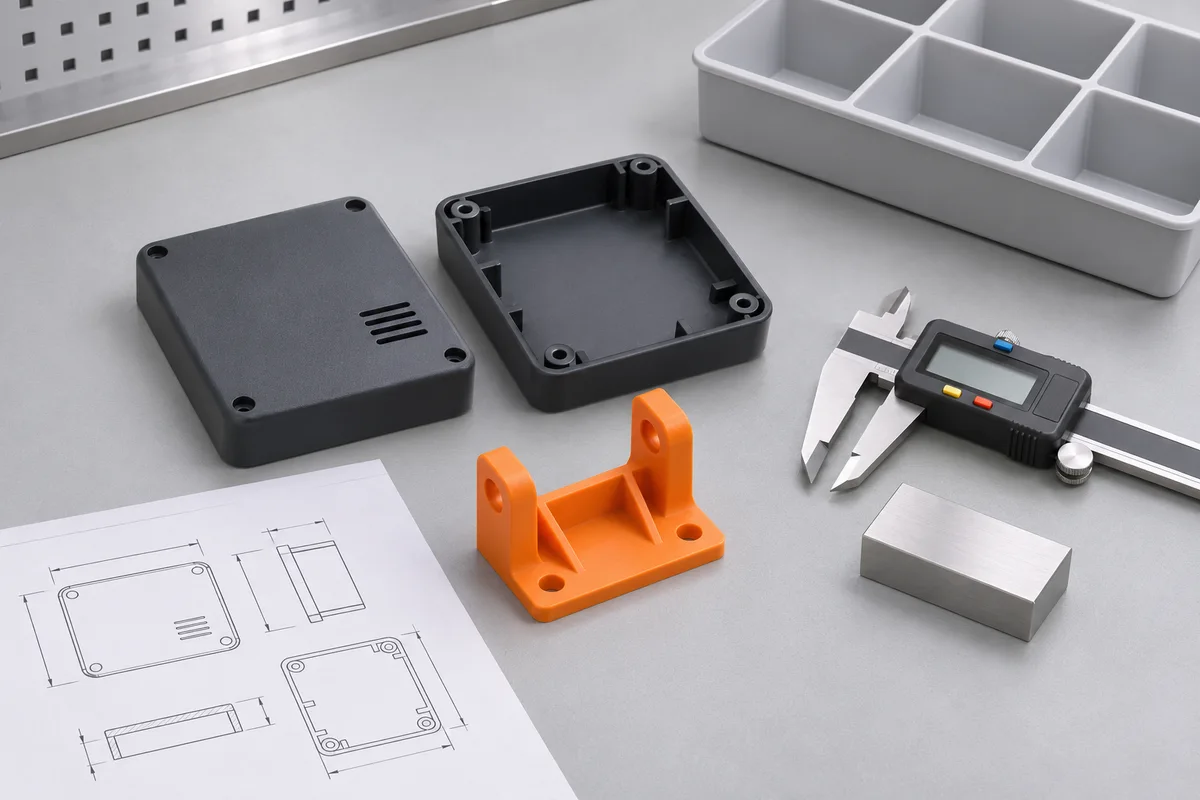
Final feasibility, tolerances, quantities and timing are confirmed after review of your drawings and requirements.
Resolve Design Decisions Before Cutting Steel
Early agreement on functional and cosmetic requirements helps avoid changes later in the tooling process. Tell us which features are fixed by the product and which can be adjusted for manufacturing.
Function & Assembly
Identify mating parts, assembly interfaces, loads and critical dimensions that control fit or performance.
Resin & Appearance
Share the intended resin grade, color, texture and visible surfaces. Resin shrinkage and behavior affect mold decisions.
Production Plan
Expected demand, mold life expectations and the molding machine interface inform tooling layout and maintenance planning.
Technical Review and Production Stages
Review the requirements at each stage, from engineering and tooling to samples, production checks and delivery.
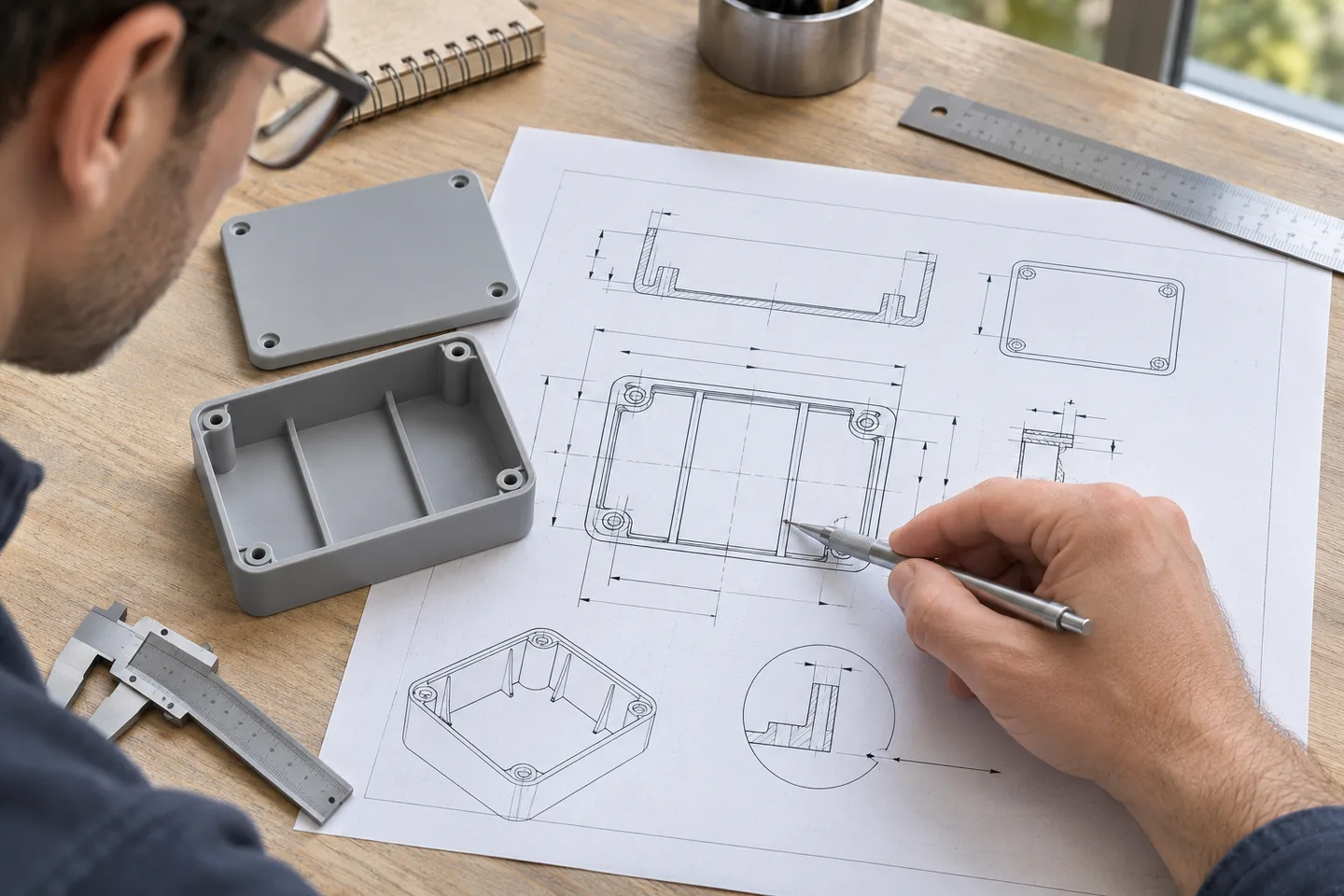
Review the Part Before Choosing the Process
- Project inputs3D CAD, drawing revision, mating components and visible surfaces.
- Review prioritiesPart geometry, assembly, material and expected production quantities.
- Agreed next stepClarify open requirements and confirm the quotation scope.
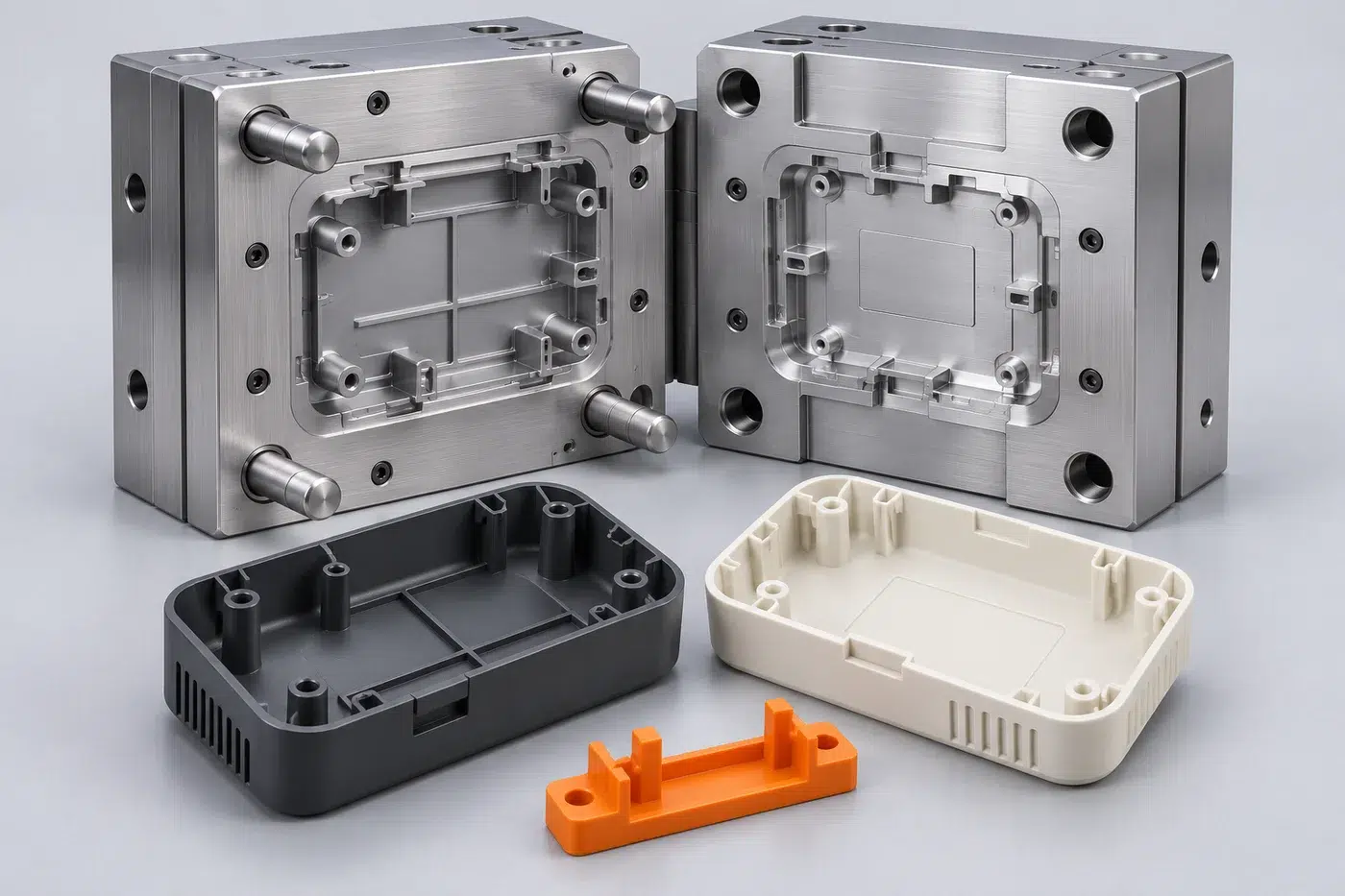
Connect Mold Design, Manufacturing and Trials
- Technical scopeReview cavity layout, parting lines, gates, cooling and ejection.
- Approval criteriaAgree drawing requirements, sample checks and the review process.
- Project planConfirm the work scope and milestones before manufacturing.

Agree the Design Before Tooling Starts
- Approved referenceConfirm the drawing revision, material and agreed sample or specification.
- Process requirementsIdentify critical features, appearance and the checks required for the project.
- Change controlDiscuss changes to the drawing, material or requirements before proceeding.
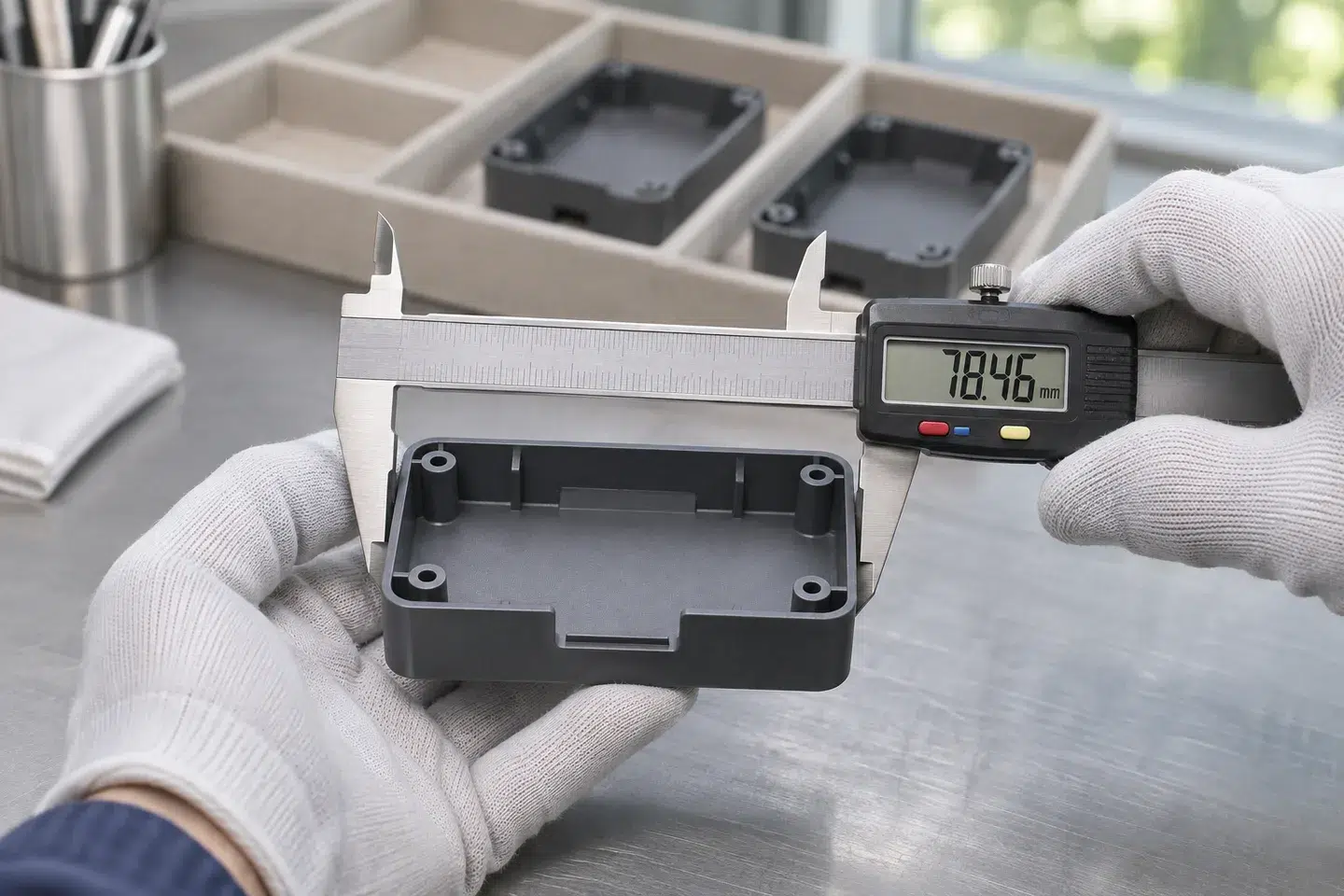
Keep Acceptance and Delivery Requirements Clear
- InspectionDefine the critical dimensions, appearance checks and required records.
- PackagingAgree protection, quantities and handling requirements for shipment.
- Repeat productionKeep drawing revisions and approved requirements clear for later orders.
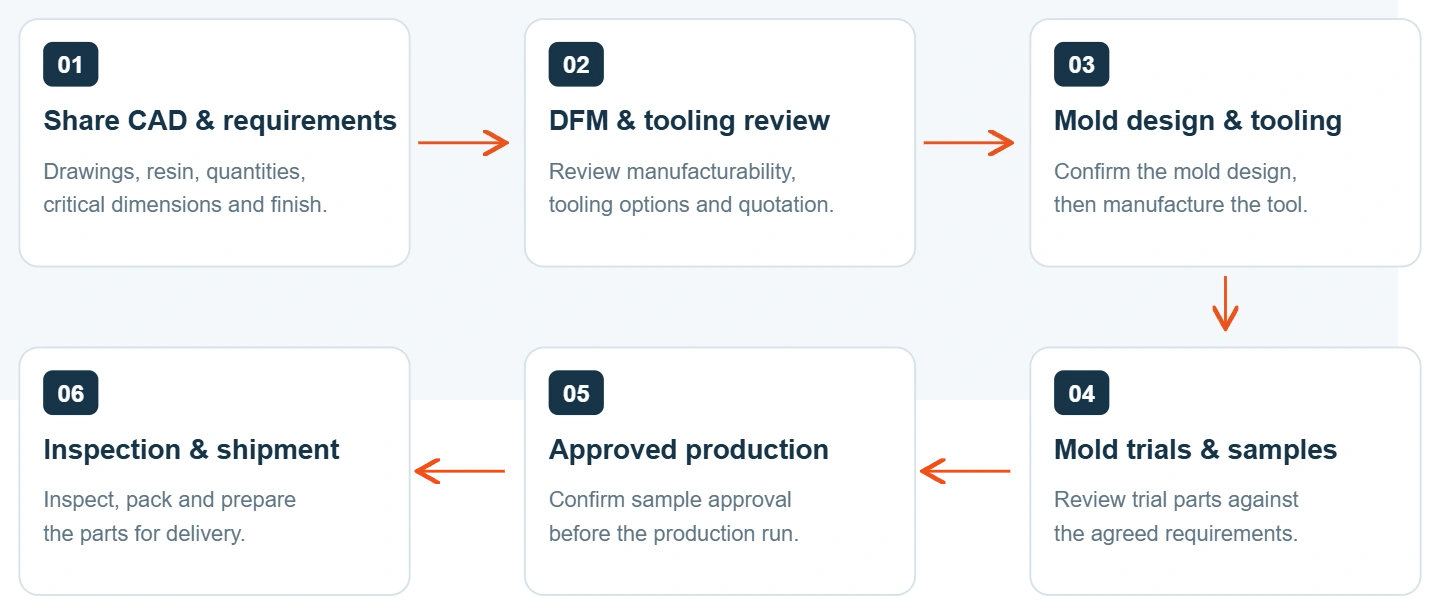
Connect Design, Tooling and Production
Agree requirements early, review tooling and samples, then confirm the approved production and inspection plan for your project.
Define the Mold Design Review Scope
Part Geometry and Appearance
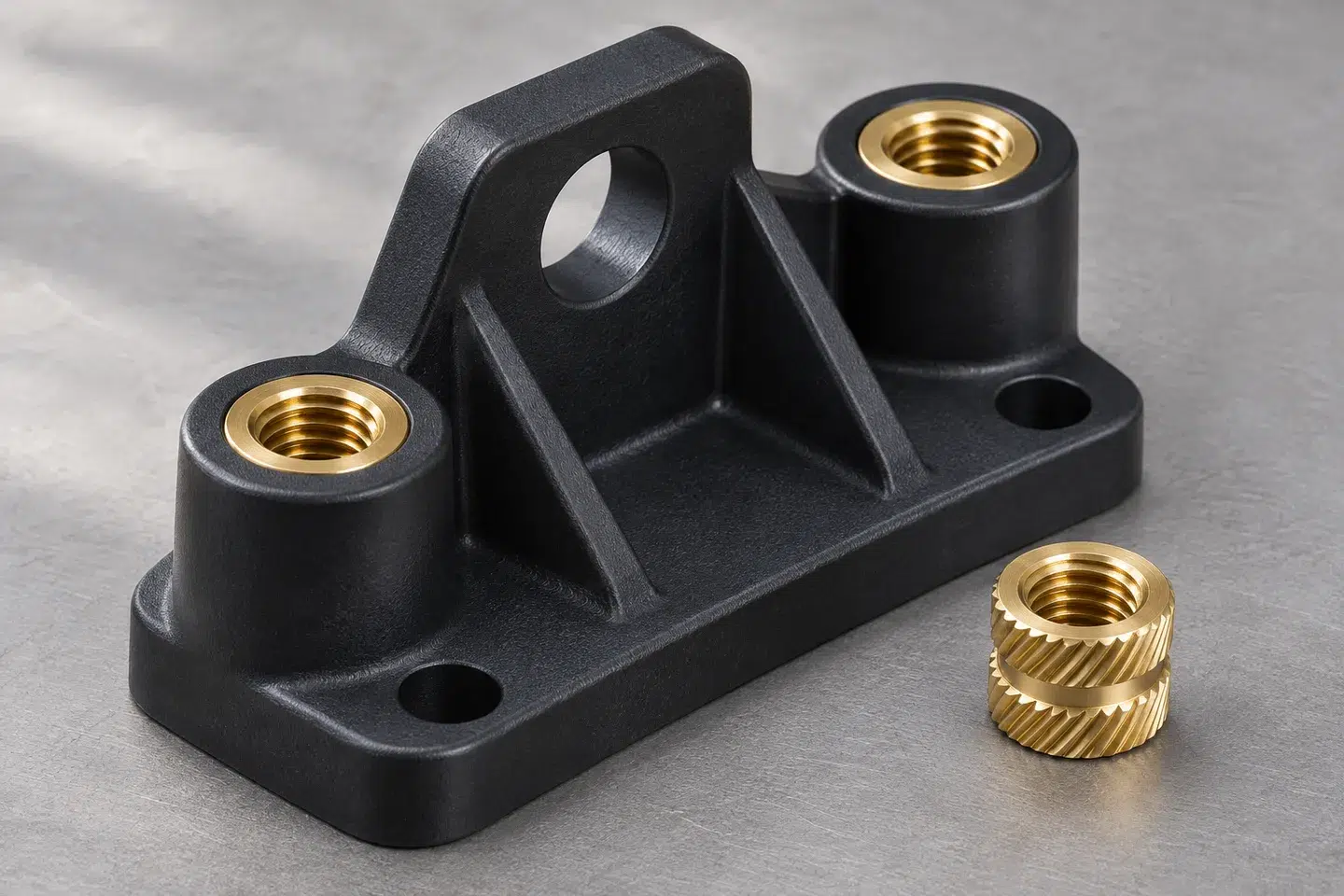
Identify the drawing revision, mating components and visible surfaces. Review wall transitions, rib and boss geometry, draft and undercuts. Mark where a gate, weld line, parting line or ejector witness would affect function or appearance.
Tool Layout and Production
Discuss expected quantities, cavity strategy and the intended molding machine interface. Gate and runner concepts, cooling access, sliders or lifters and ejection need to be considered together; the final approach depends on the part and resin.
Review Outputs and Approval
Agree which drawings, design comments and open issues form the review deliverables. Establish how revisions are approved and how trial samples will be measured. Scope and review stages should be confirmed for the project rather than assumed.
Revising an existing part or tool? Review the mold modification and design change checklist →.
Make the DFM Review Deliverables Clear
| Review item | Information to agree |
|---|---|
| Parting line and gate | Mark visible surfaces and acceptable witness marks. Review filling direction, weld-line concerns and gate removal with the resin specification. |
| Release and ejection | Identify draft, undercuts and assembly features. Consider sliders, lifters and ejector locations where the part geometry requires them. |
| Cooling and dimensions | Identify critical dimensions, thick sections and distortion risks. Review cooling access alongside the agreed inspection conditions. |
| Revision record | Define the drawing revision, open issues and approval owner. Confirm whether a proposed design change requires new trial samples. |
Project questions
Does a DFM review include a complete mold design?
They are different deliverables. DFM examines part manufacturability; a mold design defines tool construction. Agree the drawings and review scope in the quotation.
What should a mold design approval record include?
Record the approved revision, unresolved issues, gate and ejector restrictions, critical dimensions and acceptance requirements. Identify who approves subsequent changes.
Injection Mold Design & DFM Review FAQs
What files are needed for an injection mold design review?
Provide a 3D CAD model and a dimensioned drawing where available, including the revision, resin grade, critical dimensions, visible surfaces and mating features. Include expected quantities and the intended use.
Is DFM the same as a finished mold design?
No. DFM reviews the part for manufacturability and identifies issues to resolve. Mold design defines the tool layout and construction. Agree the required deliverables and approval points for each stage.
Can draft, ribs and wall thickness be reviewed before tooling?
These are useful starting points for review, together with bosses, undercuts, shrinkage assumptions and assembly dimensions. The appropriate recommendations depend on geometry, resin and surface requirements.
How are gate, cooling and ejection decisions made?
They are reviewed against the part geometry, resin, cavity arrangement and cosmetic restrictions. These decisions interact, so they should be assessed as part of one tool concept rather than specified independently.
Can the design review connect to mold manufacturing?
Discuss the design handoff, tool construction and trial-sample criteria with our injection mold manufacturing team. Confirm the scope and approvals before manufacturing begins.
How should production requirements be included?
Share expected order quantities, the resin specification and the critical acceptance criteria. These inputs help connect mold design with the subsequent plastic injection molding project.
Turn a DFM Review Into a Design-Release Record
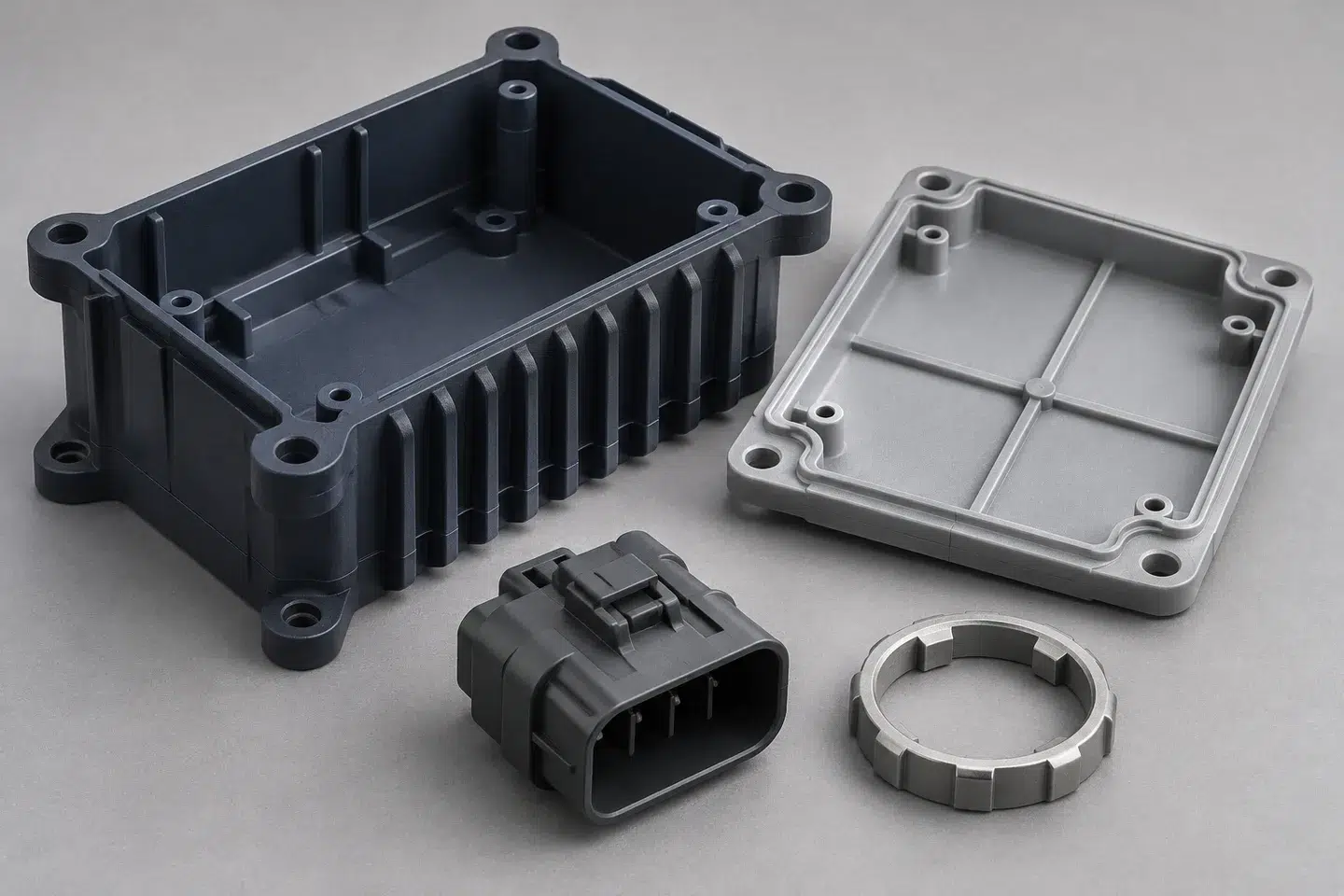
For each agreed concern, identify the affected feature and revision, proposed decision, approval owner and verification method. For an enclosure, connect parting-line and gate restrictions with cooling, ejection and assembly requirements; an illustrative review is provided in the injection mold design guide.
Before tool manufacture, agree the project-specific DFM and tool-design deliverables. Preserve the released files in a tooling handover register and use the sample approval checklist to define how the decisions will be verified.
How to Request a Manufacturing Quote
Send your part data, agree the scope, then review the quotation and sample plan with our team.
Request a Quote →Share Your CAD Files
Provide a 3D model or dimensioned drawing, intended use, material and quantities.
Engineering & DFM Review
Review wall thickness, assembly features, tooling approach and open requirements.
Confirm the Quotation
Agree tooling and part pricing, specifications, quantities and target dates.
Tooling & Trial Samples
After approval, develop the tool and review trial parts against agreed criteria.
Approve Production
Approve samples and confirm the production specification before a repeat run.
Inspection & Delivery
Confirm inspection records, packing and shipping requirements for your order.
Request a Design Review
Tell us the material, quantity, critical dimensions, finish and target schedule. Add your drawing or model so we can review the manufacturing requirements.
Attach PDF, JPG, PNG or ZIP files, up to 50 MB per file. Put STEP/STP, IGES or X_T CAD files in a ZIP archive. You can also email info@bfymold.com.