
Plastic Components for Energy & Power Applications
Plan custom housings, connectors and supporting components around their electrical, thermal and mechanical requirements. Review the part specification, material and production route before tooling.
On this pageJump to the information you need
Energy & Power Plastic Components: Design Requirements
These examples describe application directions. The manufacturing route is selected after reviewing the actual drawing and requirements.
- Protective equipment housings and covers
- Connector surrounds and cable-routing features
- Mounting and mechanical support components
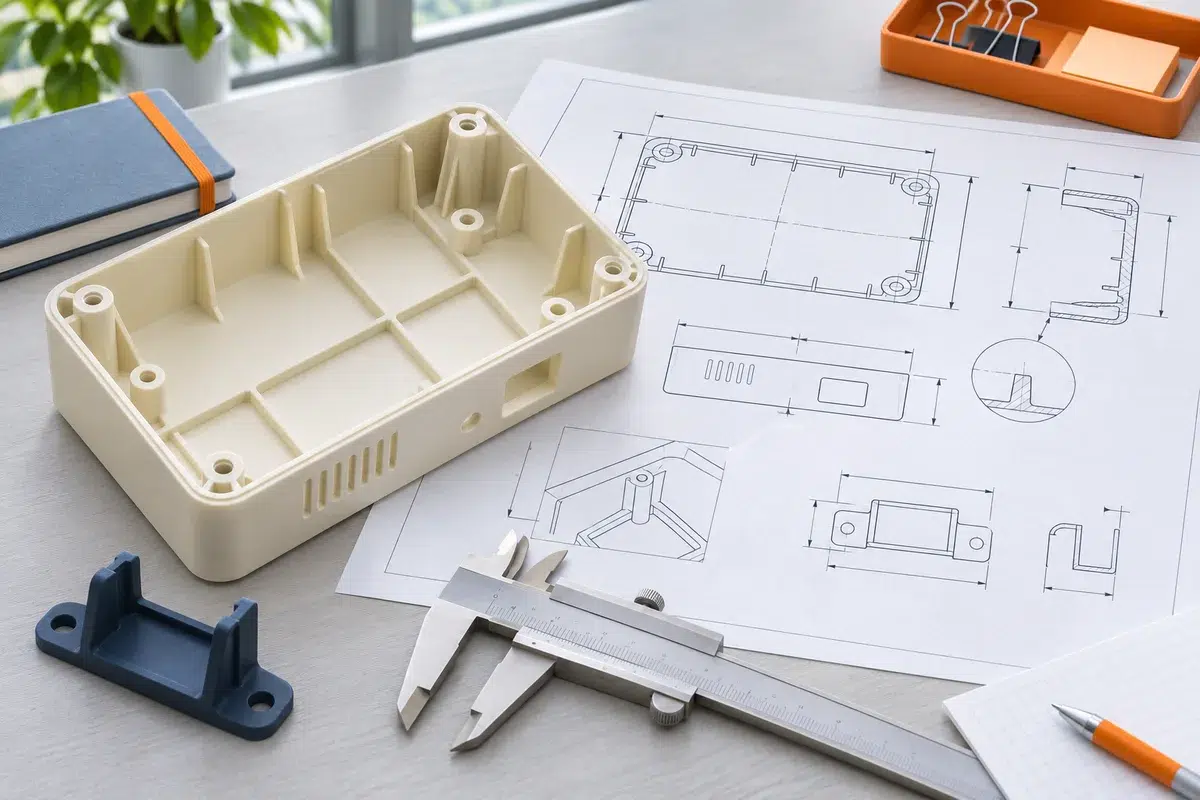
Materials & Project Inputs for Energy & Power Parts
Electrical Requirements
Specify insulation, tracking, flame-related or other applicable requirements using the exact project specification.
Temperature & Environment
Describe heat exposure, humidity, outdoor UV, chemicals and expected operating conditions.
Fit & Mechanical Loads
Mark mounting features, mating parts, fastening loads, seals and critical dimensions.
Material & Acceptance
Define the required grade, drawing revision, sample evaluation and inspection records. Confirm requirements before production.
Application examples help explain design requirements. Final material, tooling and inspection decisions depend on your component specification.

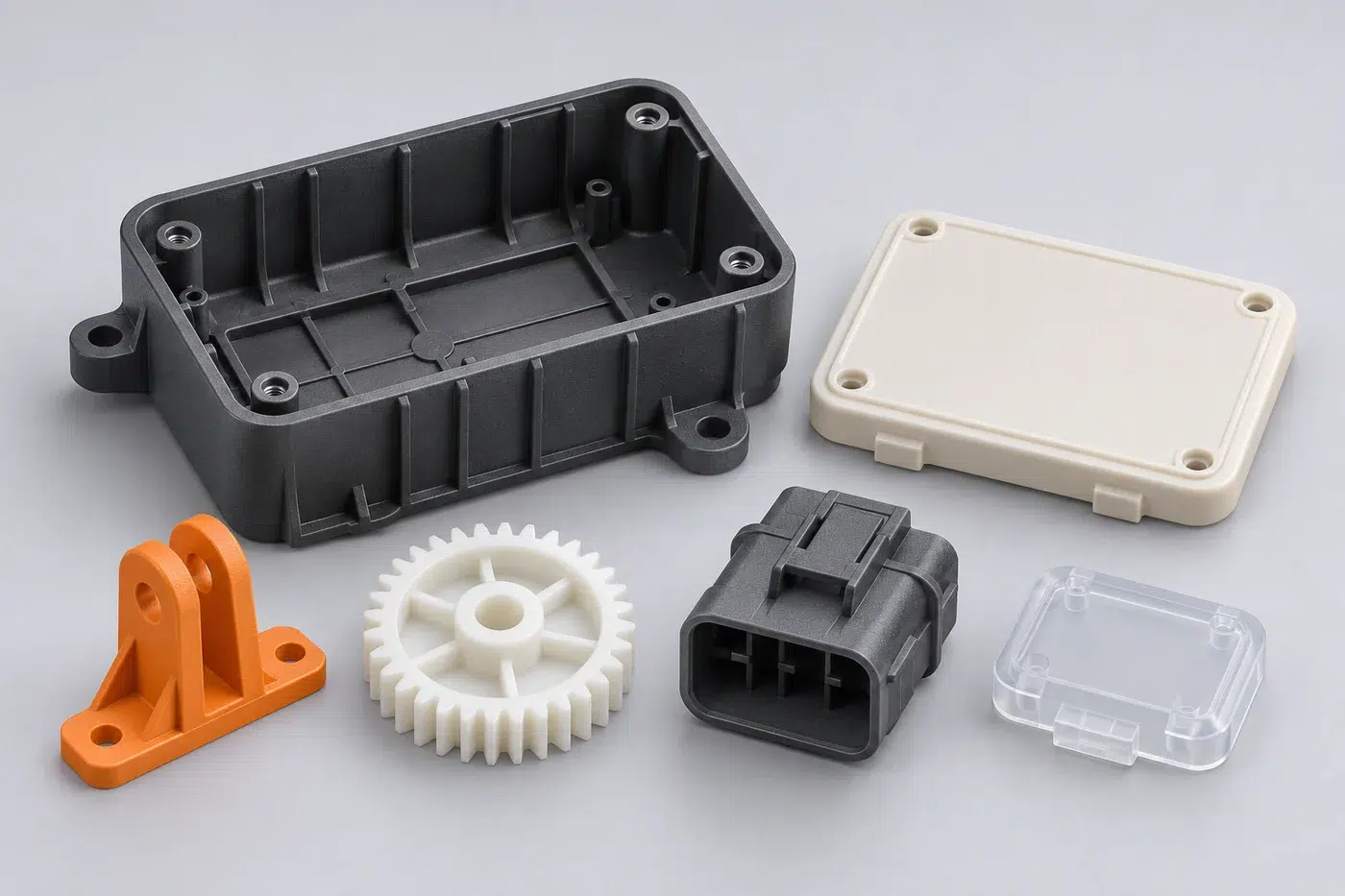
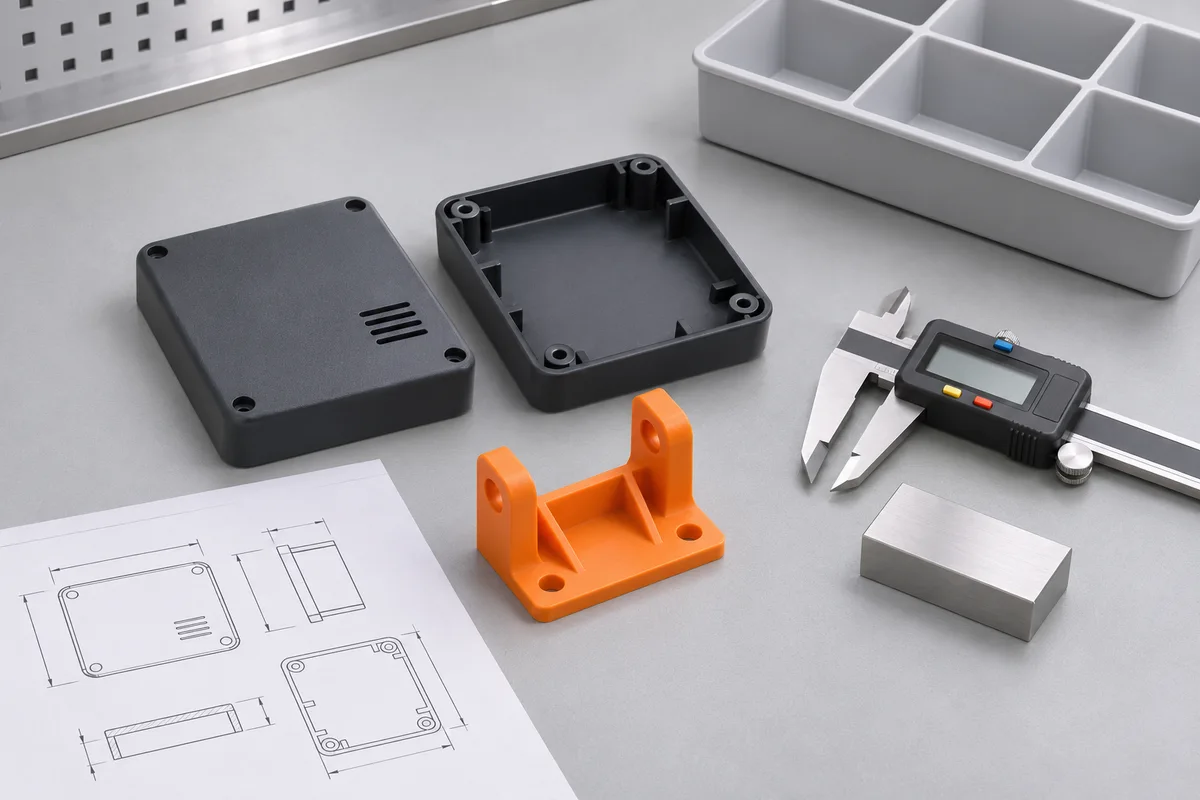
Review the Grade and the Finished Component
Electrical and thermal performance depends on the specific grade and part design. Share the required ratings and operating conditions rather than relying on a general resin description.
Specify critical dimensions, appearance and required inspection records. Agree the sample acceptance process before the production run.
From the Application to the Manufacturing Route
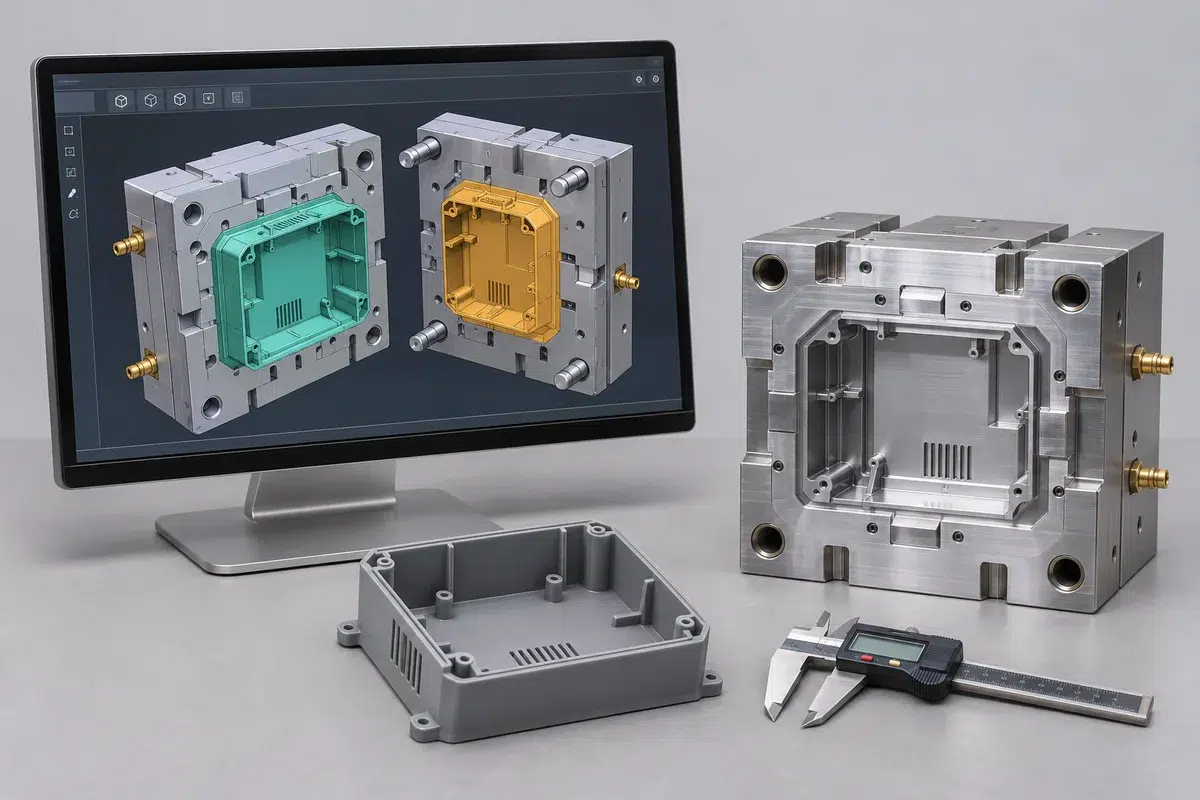
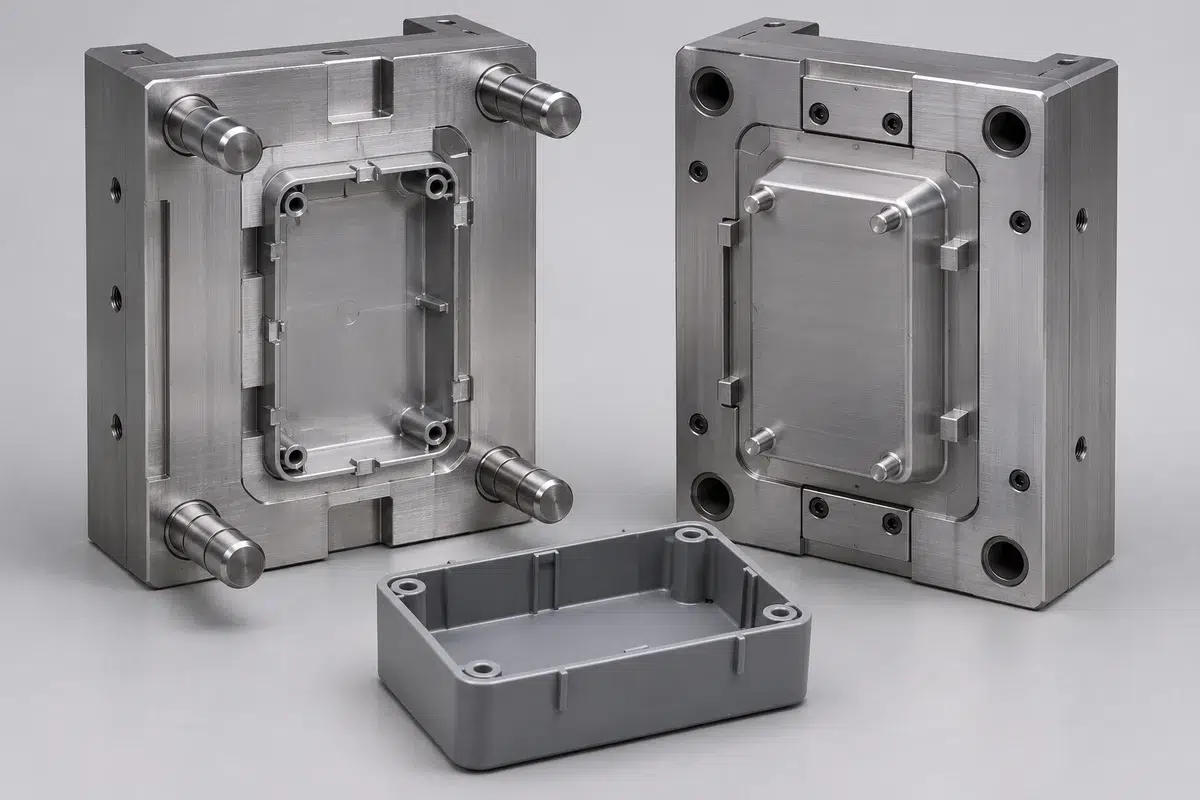
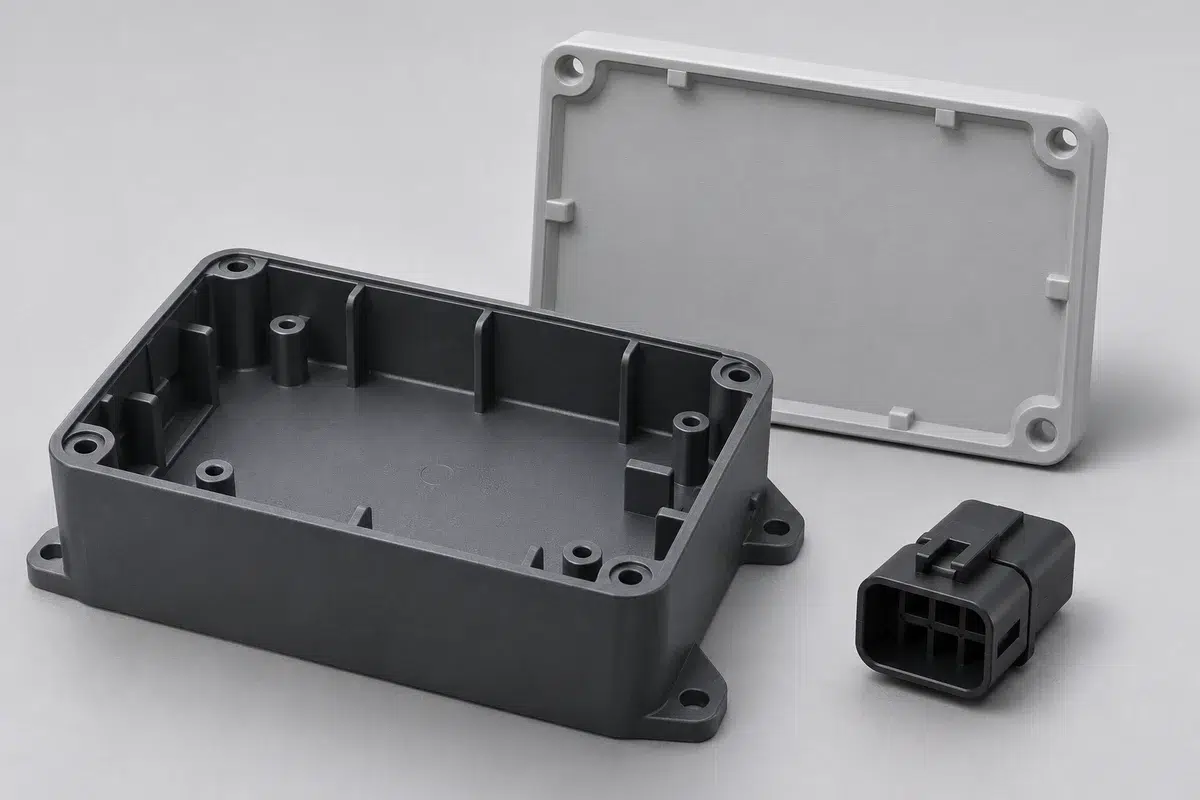
From Your Drawingsto an Agreed Project Plan.
Our engineers review your part requirements, clarify the manufacturing scope, and prepare a quotation for your approval.
- 01
Share Your Requirements
Send 2D drawings or 3D CAD files, target quantity, material and key specifications.
- 02
Engineering Review
We assess part geometry, tooling requirements and manufacturing feasibility.
- 03
Define the Project Scope
Agree on materials, finish, quantities, inspection criteria and delivery requirements.
- 04
Review Your Quotation
Review the technical and commercial details of a quote based on the agreed scope.
- 05
Approve and Get Started
Once the quotation and requirements are approved, we schedule tooling, sampling or production.
Manufacturing starts after quotation approval and confirmation of the project requirements.
Prepare the Requirements Before You Start
Clear drawings and application requirements make the manufacturing review more useful.
Can a material be selected just from its polymer family?
The family name is a starting point. Grade-specific electrical, thermal, mechanical and environmental requirements must be reviewed for the actual component.
What information should I send for a quote?
Provide the model, drawing revision, material requirements, quantities, operating conditions, finish and critical dimensions. Put CAD files in a ZIP archive for the website upload.