Injection Molding Materials & Resin Selection
Choose a resin against the part requirements. Compare material families as a starting point, then confirm the exact grade, manufacturing route and validation needs.
On this pageJump to the information you need
Injection Molding Materials
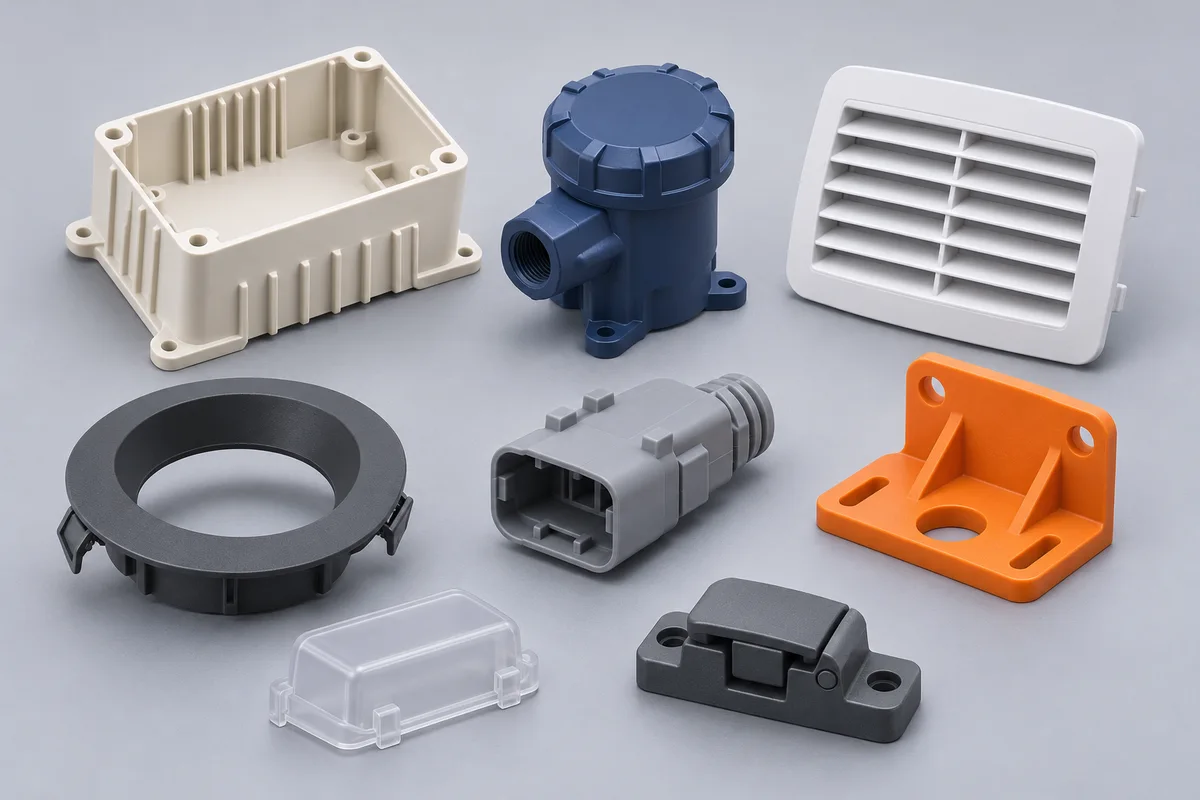
Compare thermoplastic families for molded housings and functional parts. Select the exact grade against the application.
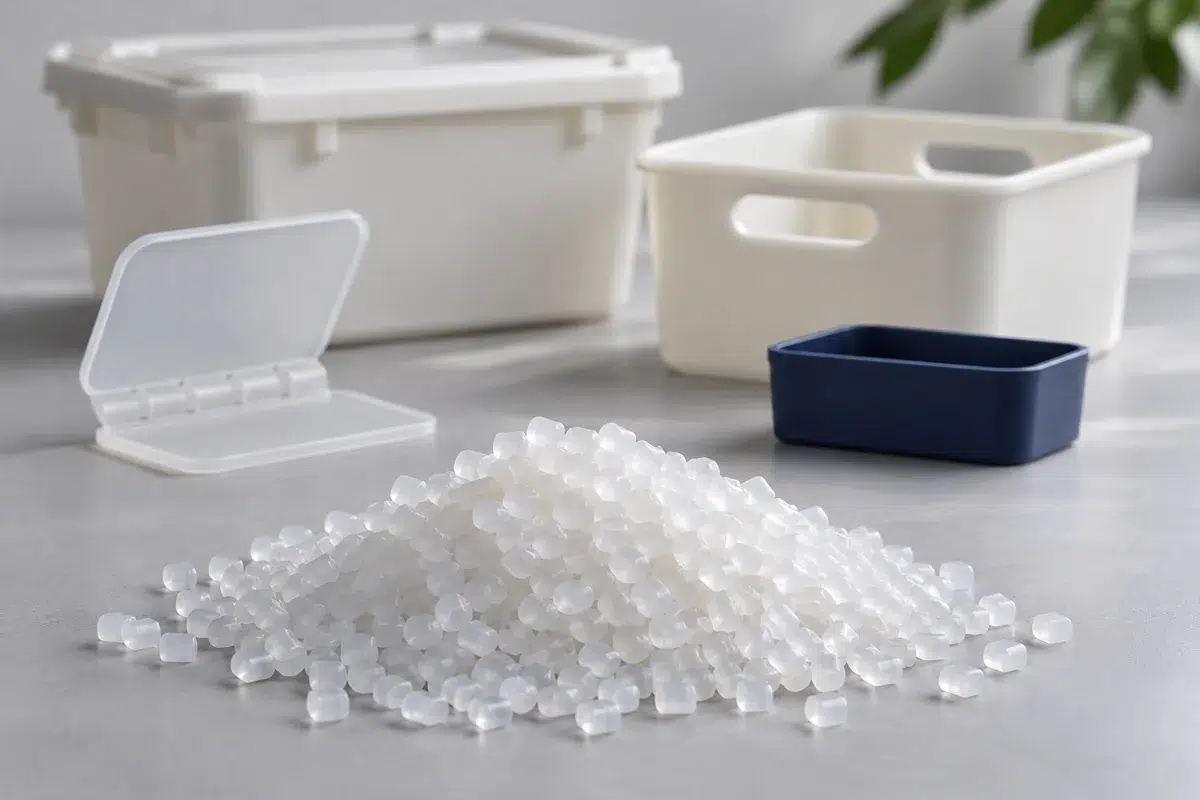
Polypropylene (PP)
Containers, organizers and closures
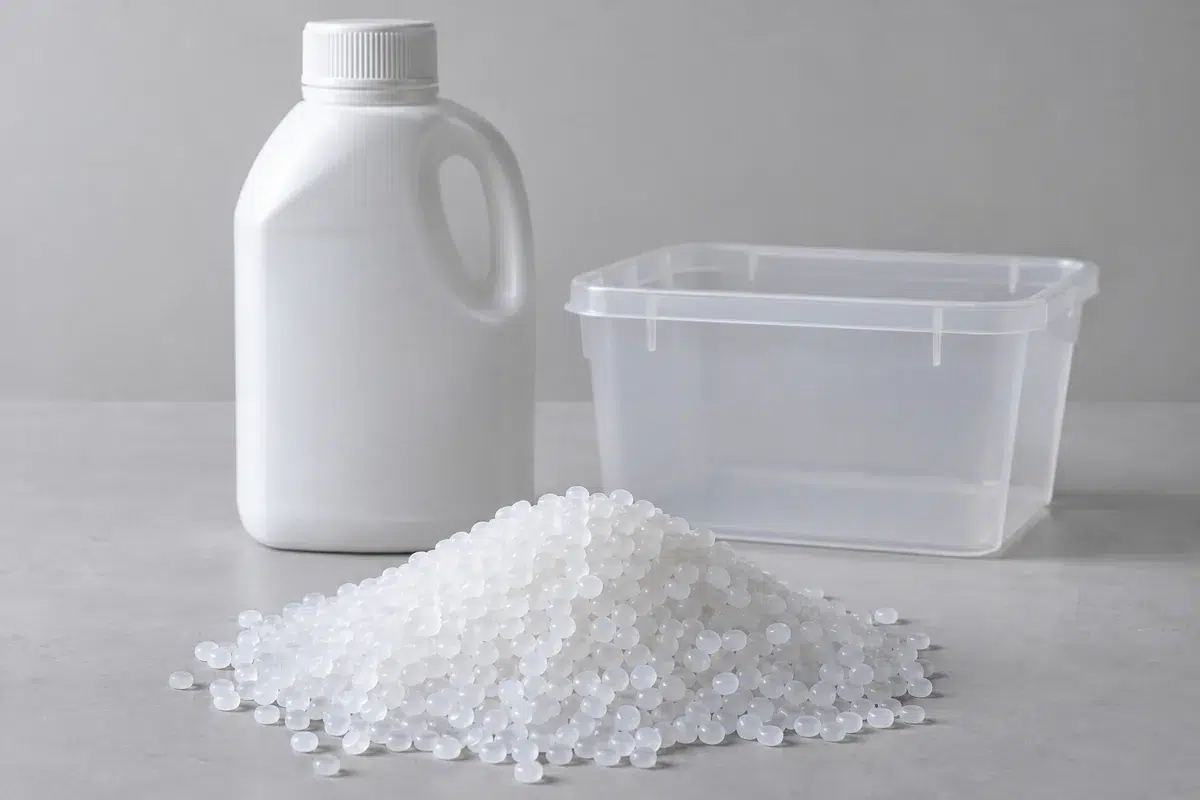
Polyethylene (PE)
Lids, bottles and reusable containers
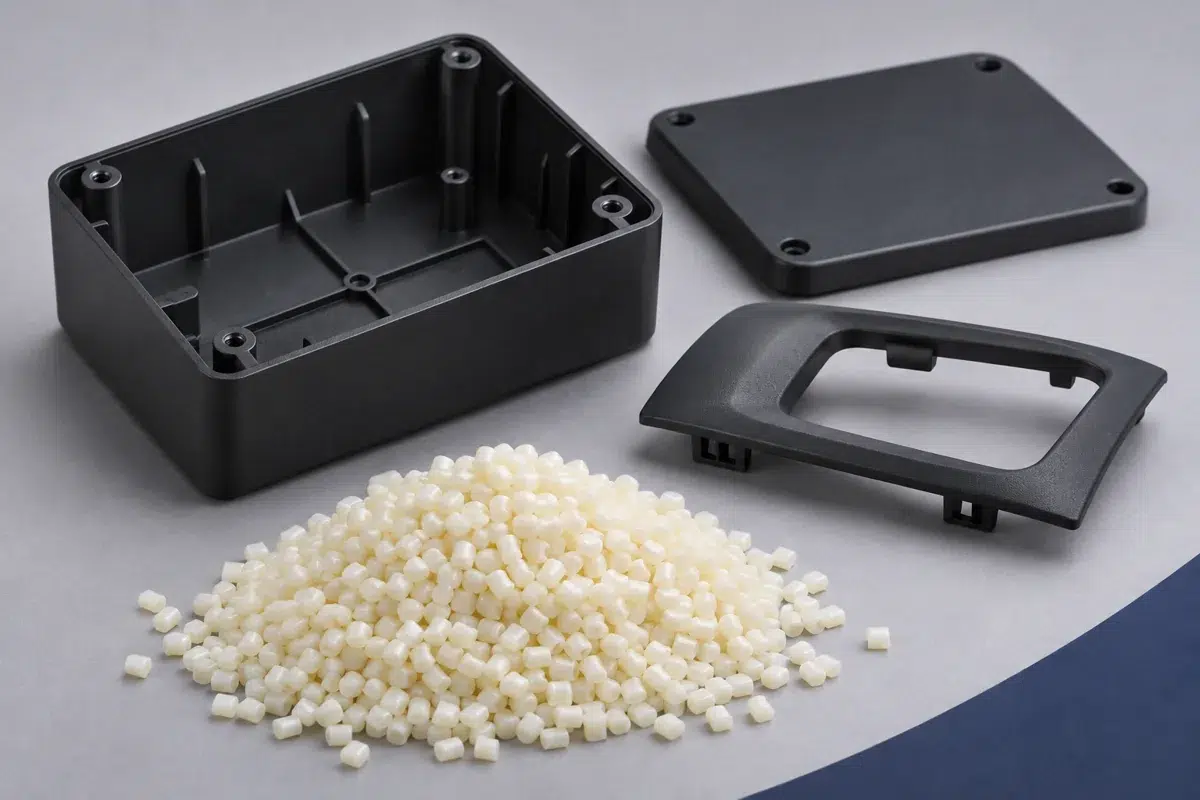
Acrylonitrile Butadiene Styrene (ABS)
Housings, bezels and functional covers
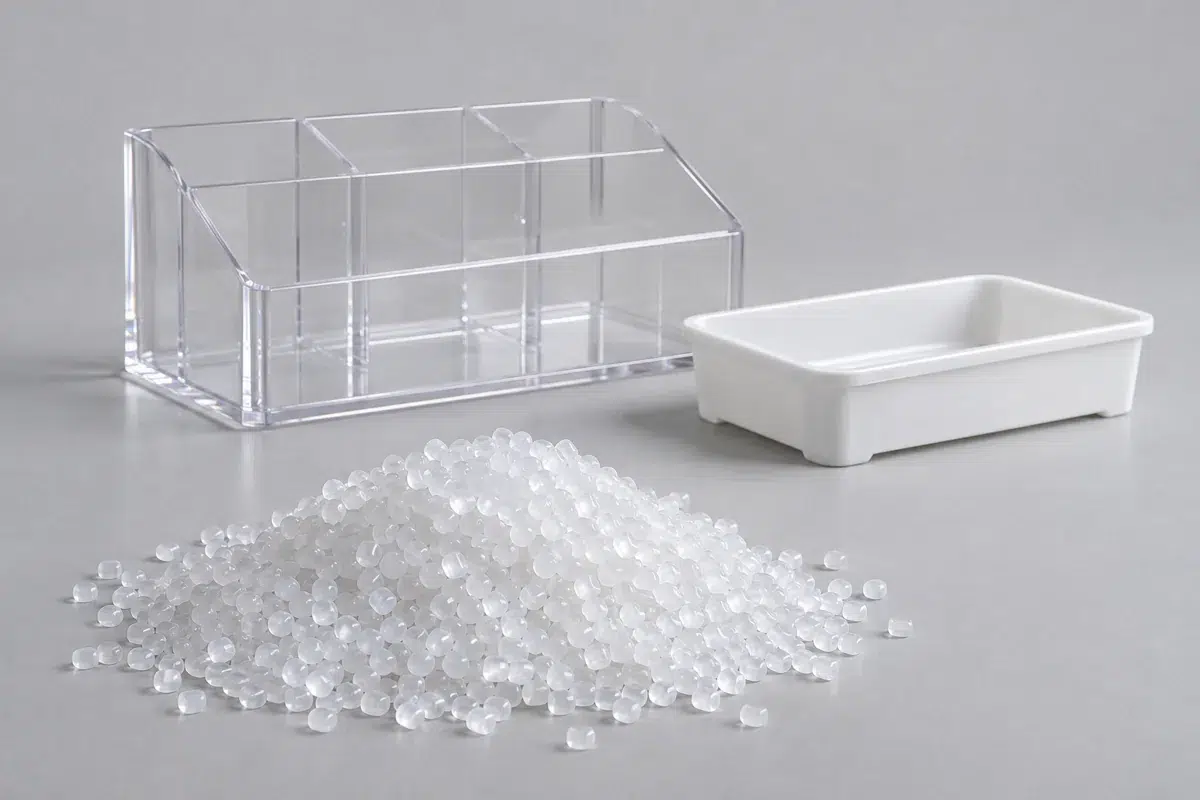
Polystyrene (PS)
Trays, protective inserts and rigid cases
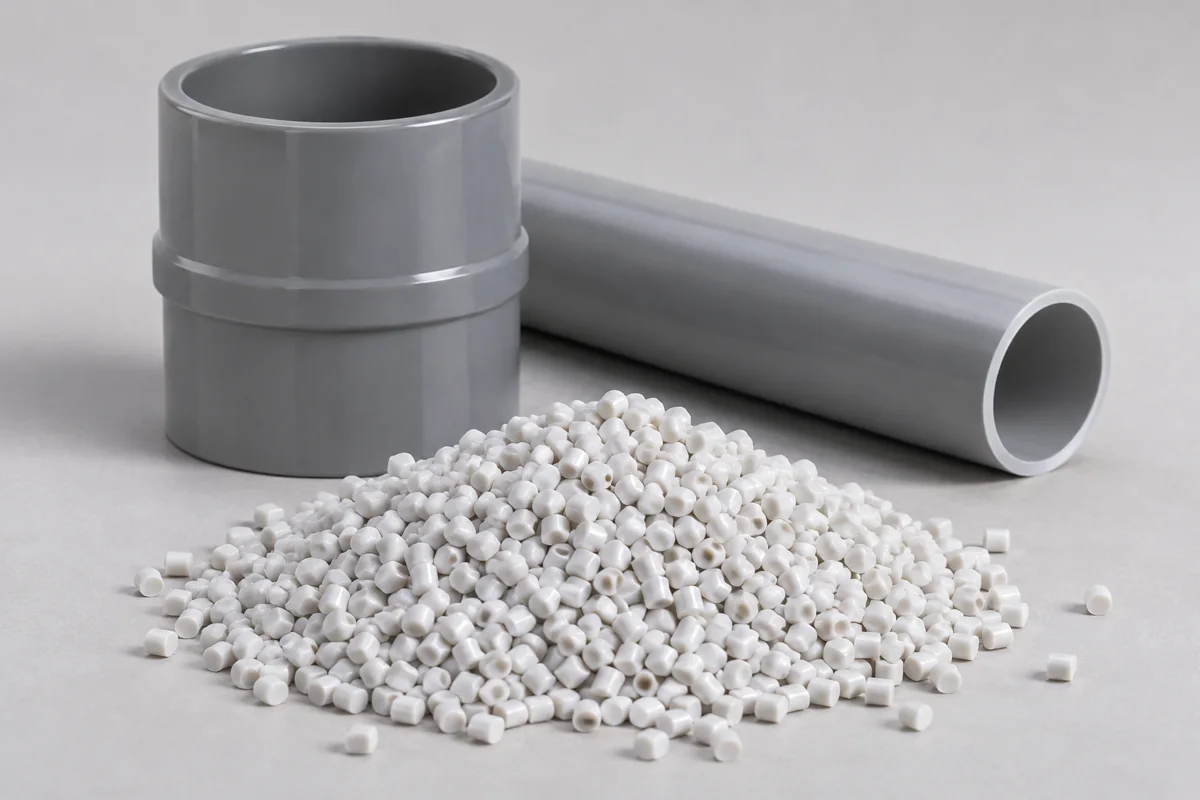
Polyvinyl Chloride (PVC)
Profiles, cable protection and specified fittings
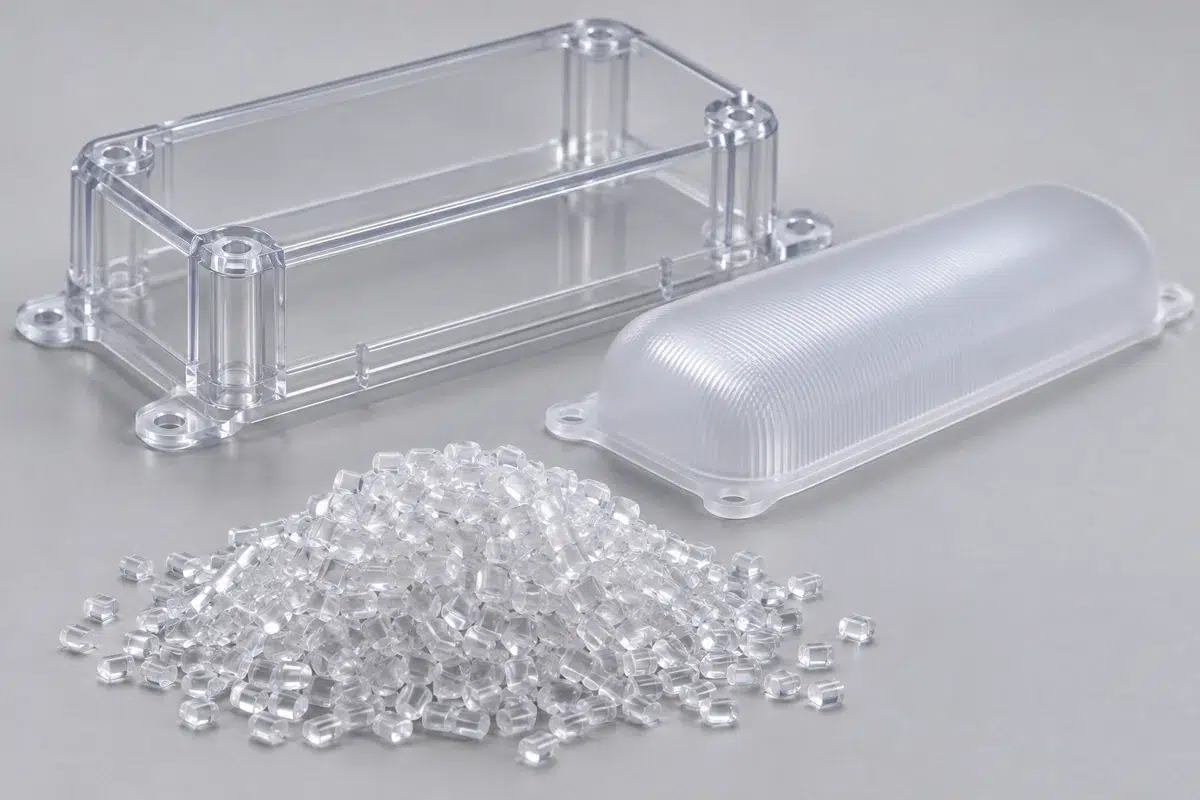
Polycarbonate (PC)
Transparent covers and protective housings
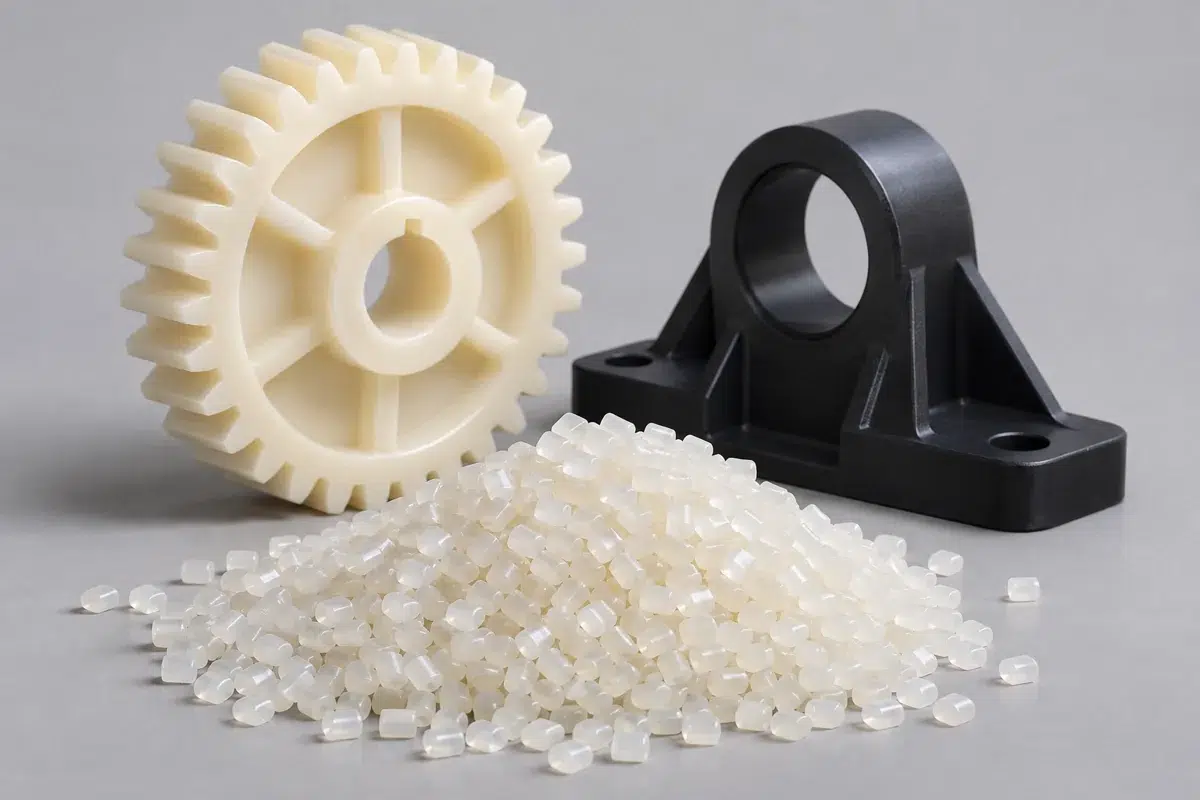
Polyamide / Nylon (PA)
Engineering brackets and mechanical components
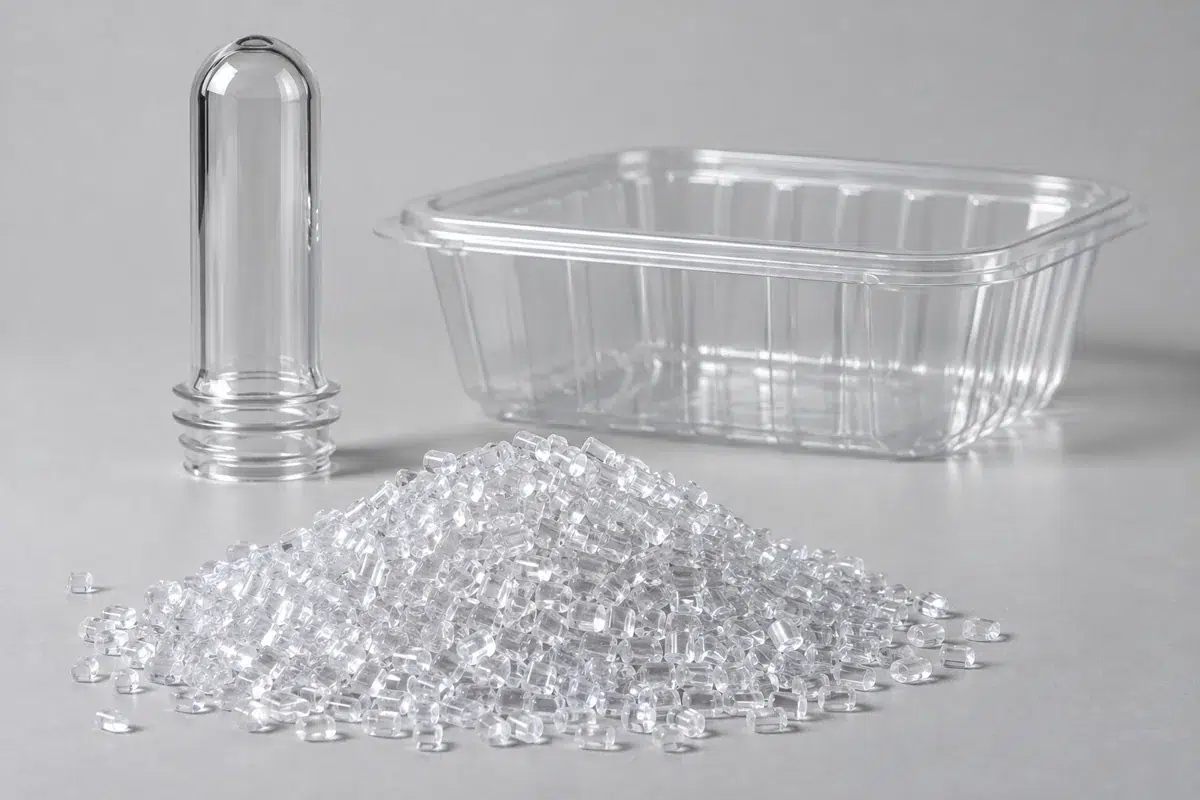
Polyethylene Terephthalate (PET)
Selected packaging and technical components
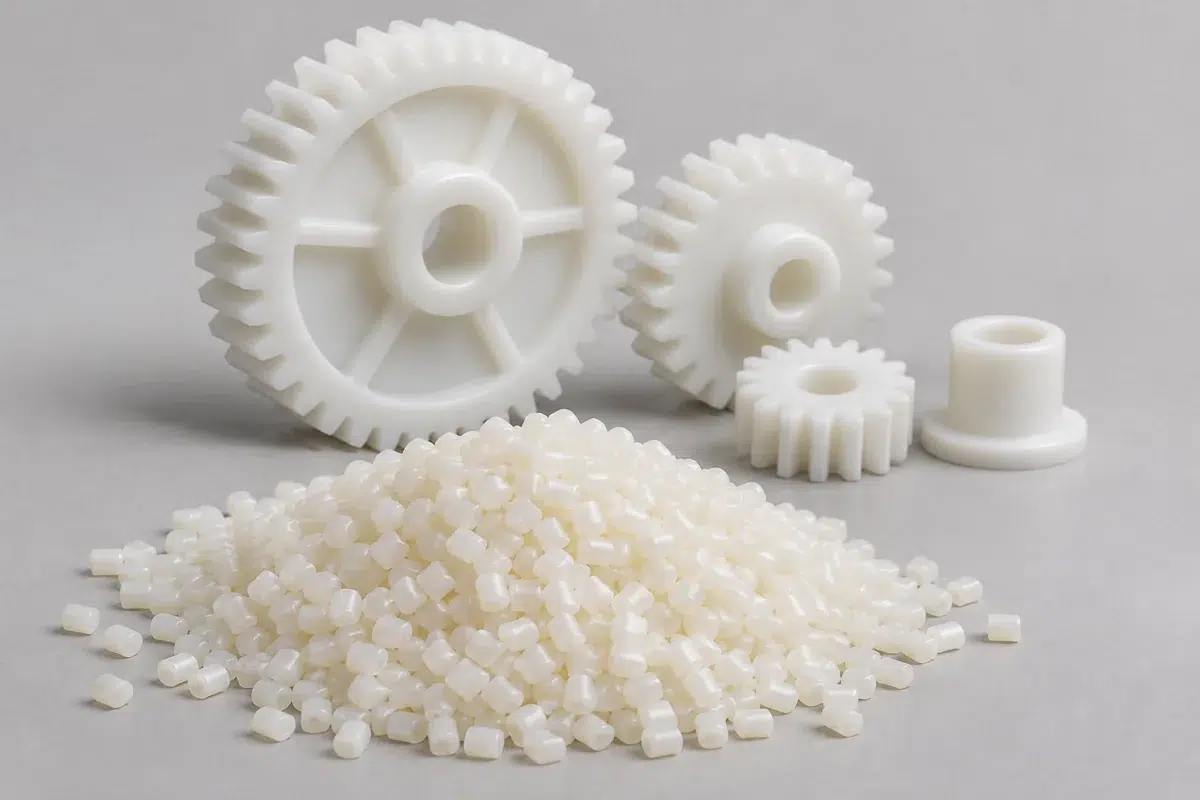
Acetal (POM)
Gears, bushes and precision moving parts
CNC Machining Materials
Compare metal stock for machined components. Machinable plastics can also be discussed against your drawing.

Aluminum
Housings, brackets and machined plates

Steel
Shafts, fixtures and structural components
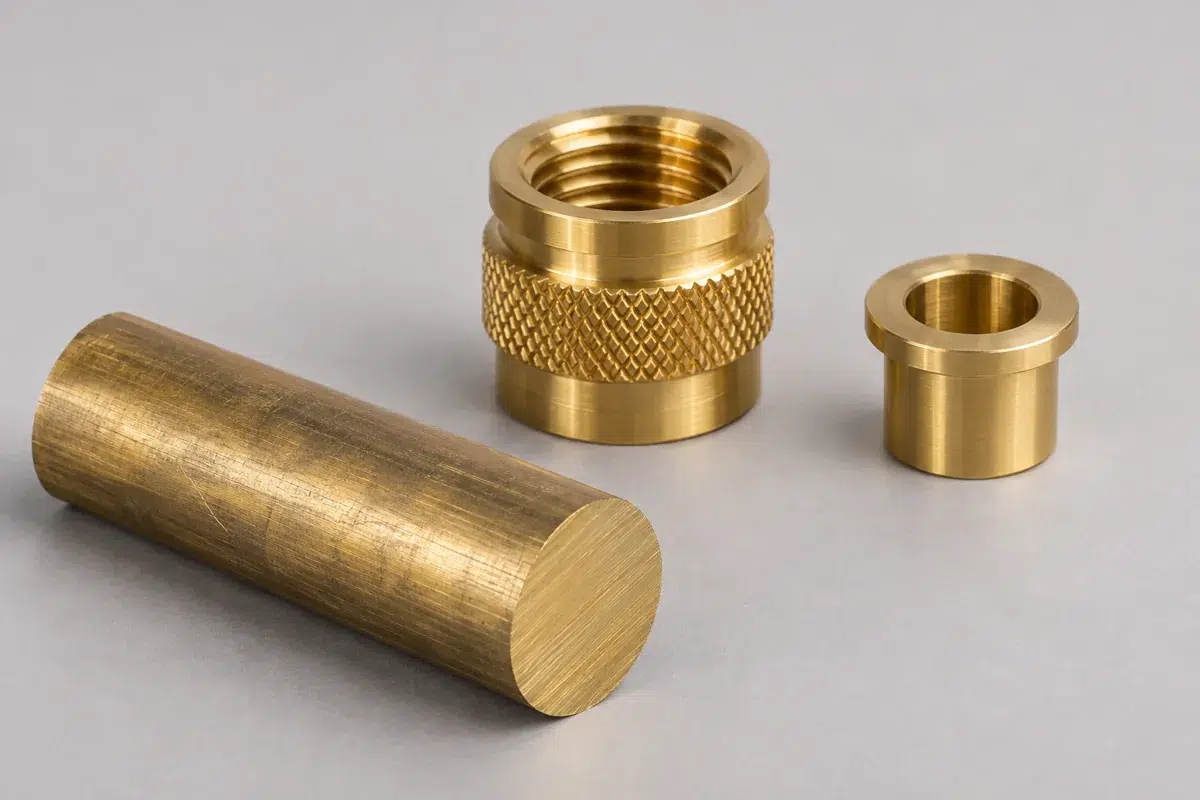
Brass
Threaded inserts, connectors and turned parts
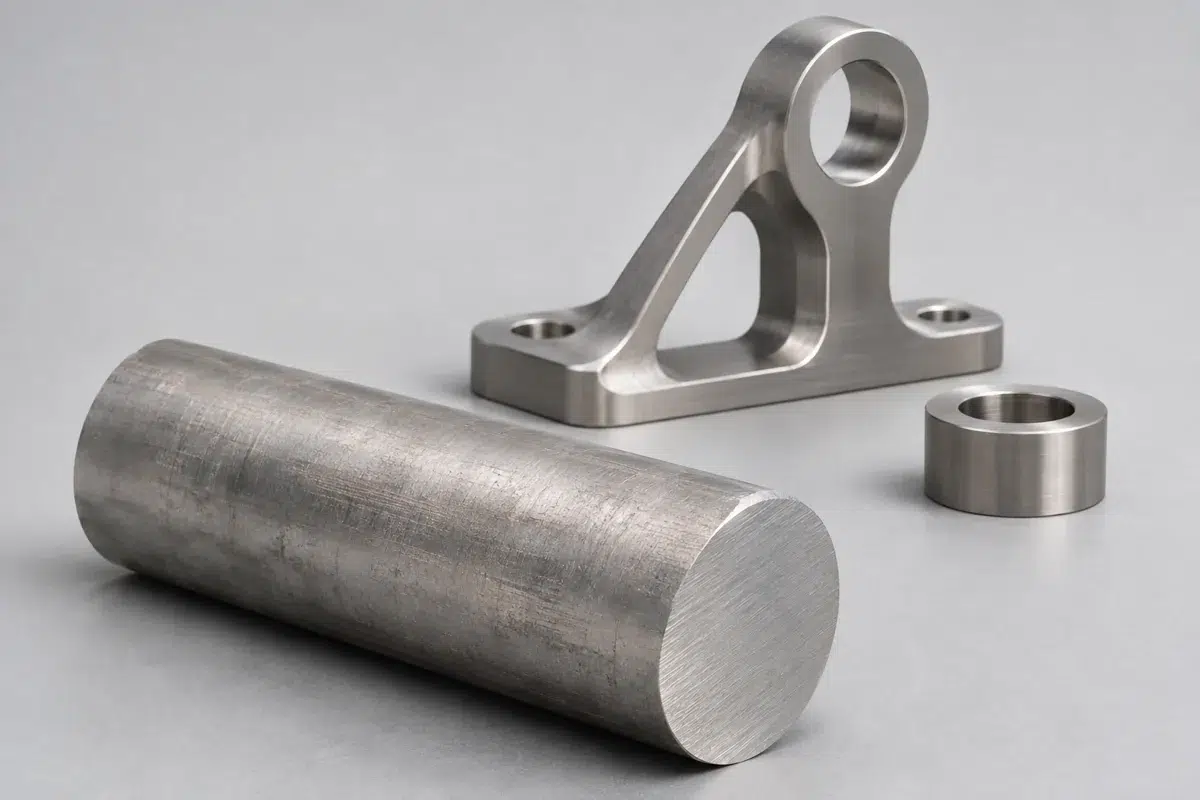
Titanium
Lightweight engineering brackets and components
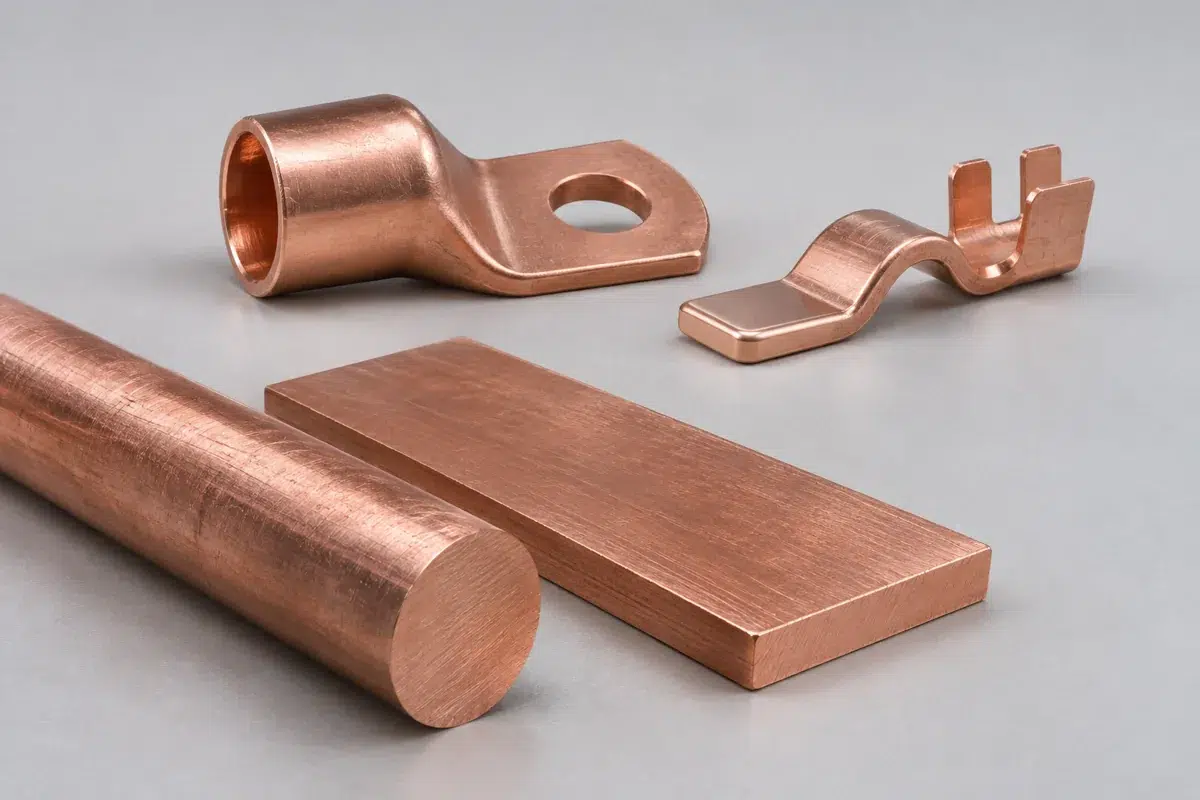
Copper
Electrical and thermal components
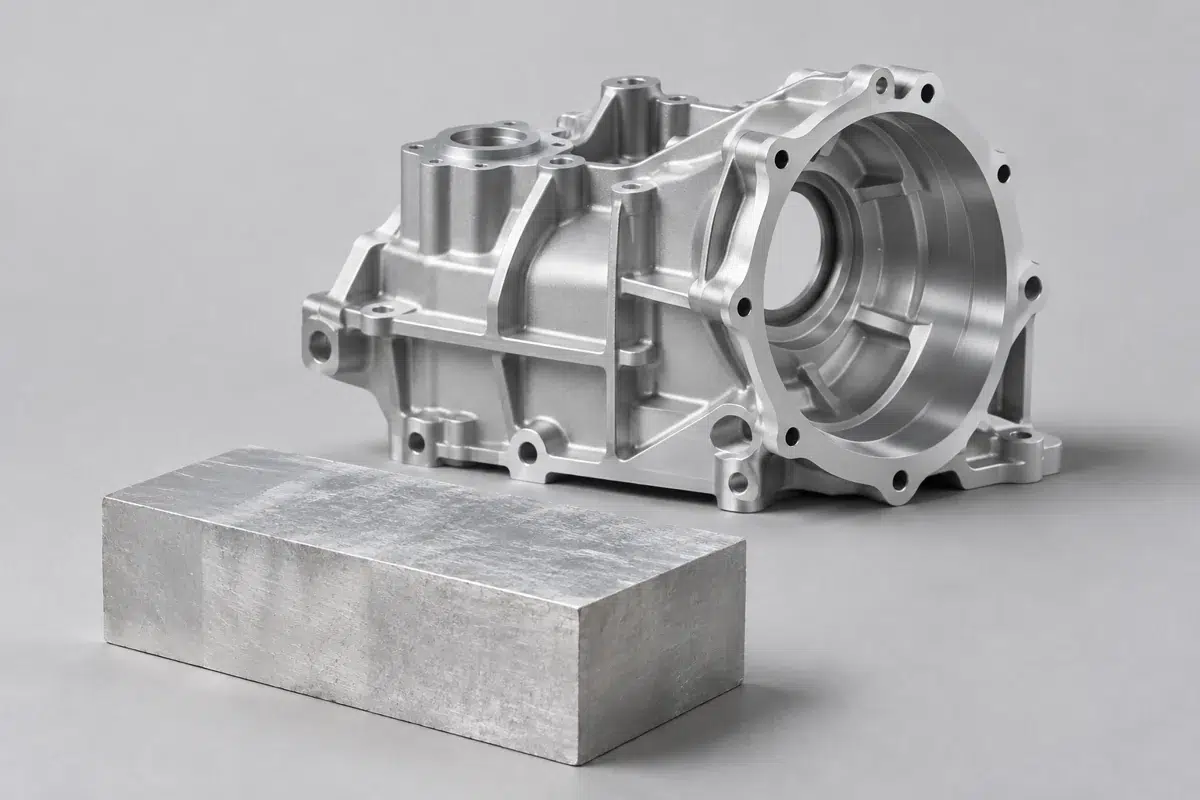
Magnesium
Weight-sensitive housings and components
Start With Performance, Then Narrow the Grade
ABS
Enclosures and general functional plastic parts
Review impact, temperature, appearance and the exact grade.PC / PC-ABS
Housings and components with specific impact or heat requirements
Transparency, electrical requirements and compatibility vary by grade.PP
Covers, containers and flexible features
Review stiffness, hinge geometry, shrinkage and chemical exposure.PE
Covers, protective and household components
Density and formulation affect stiffness, surface behavior and dimensional needs.PA / Nylon
Mechanical components and functional housings
Consider moisture conditioning, dimensions, reinforcement and operating temperature.POM / Acetal
Gears, sliding and precision-fit components
Review friction, loading, tolerance and the application environment.PMMA
Clear covers and appearance-focused parts
Specify optical, impact, surface and weather-exposure requirements.TPE / TPU
Flexible grips, cushioning and overmold features
Hardness, material compatibility and bonding depend on the grade and design.PS / PET / PVC
Other thermoplastic material discussions
Describe the application and exact material specification so suitability can be reviewed.Family descriptions are general planning information, not grade-specific property data or a guarantee of suitability. Final requirements should refer to the selected material's documentation.
What Your Material Brief Should Cover
| Function | Loads, impact, stiffness, flexibility, wear and assembly fit. |
|---|---|
| Environment | Temperature, humidity, chemicals, UV and cleaning exposure. |
| Appearance | Color, transparency, gloss, texture and visible surfaces. |
| Special requirements | State any electrical, flame-related, food-contact or other requirements explicitly. |
| Manufacturing | Part geometry, wall thickness, shrinkage, tooling, finish and expected quantities. |
| Approval | Required grade, permitted alternatives, material documents and finished-part validation. |
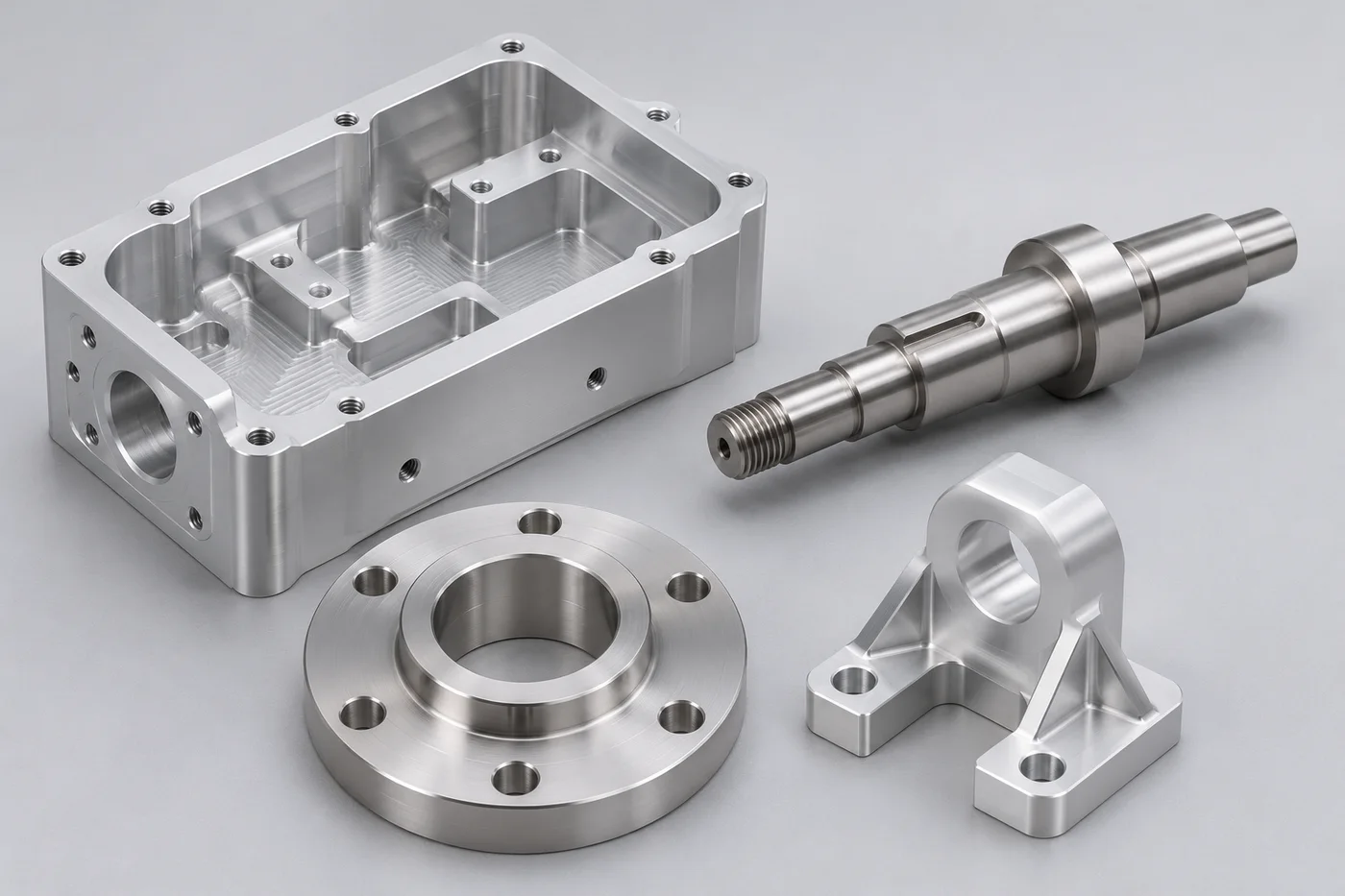
Define the Alloy or Machinable Plastic
Aluminum, steel, stainless steel, brass, copper, titanium and machinable plastics are examples for material discussions. Feasibility depends on the grade, geometry, stock, finishing and inspection requirements.
Connect Material Selection With the Manufacturing Route
| Review item | Information to agree |
|---|---|
| Injection molding resins | ABS, PP, PE, PC, PA and other families offer different design considerations. Compare service conditions before narrowing the grade. |
| Flexible materials | For TPE or TPU interfaces, identify hardness, substrate grade and retention requirements. Material names alone do not establish bonding. |
| Machining stock | For CNC parts, specify alloy or polymer grade, stock condition, finish and drawing tolerances. Machining and molding are different routes. |
| Project specification | Provide heat, moisture, chemical, electrical and appearance requirements. Use grade-specific documentation and agreed tests for final selection. |
Project questions
Can a material family name serve as a production specification?
It is a starting point. Confirm the exact grade, supplier or approved equivalent, color and any application-specific requirements before production.
Should molding resin and CNC stock be compared in the same way?
Compare the finished function, but account for different processing routes, available grades, geometry and inspection requirements.
Prepare the Requirements Before You Start
Can you choose a material from the part application?
Share the operating conditions and required performance so candidate families and grades can be reviewed. Final suitability depends on the actual application and agreed validation.
Does a material name establish regulatory suitability?
No. Requirements depend on the exact grade, use, processing and finished component. Provide the applicable project specification and required documentation.
How to Request a Manufacturing Quote
Send your part data, agree the scope, then review the quotation and sample plan with our team.
Request a Quote →Share Your CAD Files
Provide a 3D model or dimensioned drawing, intended use, material and quantities.
Engineering & DFM Review
Review wall thickness, assembly features, tooling approach and open requirements.
Confirm the Quotation
Agree tooling and part pricing, specifications, quantities and target dates.
Tooling & Trial Samples
After approval, develop the tool and review trial parts against agreed criteria.
Approve Production
Approve samples and confirm the production specification before a repeat run.
Inspection & Delivery
Confirm inspection records, packing and shipping requirements for your order.