Injection Mold Making & Tooling Services
Plan an injection mold around the part, the production requirement and the way the tool will be used. BFY Mold in Shenzhen, China connects mold design, tool manufacturing and trial-sample review. Send your CAD model and tooling requirements to discuss construction, sample acceptance and the quotation scope.
CAD model · Material · Quantity · Critical requirements
On this pageJump to the information you need
Tooling Built Around Production Requirements
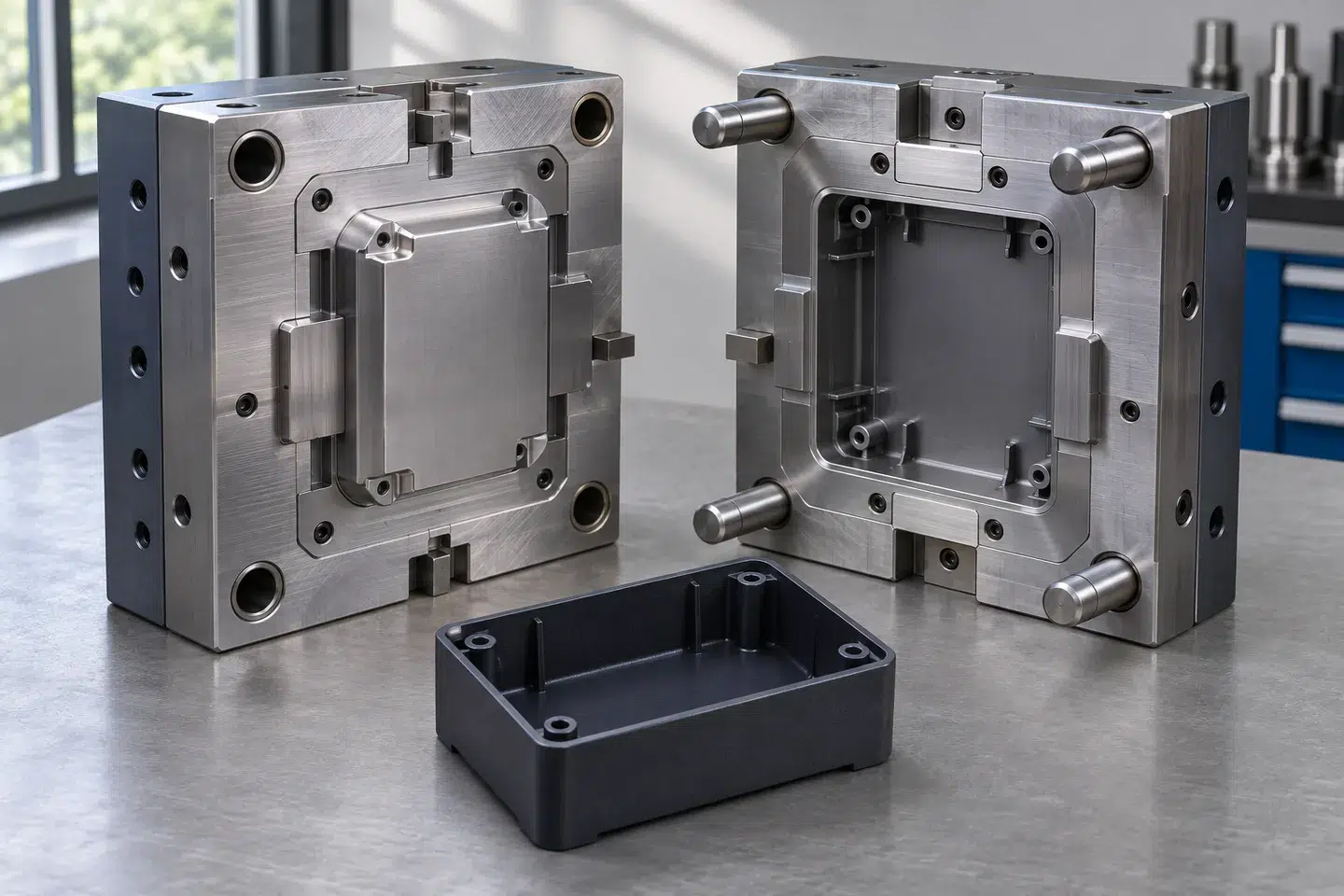
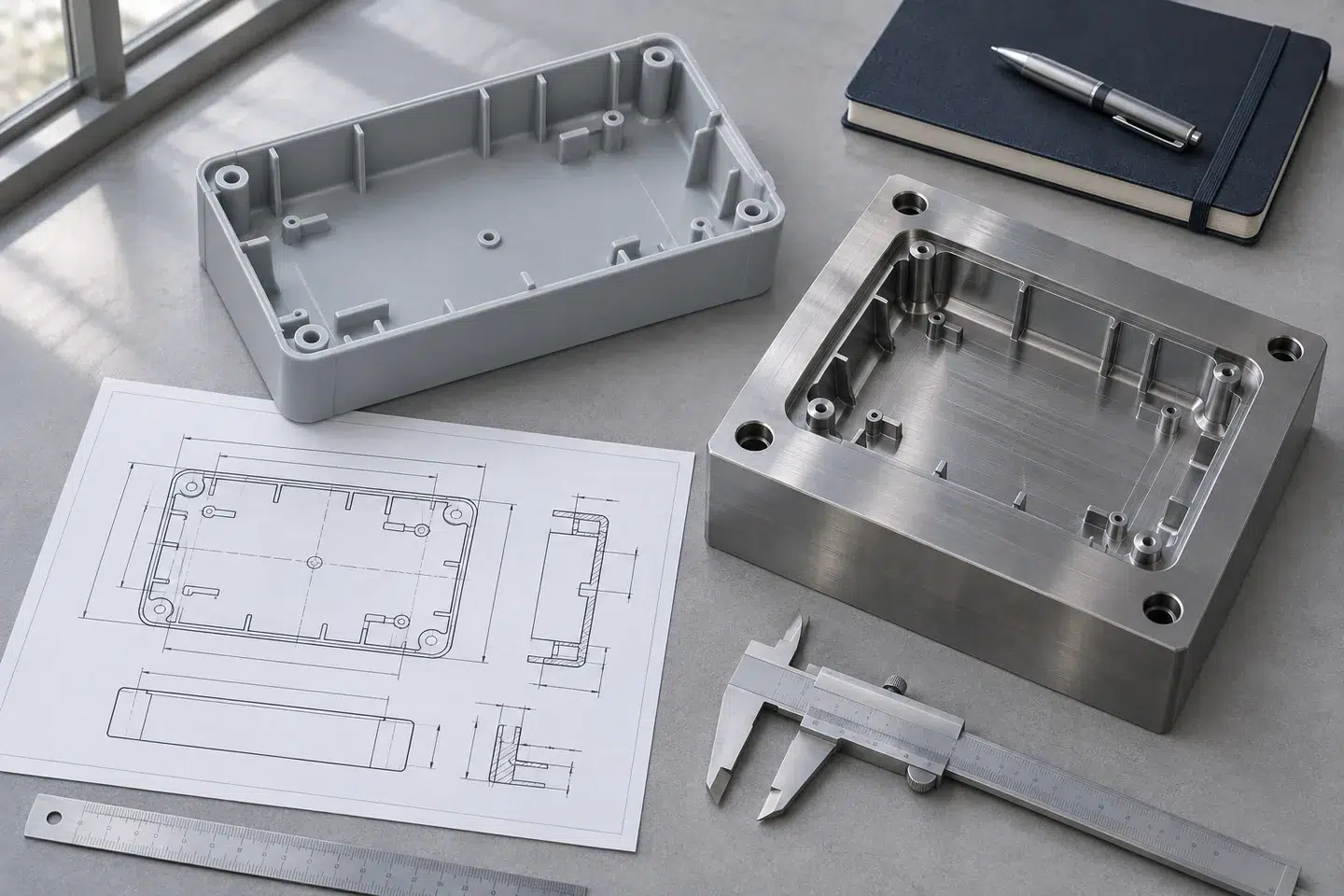
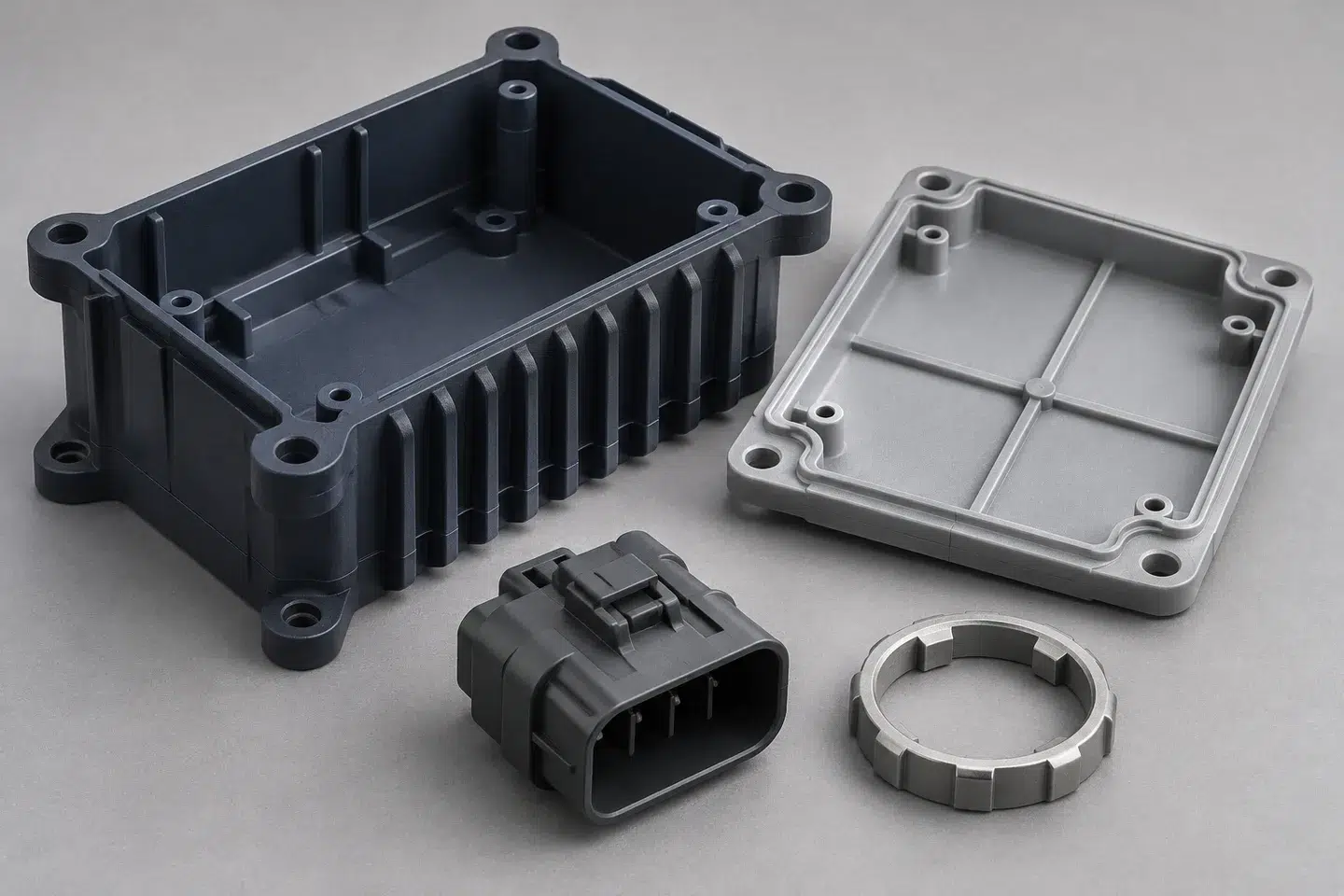
Injection mold making turns an agreed tool design into the core, cavity and supporting mold components. Part geometry, resin, expected production and maintenance requirements guide construction decisions. A useful tooling specification also defines the machine interface, mold ownership, trial conditions and acceptance records. Resolve these details before manufacturing so the mold quotation and sample review use the same requirements.
- Review part geometry, resin shrinkage and cosmetic requirements
- Agree the mold layout, tooling scope and sample acceptance criteria
- Use mold trials and sample feedback to assess readiness for production
Mold Making: Specifications & Project Requirements
| Tooling scope | Design review, mold manufacturing, mold trials and sample review |
|---|---|
| Mold configuration | Single-cavity or multi-cavity layout reviewed against part geometry and volume |
| Tool materials | Select tool steel and component requirements to suit the resin, wear needs and production plan |
| Runner system | Review hot-runner or cold-runner options, gate locations and material usage |
| Trial requirements | Confirm intended resin, sample quantity and measurement criteria before trials |
| Production connection | In-house injection molding with 11 machines from 150–500T, subject to mold compatibility |
Final feasibility, tolerances, quantities and timing are confirmed after review of your drawings and requirements.
Make the Tooling Specification Clear
Two mold quotations can describe very different tools. Define the intended production conditions, mold interfaces and acceptance requirements so cost, maintenance and production expectations can be reviewed together.
Part Requirements
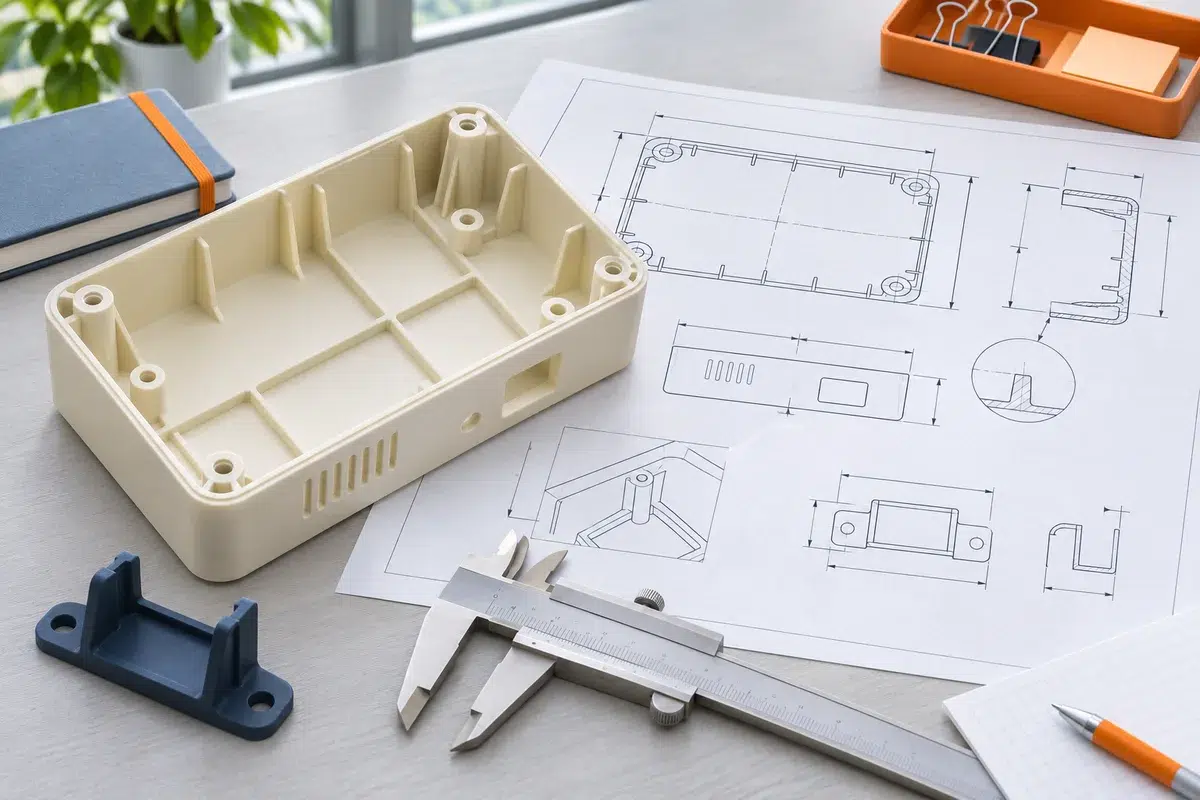
Provide 3D CAD and 2D drawings with tolerances, resin grade, visible surfaces and anticipated design changes.
Production Requirements
Share expected demand, cavity preferences and the intended molding machine details if the mold will be used elsewhere.
Trial & Acceptance
Agree how trial parts will be measured, what inspection documentation is needed and how modifications will be reviewed.
Technical Review and Production Stages
Review the requirements at each stage, from engineering and tooling to samples, production checks and delivery.
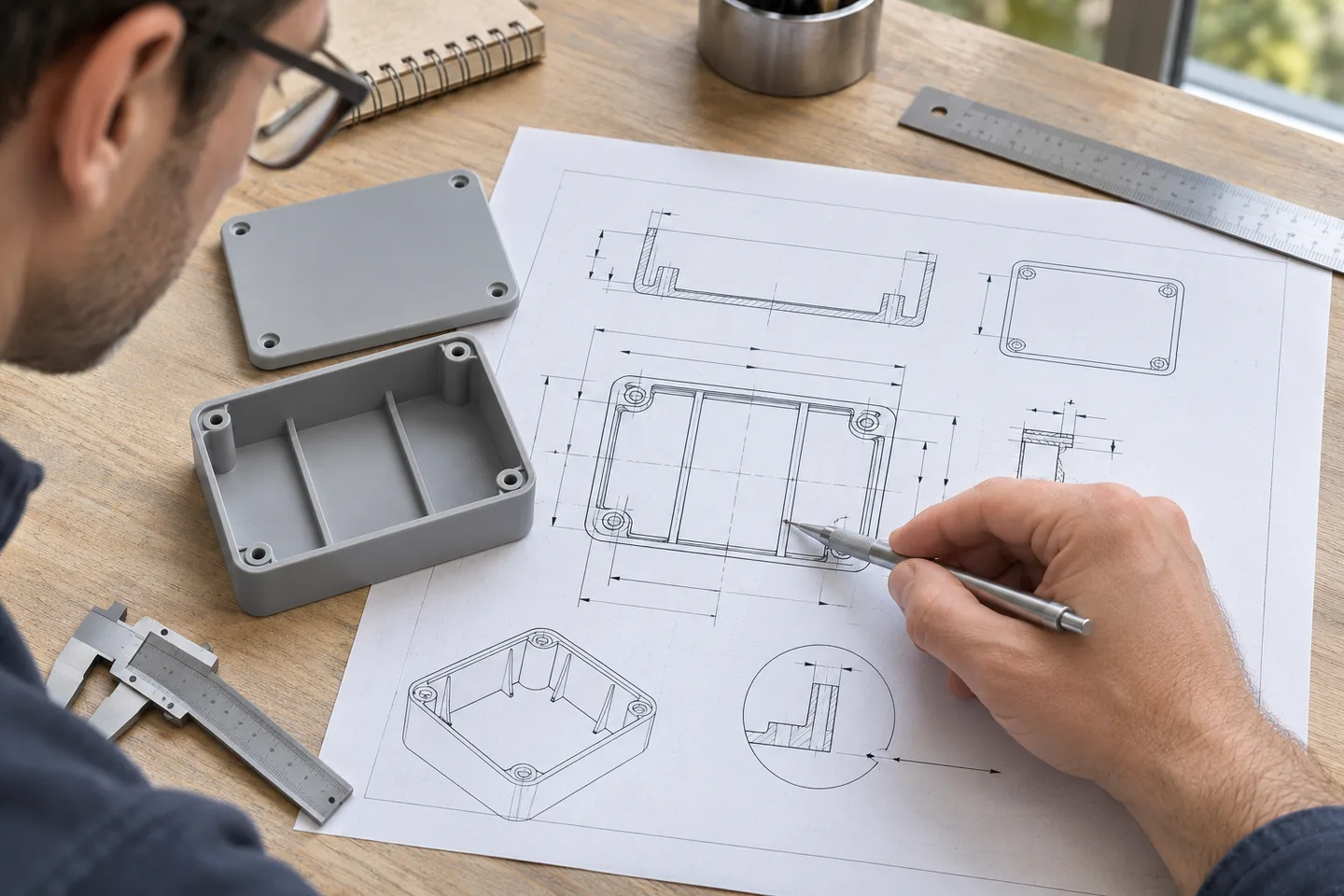
Review the Part Before Choosing the Process
- Project inputs3D CAD, drawing revision, mating components and visible surfaces.
- Review prioritiesPart geometry, assembly, material and expected production quantities.
- Agreed next stepClarify open requirements and confirm the quotation scope.
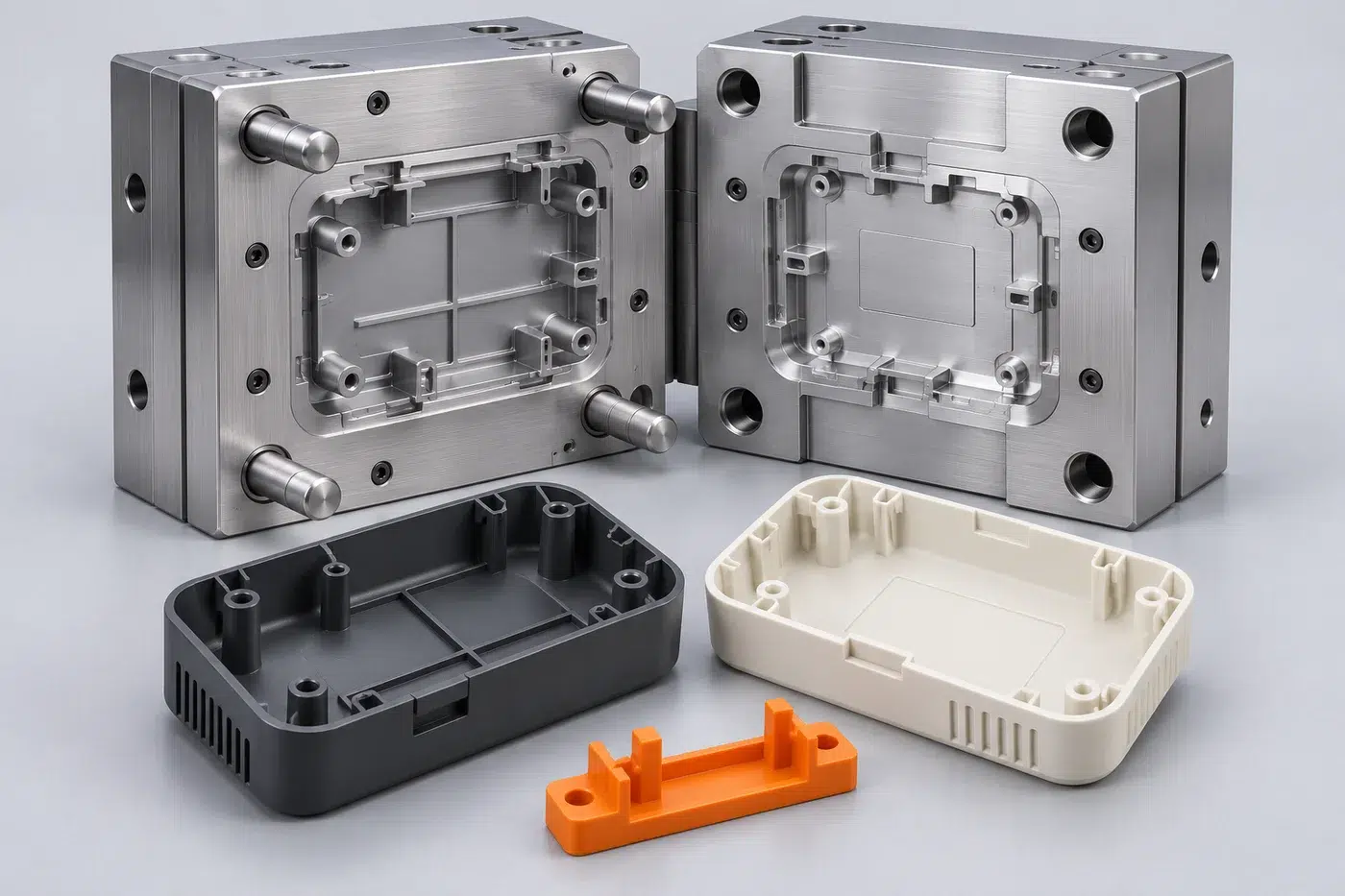
Connect Mold Design, Manufacturing and Trials
- Technical scopeReview cavity layout, parting lines, gates, cooling and ejection.
- Approval criteriaAgree drawing requirements, sample checks and the review process.
- Project planConfirm the work scope and milestones before manufacturing.

Manufacture Against the Agreed Specification
- Approved referenceConfirm the drawing revision, material and agreed sample or specification.
- Process requirementsIdentify critical features, appearance and the checks required for the project.
- Change controlDiscuss changes to the drawing, material or requirements before proceeding.
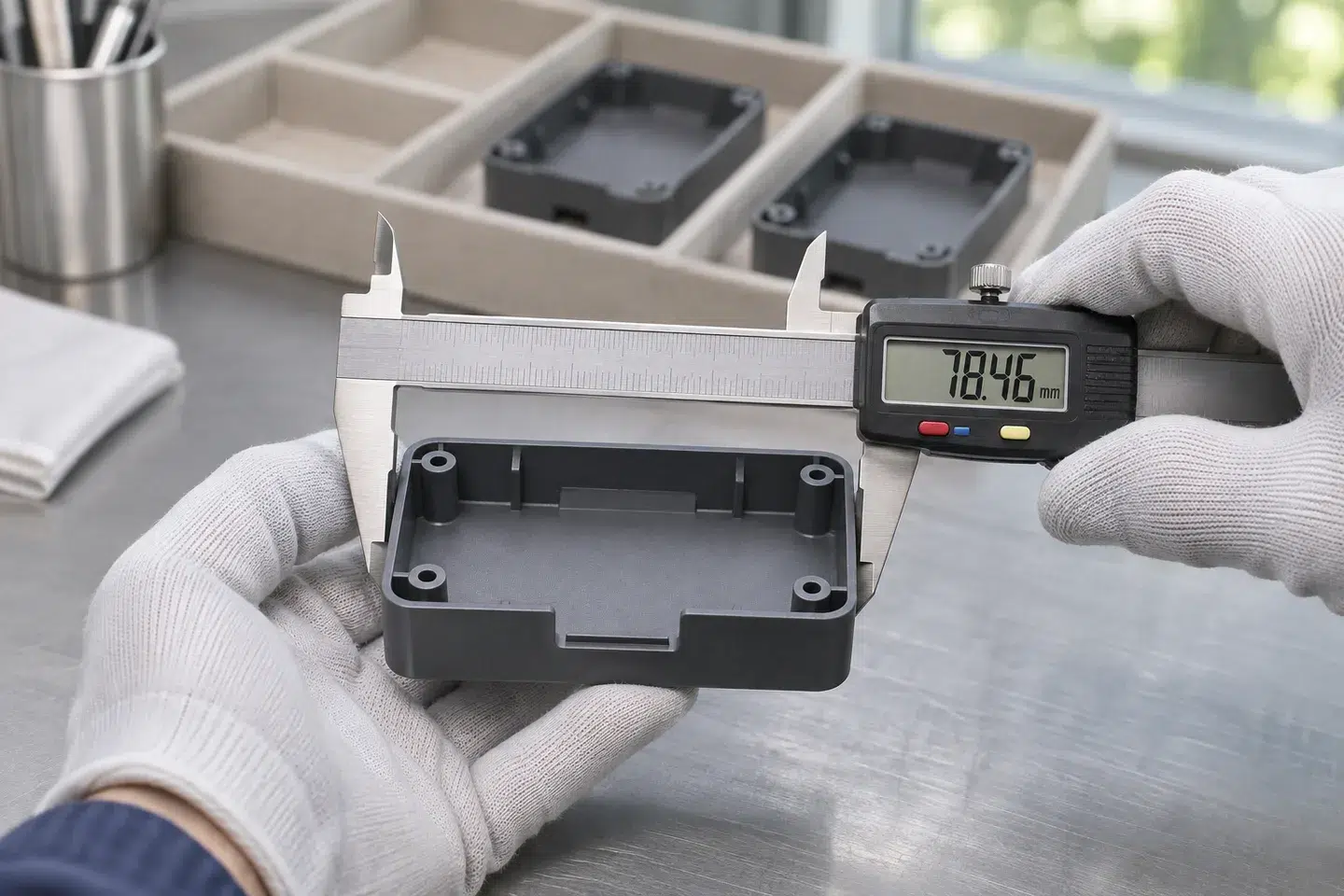
Keep Acceptance and Delivery Requirements Clear
- InspectionDefine the critical dimensions, appearance checks and required records.
- PackagingAgree protection, quantities and handling requirements for shipment.
- Repeat productionKeep drawing revisions and approved requirements clear for later orders.
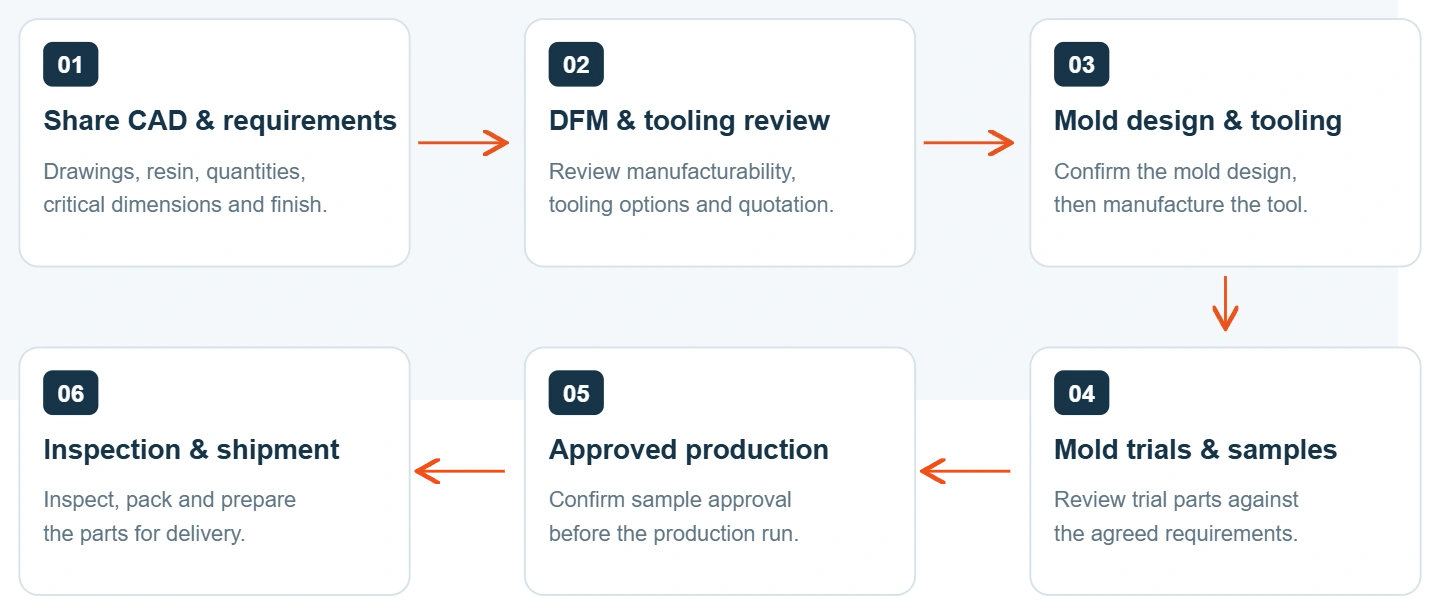
Connect Design, Tooling and Production
Agree requirements early, review tooling and samples, then confirm the approved production and inspection plan for your project.
Define What Your Injection Mold Must Deliver
Mold Construction and Steel
Discuss cavity count, core and cavity steel, runner strategy, slides or lifters, cooling and ejection. Steel selection depends on the resin, expected wear, finish and production plan; a grade name alone does not determine tool life.
Machine and Tooling Interfaces
Specify the intended molding machine and mold interfaces, especially if the tool will run at another factory. Confirm relevant dimensions, connections, handling requirements and the agreed documentation before tool manufacture.
Trials and Tool Acceptance
Agree the trial material, critical part dimensions, appearance checks and sample quantities. Define the inspection records, open-issue process and acceptance criteria before approving the tool or production samples.
Specify the Tool Before Approving Manufacture
| Review item | Information to agree |
|---|---|
| Cavities and construction | Compare single-cavity and multi-cavity layouts against demand, geometry and machine requirements. Confirm the proposed construction in the quotation. |
| Steel specification | Review the exact resin, fillers, surface finish and wear or corrosion conditions. Specify grade and treatment without assuming a guaranteed tool life. |
| Trials and acceptance | Agree trial material, drawing revision, measurement conditions and open-issue handling. Use approved samples and records to define tool acceptance. |
| Documentation and handover | Discuss tool identification, drawings, maintenance information, interfaces and commercial ownership terms. Any transfer or reuse requires a separate feasibility review. |
Project questions
Does a steel grade determine the mold's service life?
No. Resin, fillers, construction, processing and maintenance affect wear. Any life requirement needs project-specific conditions and an agreed acceptance basis.
What should be agreed before a mold is handed over?
Confirm ownership terms, the approved tool configuration, records, machine interfaces and outstanding issues. Do not assume transfer compatibility or included documents.
Injection Mold Making & Tooling Services FAQs
What is included in a mold-making quotation?
The quotation should identify the tool construction, cavity strategy, steel specification, trials and agreed deliverables. Part production, spare components, transport and other items should be identified separately where applicable. Send the requirements through our tooling quotation page.
How do I choose the mold steel?
Review the exact resin, fillers, corrosion and wear considerations, surface finish and expected production. Discuss the required grade and treatment in the tooling specification rather than selecting steel by price alone.
Should I use a single-cavity or multi-cavity mold?
Expected demand, part geometry, machine requirements and investment affect the choice. Review cavity balance, inspection and production requirements before selecting a layout; there is no single layout suited to every project.
Can mold design be reviewed before manufacturing?
Our injection mold design and DFM review connects the part geometry with gates, cooling, ejection and other tooling decisions. Agree the review scope and design approval process before machining.
How are trial samples and mold acceptance agreed?
Use the approved drawing, resin specification, critical dimensions and cosmetic criteria as the basis for trials. Confirm measurement conditions, sample records and how remaining issues will be resolved before acceptance.
What should I provide for a tooling quote?
Send 3D CAD, a dimensioned drawing, resin and finish requirements, expected production quantities and target dates. Identify any tool standards or machine interfaces and whether injection molding production is part of the request.
Agree the Tool-Acceptance and Handover Package
Separate accepted trial parts from acceptance of the complete tool and its documentation. Identify the mold configuration, supplied components, released drawings, agreed inspection records and outstanding issues. Confirm the deliverables and release conditions in the quotation scope; no transfer compatibility or unconfirmed service is assumed.
Prepare the mold ownership and tooling handover checklist, connect the evidence to the trial and sample approval decision, and return unresolved geometry or tool-layout questions to the mold design review.
How to Request a Manufacturing Quote
Send your part data, agree the scope, then review the quotation and sample plan with our team.
Request a Quote →Share Your CAD Files
Provide a 3D model or dimensioned drawing, intended use, material and quantities.
Engineering & DFM Review
Review wall thickness, assembly features, tooling approach and open requirements.
Confirm the Quotation
Agree tooling and part pricing, specifications, quantities and target dates.
Tooling & Trial Samples
After approval, develop the tool and review trial parts against agreed criteria.
Approve Production
Approve samples and confirm the production specification before a repeat run.
Inspection & Delivery
Confirm inspection records, packing and shipping requirements for your order.

Discuss Your Mold Project
Tell us the material, quantity, critical dimensions, finish and target schedule. Add your drawing or model so we can review the manufacturing requirements.
Attach PDF, JPG, PNG or ZIP files, up to 50 MB per file. Put STEP/STP, IGES or X_T CAD files in a ZIP archive. You can also email info@bfymold.com.