Custom Overmolding Services
Review the substrate, added material and finished-part function together before choosing an overmolding route. BFY Mold evaluates grip, protection and other functional surface requirements against your drawing and assembly. Share the material specifications and expected quantities to discuss tooling, sample checks and quotation scope.
CAD model · Material · Quantity · Critical requirements
On this pageJump to the information you need
Design the Material Interface for the Application
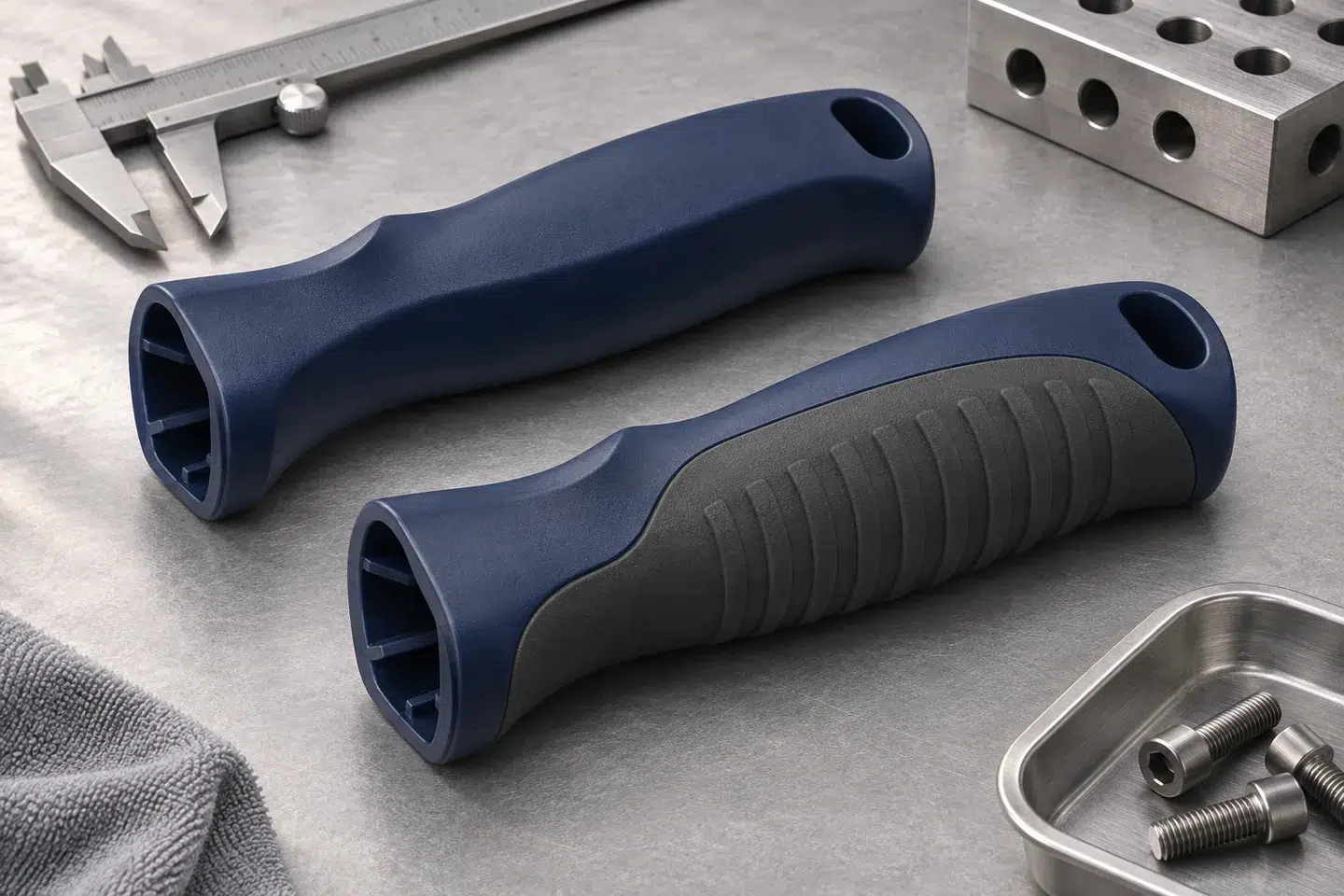
Overmolding adds material over a substrate to create a combined component, such as a rigid part with a softer grip or protective surface. The design must account for the interface, molding sequence, material compatibility and intended service conditions. Adhesion is not assured by choosing two material families: the exact grades, geometry and processing conditions need review and sample evaluation. Overmolding does not automatically imply a two-shot molding machine.
- Review substrate and overmold material compatibility
- Plan retention, coverage, shut-offs and visible edges
- Agree sample evaluation for fit, appearance and required function
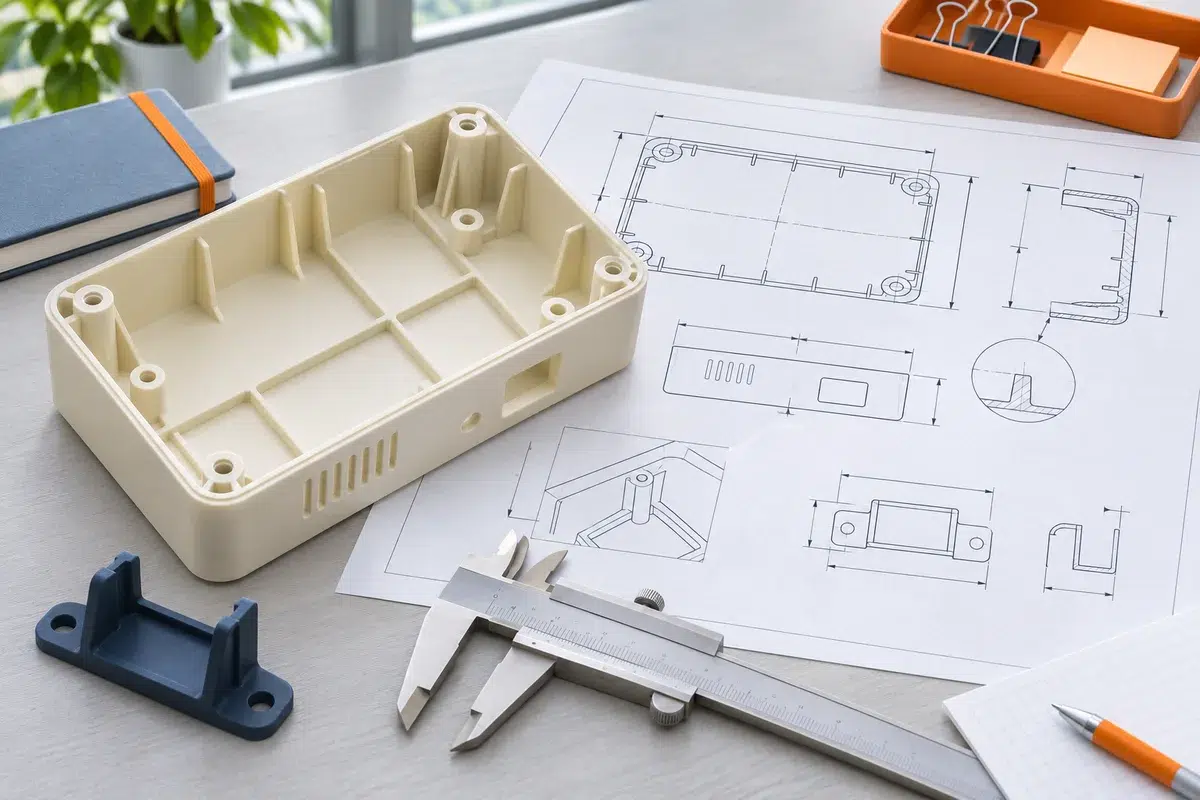
Overmolding: Specifications & Project Requirements
| Project inputs | Models for the substrate and completed part, materials and application conditions |
|---|---|
| Material pairing | Review candidate substrate and overmold grades for compatibility |
| Geometry | Coverage, wall transitions, retention features and edge conditions |
| Tooling approach | Substrate location, handling and protection of surfaces that must remain exposed |
| Sample evaluation | Agree adhesion or retention, appearance and functional assessment requirements |
| Production scope | Confirm whether substrate production, overmolding and finishing are included |
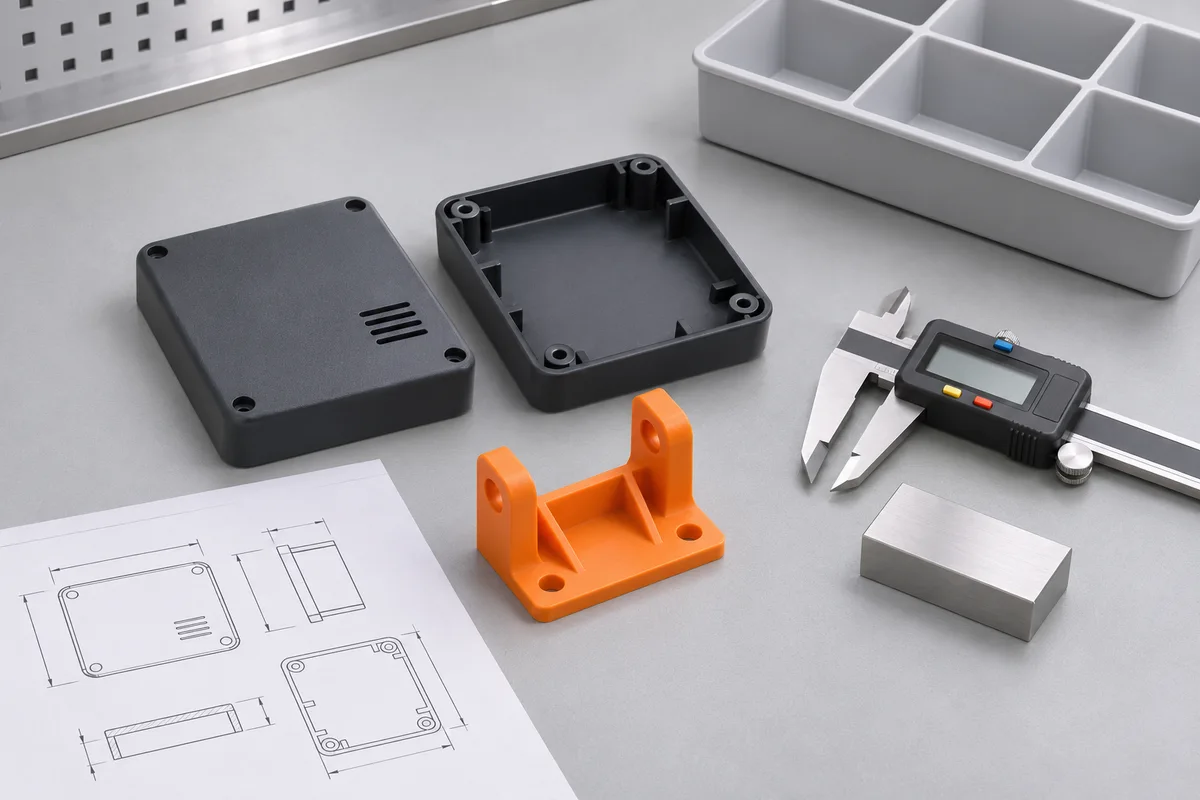
Final feasibility, tolerances, quantities and timing are confirmed after review of your drawings and requirements.
Choose More Than a Soft-Touch Material
The overmold must work with the substrate, the design and the end-use environment. A material family name alone does not establish bonding performance or suitability.
Performance
Describe grip, cushioning, flexibility or sealing goals and the temperatures, chemicals or wear expected in use.
Material Interface
Specify candidate grades if known. Review bonding guidance, mechanical retention and sample evaluation for the chosen combination.
Appearance & Handling
Define color, texture, acceptable edge lines and cosmetic surfaces. Discuss how the substrate will be located and handled.
Technical Review and Production Stages
Review the requirements at each stage, from engineering and tooling to samples, production checks and delivery.
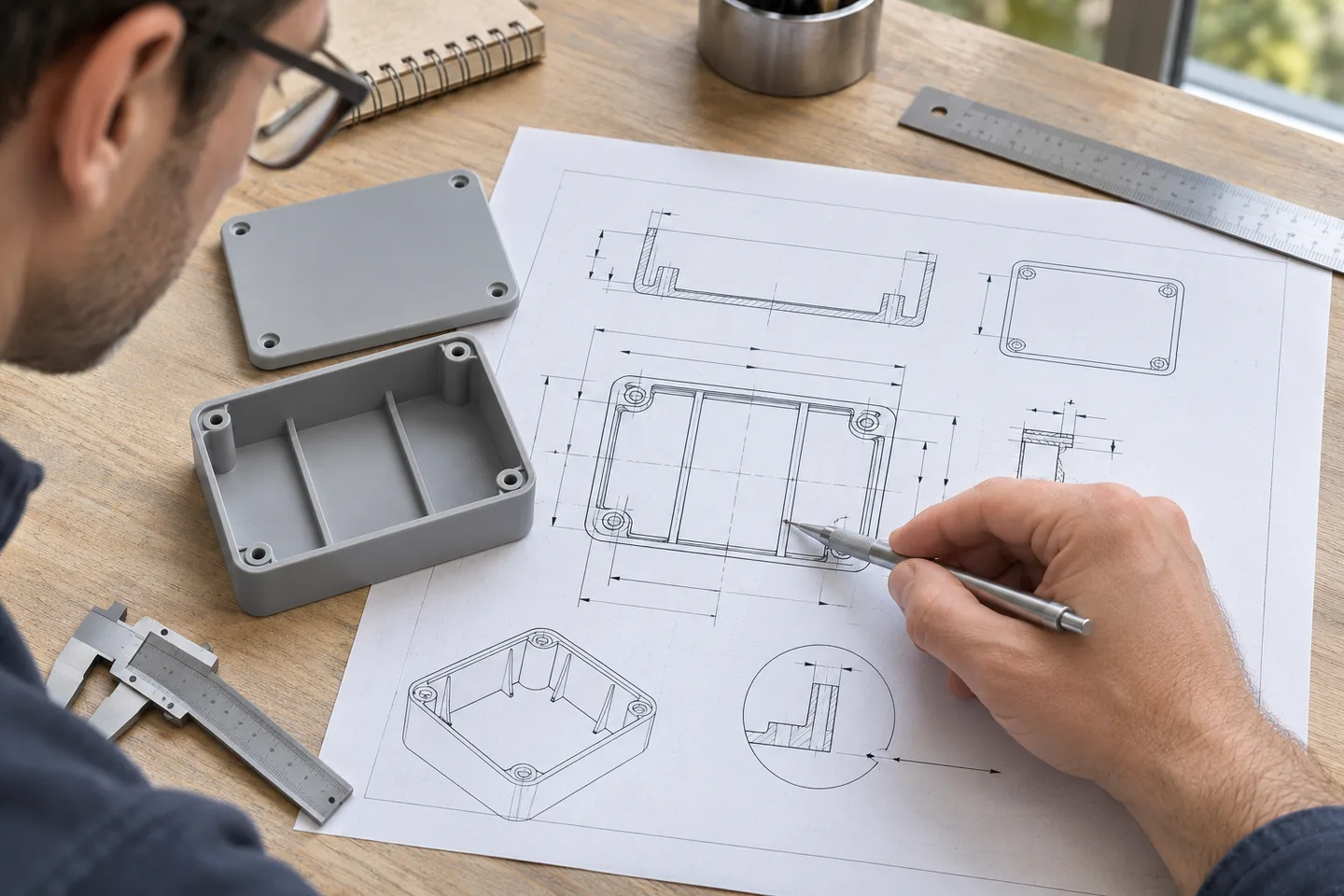
Review the Part Before Choosing the Process
- Project inputs3D CAD, drawing revision, mating components and visible surfaces.
- Review prioritiesPart geometry, assembly, material and expected production quantities.
- Agreed next stepClarify open requirements and confirm the quotation scope.
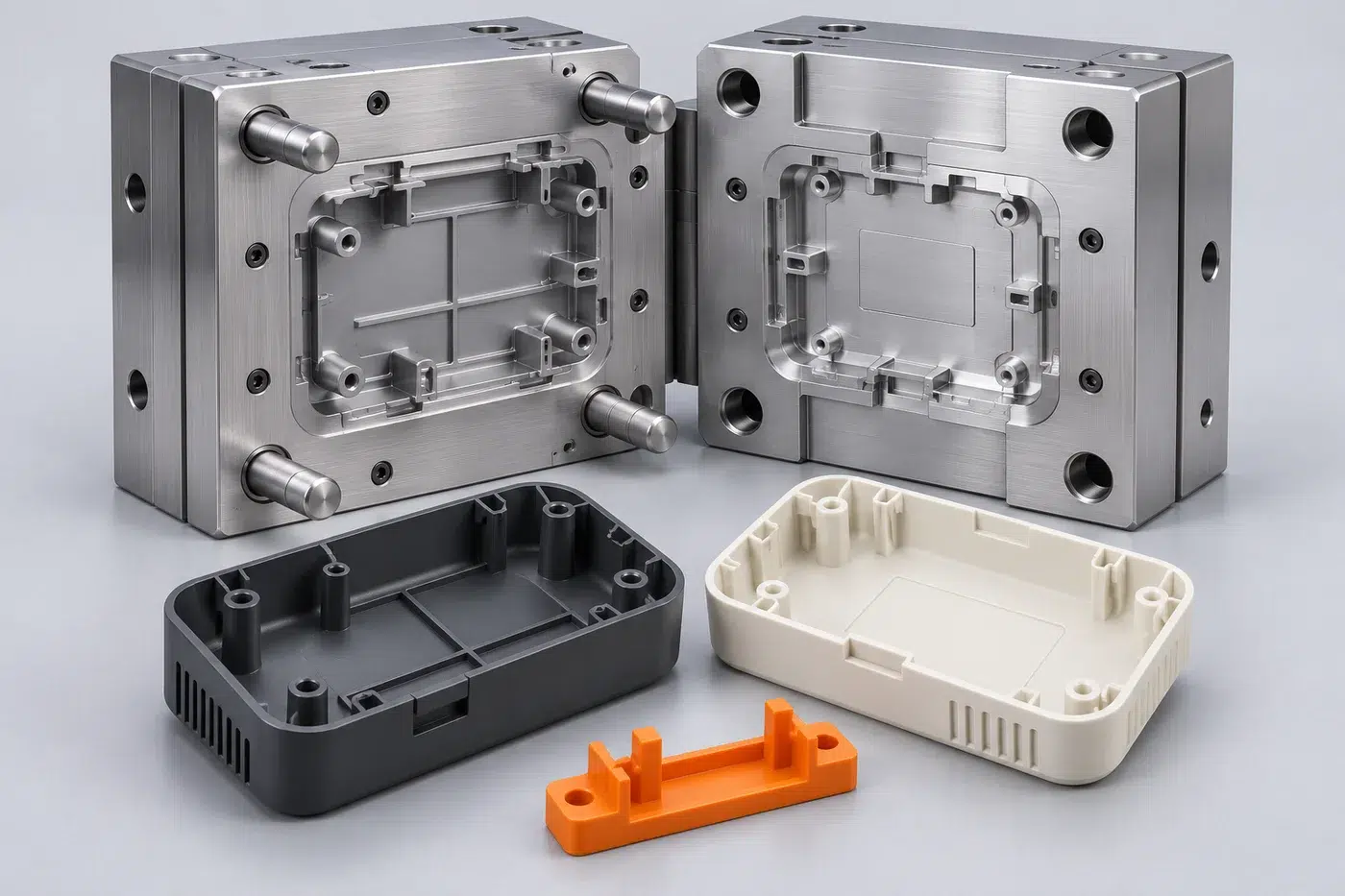
Connect Mold Design, Manufacturing and Trials
- Technical scopeReview cavity layout, parting lines, gates, cooling and ejection.
- Approval criteriaAgree drawing requirements, sample checks and the review process.
- Project planConfirm the work scope and milestones before manufacturing.
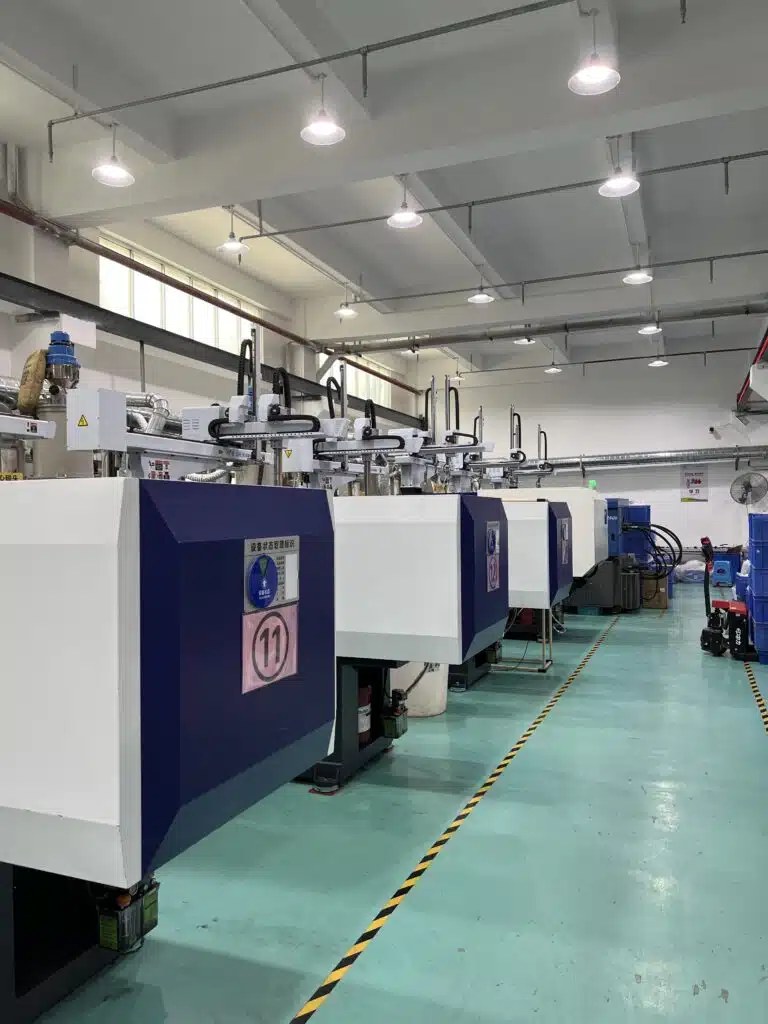
Manufacture Against the Agreed Specification
- Approved referenceConfirm the drawing revision, material and agreed sample or specification.
- Process requirementsIdentify critical features, appearance and the checks required for the project.
- Change controlDiscuss changes to the drawing, material or requirements before proceeding.
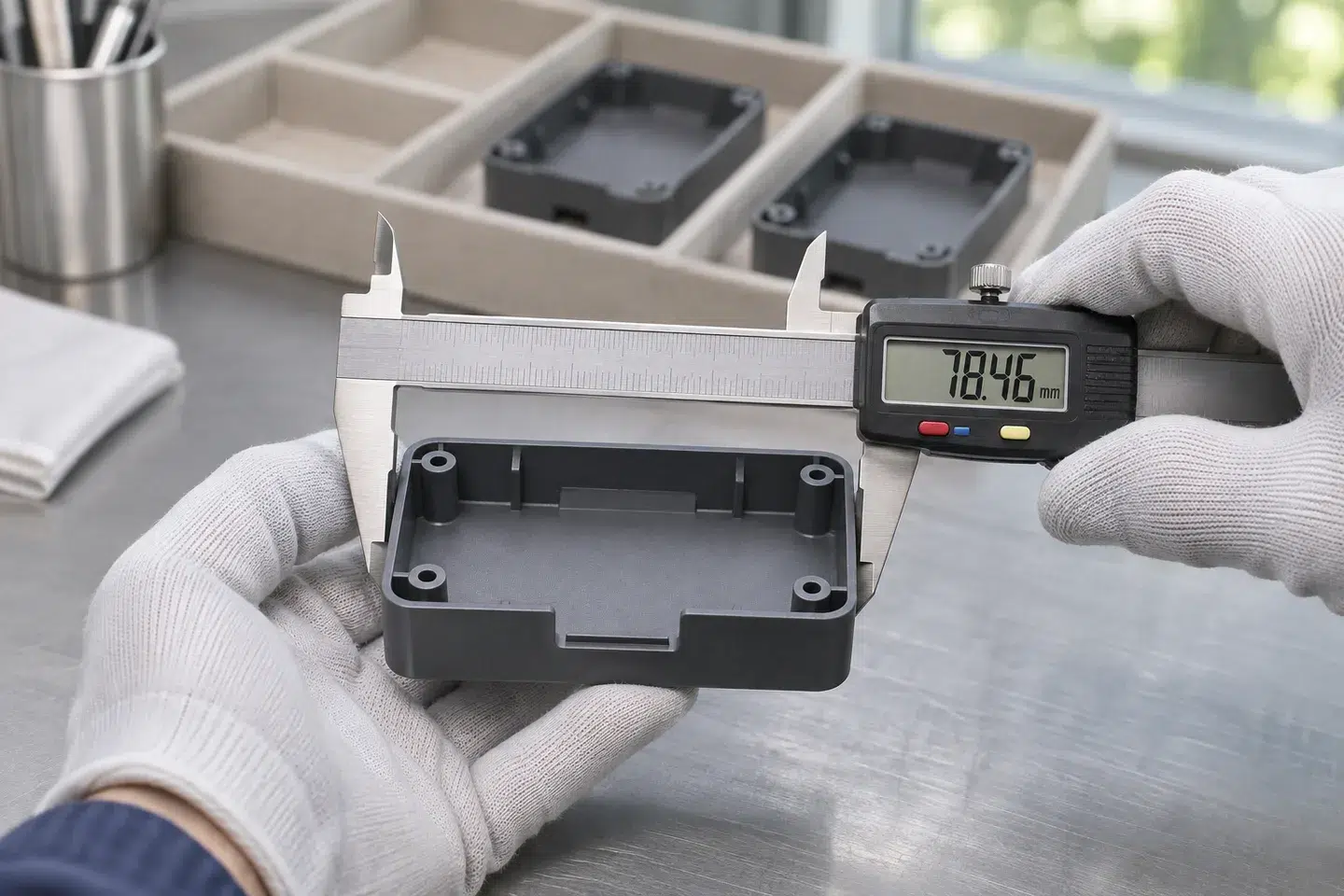
Keep Acceptance and Delivery Requirements Clear
- InspectionDefine the critical dimensions, appearance checks and required records.
- PackagingAgree protection, quantities and handling requirements for shipment.
- Repeat productionKeep drawing revisions and approved requirements clear for later orders.
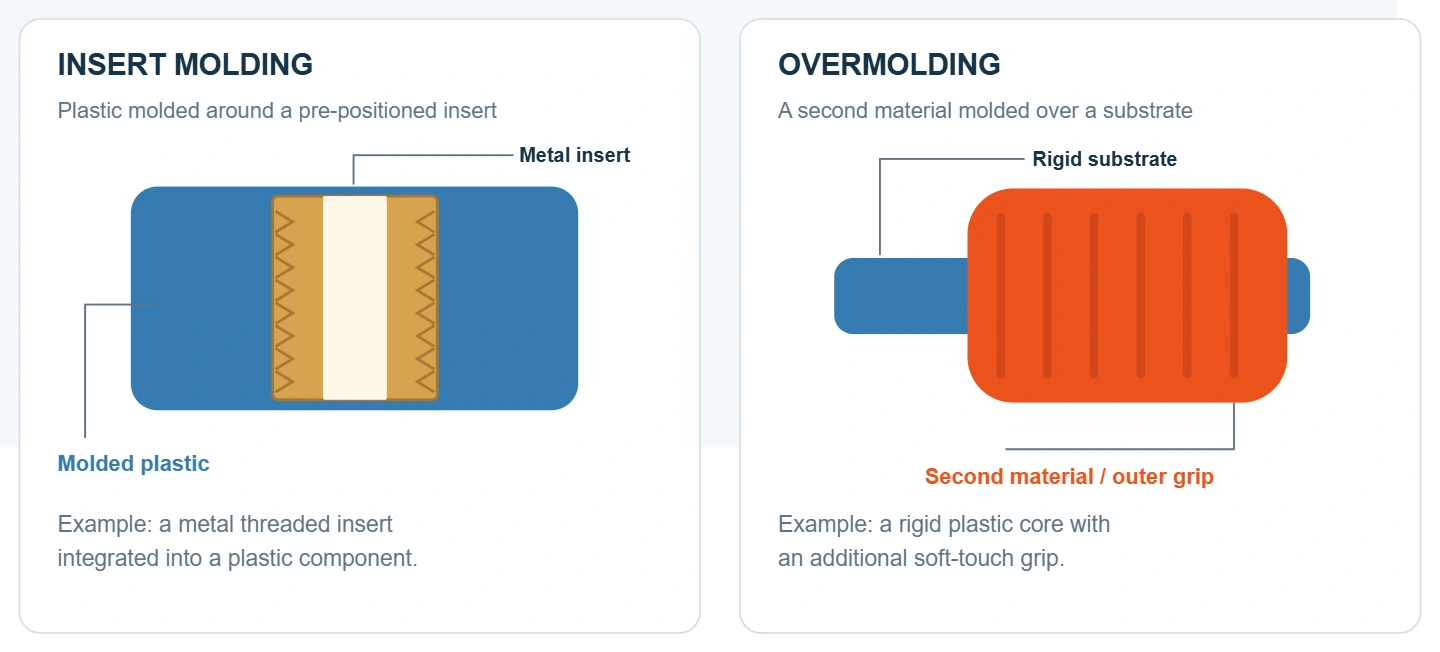
Insert Molding or Overmolding?
Insert molding integrates a preformed component, often metal, into plastic. Overmolding adds another material onto a substrate. Review the interface, function and material combination when selecting the route.
Review the Overmold Interface Before Tooling
Substrate and Added Material
Identify the exact grades of both materials, the substrate condition and the surfaces to be overmolded. Review heat exposure, handling and process compatibility. Define the finished-part performance rather than relying on a general compatibility chart.
Retention and Surface Boundaries
Mark the overmold boundary, parting lines and areas that must remain exposed. Review mechanical retention, wall transitions, shut-offs and assembly clearances. Agree cosmetic limits where flash or a witness line would affect the part.
Grip, Protection and Acceptance
Describe the intended function and operating environment. Specify relevant hardness, appearance, adhesion or retention checks using the agreed test conditions. Evaluate trial parts before confirming the production specification.
Evaluate the Overmold Interface and Failure Risks
| Review item | Information to agree |
|---|---|
| Material pairing | Identify both grades and supplier compatibility guidance. A TPE or TPU family name does not guarantee adhesion to ABS, PC or another substrate. |
| Retention route | Distinguish chemical adhesion from mechanical interlocks. Review wrap-around features, holes or undercuts where retention is required. |
| Boundary and shut-offs | Mark exposed areas, cosmetic boundaries and flash limits. Review substrate support and deformation during the added molding operation. |
| Acceptance tests | Define peel, pull, grip or other relevant checks with test conditions. Evaluate separation, tearing and substrate damage on trial parts. |
Project questions
Can mechanical retention replace chemical adhesion?
It may form part of the design, but the geometry and service loads must be evaluated. Confirm the required performance with suitable sample tests.
Does overmolding always require a two-shot machine?
No. The molding sequence depends on the component and production plan. Confirm the proposed process rather than assuming a particular machine configuration.
Overmolding Services FAQs
What is the difference between overmolding and insert molding?
Overmolding commonly adds a material over a substrate to create a grip, seal or other surface. Insert molding positions a preformed component, often metal, inside the tool before molding plastic around it. The required interface helps determine the route.
Will the two materials bond to each other?
Bonding depends on the exact grades, substrate surface, geometry and processing conditions. Mechanical retention may also be needed. Define a suitable acceptance test and evaluate trial samples; compatibility should not be assumed from family names alone.
Can a soft-touch grip be reviewed?
Provide the substrate drawing, intended grip area, material candidates and desired feel or hardness. The material combination, geometry and acceptance requirements must be evaluated for the finished application.
Does overmolding always use two-shot molding?
No. Different molding sequences and tooling arrangements can be considered. The appropriate route depends on the component and production requirement; confirm the proposed process in the quotation rather than assuming a particular machine configuration.
Which design features need DFM review?
Review substrate support, overmold thickness, retention features, gates, shut-offs and exposed surfaces. Our mold design review helps define these requirements before tooling.
How do I request an overmolding quotation?
Send drawings for the substrate and finished component, exact material grades where known, expected quantities and performance requirements. Identify who supplies the substrate and use the form below or contact the project team.
Specify the Substrate, Appearance and Assembly Checks
For grips and covers, confirm the actual ABS, PC, PP or other substrate grade and the proposed soft grade. Define where the layer stops, which surfaces are visible and what mating edges, clips or fasteners need clearance. A cosmetic edge can lift even when an interlock retains the main layer.
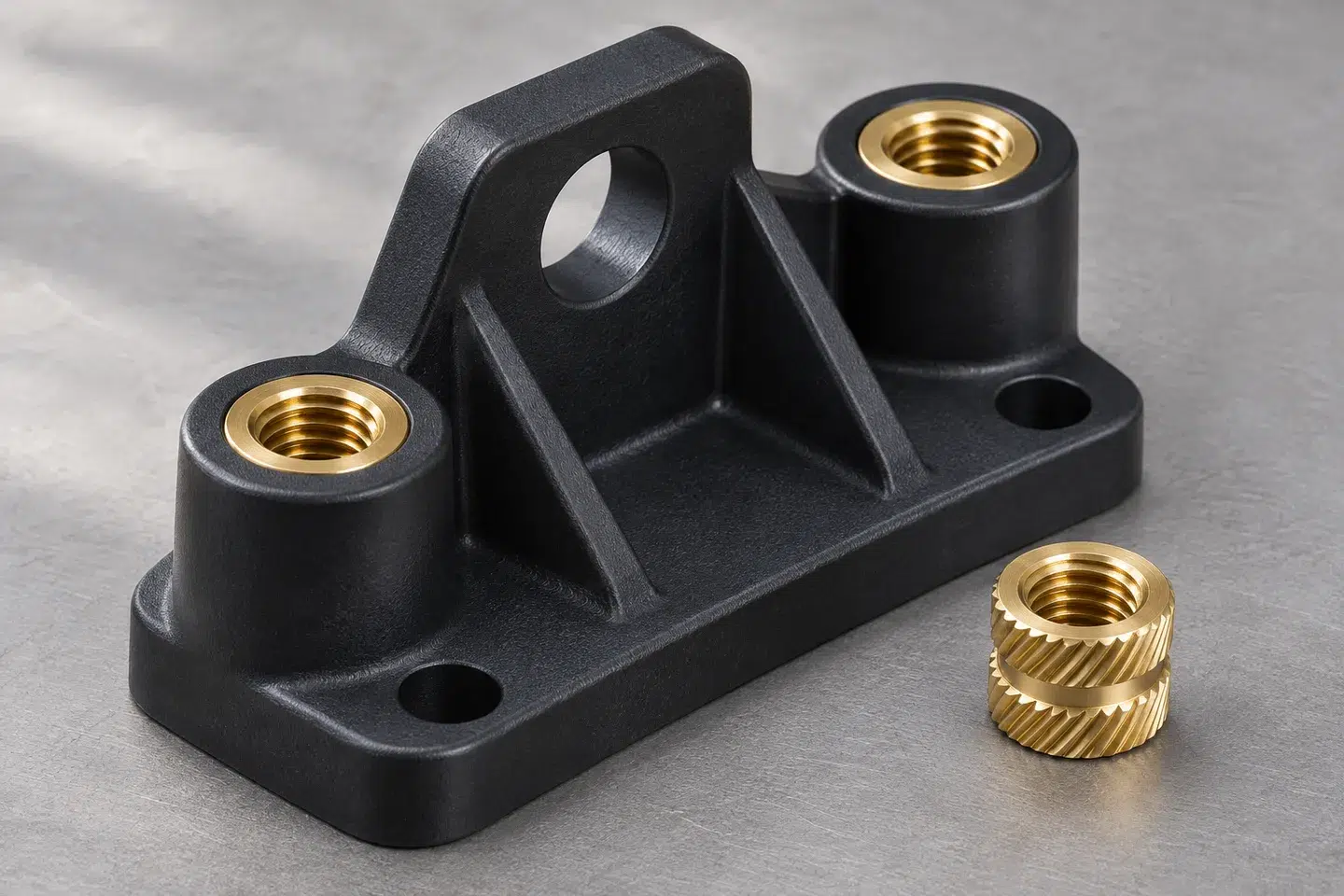
Document whether you are screening for interface separation, tearing in the soft material, substrate damage or a failed mechanical lock. Set the inspection and functional checks to reflect the actual load and service environment. Use the TPU/TPE substrate compatibility guide to prepare candidates. For functional metal threads installed during molding, see insert molding services.
How to Request a Manufacturing Quote
Send your part data, agree the scope, then review the quotation and sample plan with our team.
Request a Quote →Share Your CAD Files
Provide a 3D model or dimensioned drawing, intended use, material and quantities.
Engineering & DFM Review
Review wall thickness, assembly features, tooling approach and open requirements.
Confirm the Quotation
Agree tooling and part pricing, specifications, quantities and target dates.
Tooling & Trial Samples
After approval, develop the tool and review trial parts against agreed criteria.
Approve Production
Approve samples and confirm the production specification before a repeat run.
Inspection & Delivery
Confirm inspection records, packing and shipping requirements for your order.
Discuss Your Overmolded Part
Tell us the material, quantity, critical dimensions, finish and target schedule. Add your drawing or model so we can review the manufacturing requirements.
Attach PDF, JPG, PNG or ZIP files, up to 50 MB per file. Put STEP/STP, IGES or X_T CAD files in a ZIP archive. You can also email info@bfymold.com.