Custom Insert Molding Services
Combine a preformed insert with a molded plastic body. BFY Mold reviews insert geometry, resin, retention features and tooling to support functional custom components.
CAD model · Material · Quantity · Critical requirements
On this pageJump to the information you need
Build Inserts Into the Molded Component
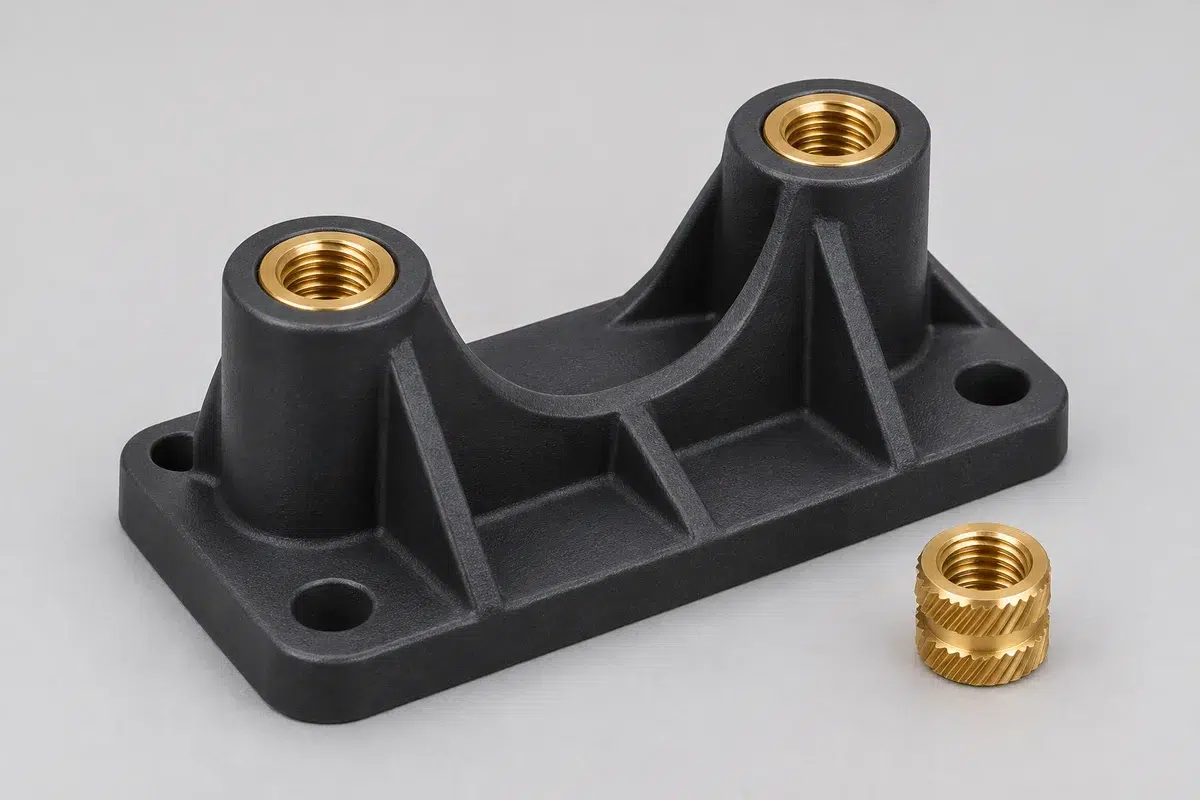
Insert molding places a preformed component inside the mold before plastic is injected around it. Metal threaded inserts, pins and other components can add functional interfaces to a plastic part. The insert must remain correctly positioned while the resin flows and the part cools.
- Review insert positioning, retention and plastic wall thickness
- Assess resin compatibility with the insert and end-use environment
- Compare molding the insert in place with secondary assembly
Insert Molding: Specifications & Project Requirements
| Typical insert features | Threads, locating features, pins and other functional interfaces, subject to review |
|---|---|
| Insert definition | Provide insert drawings, material, finish, tolerances and supply responsibility |
| Retention design | Review mechanical features, sealing needs and resistance to movement or pull-out |
| Resin selection | Choose against temperature, load, chemical exposure and insert compatibility |
| Tooling considerations | Insert loading, support, location control and protection of exposed features |
| Inspection planning | Agree checks for insert position, plastic coverage and critical functional requirements |
Final feasibility, tolerances, quantities and timing are confirmed after review of your drawings and requirements.
Review the Insert and Plastic as One System
Insert molding performance depends on the interface between the materials. Geometry, thermal behavior and loading conditions matter as much as the individual material properties.
Insert Design
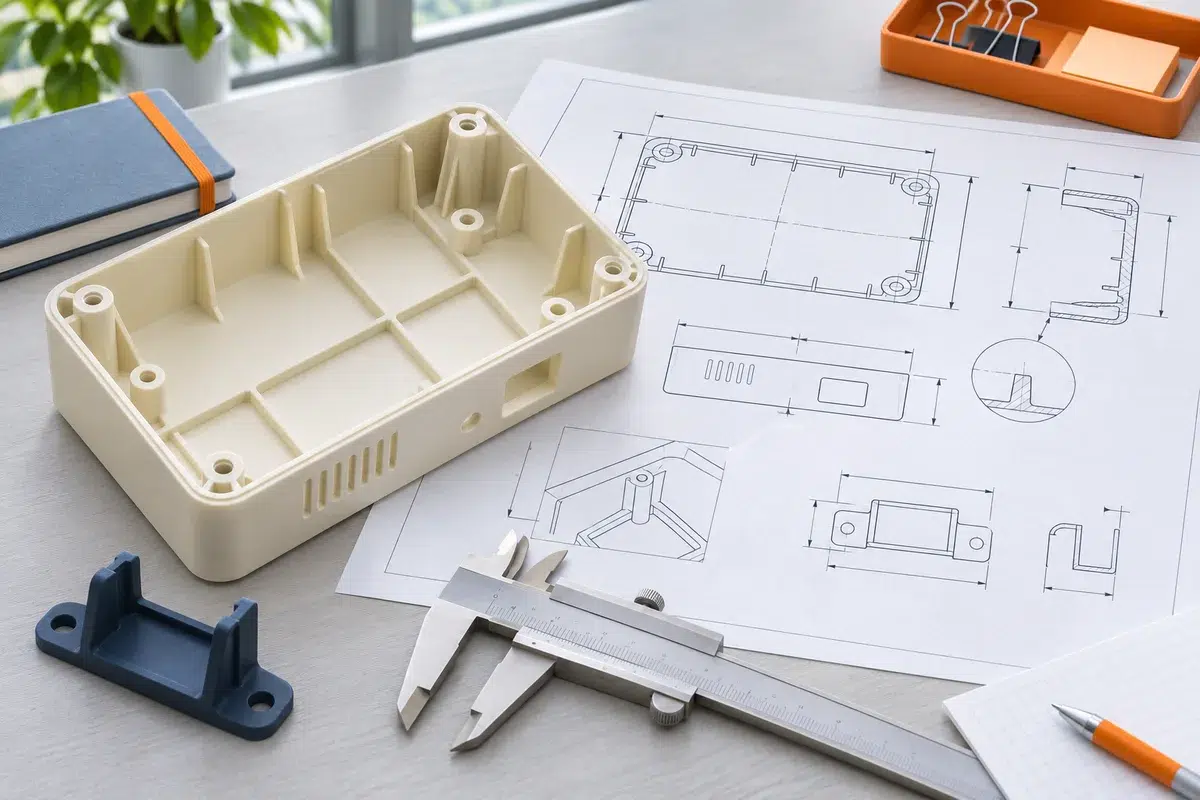
Share a drawing of the insert and how it will be supplied. Mark threads, surfaces and dimensions that must stay free of plastic.
Part Function
Describe fastening loads, electrical requirements, sealing or other functional needs so retention features can be reviewed.
Production Control
Agree insert positioning and inspection criteria. Discuss whether insert molding or post-molding assembly better suits the project.
From Your Drawingsto an Agreed Project Plan.
Our engineers review your part requirements, clarify the manufacturing scope, and prepare a quotation for your approval.
- 01
Share Your Requirements
Send 2D drawings or 3D CAD files, target quantity, material and key specifications.
- 02
Engineering Review
We assess part geometry, tooling requirements and manufacturing feasibility.
- 03
Define the Project Scope
Agree on materials, finish, quantities, inspection criteria and delivery requirements.
- 04
Review Your Quotation
Review the technical and commercial details of a quote based on the agreed scope.
- 05
Approve and Get Started
Once the quotation and requirements are approved, we schedule tooling, sampling or production.
Manufacturing starts after quotation approval and confirmation of the project requirements.
Technical Review and Production Stages
Review the requirements at each stage, from engineering and tooling to samples, production checks and delivery.
Review the Part Before Choosing the Process
- Project inputs3D CAD, drawing revision, mating components and visible surfaces.
- Review prioritiesPart geometry, assembly, material and expected production quantities.
- Agreed next stepClarify open requirements and confirm the quotation scope.
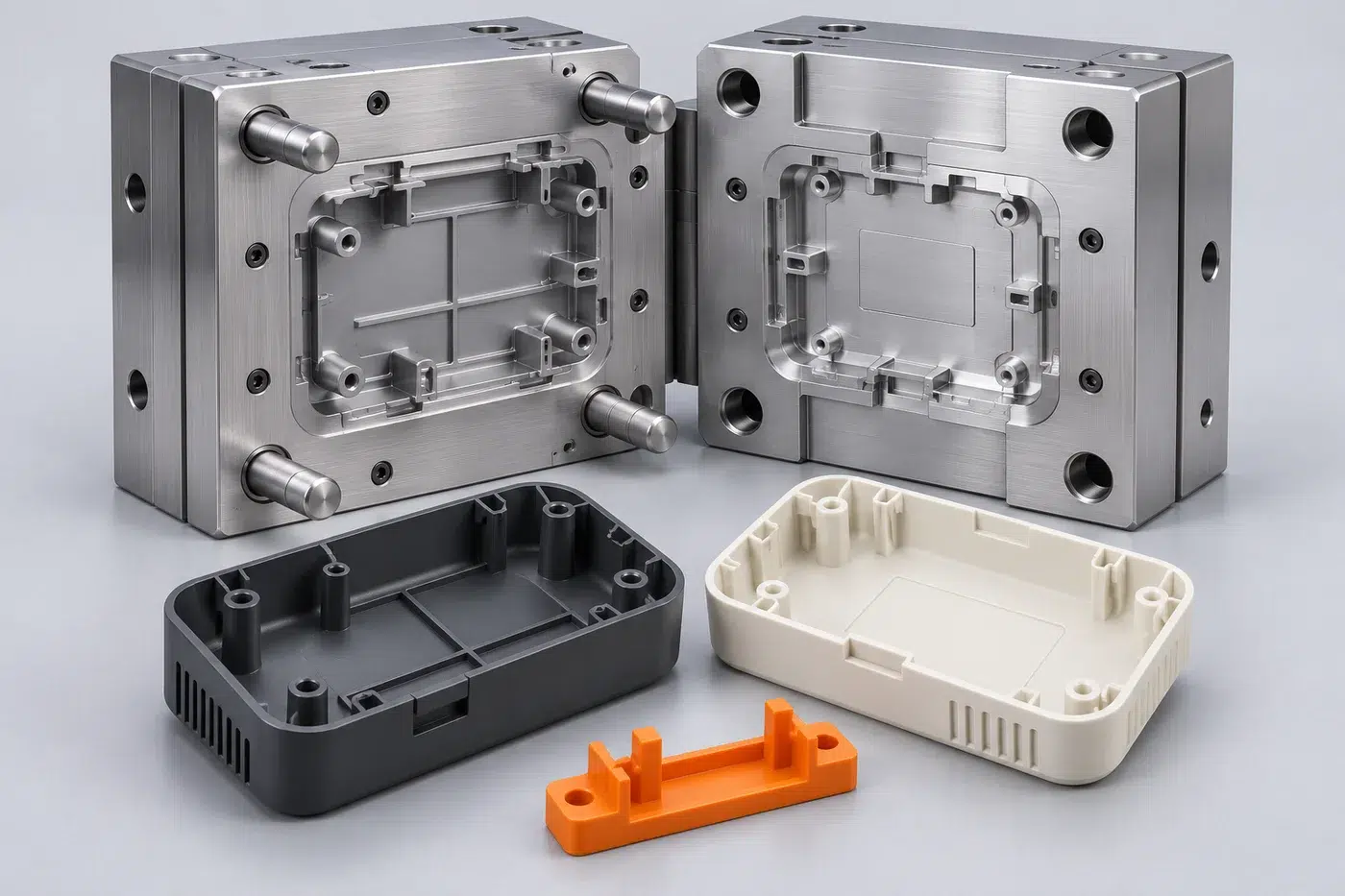
Connect Mold Design, Manufacturing and Trials
- Technical scopeReview cavity layout, parting lines, gates, cooling and ejection.
- Approval criteriaAgree drawing requirements, sample checks and the review process.
- Project planConfirm the work scope and milestones before manufacturing.

Manufacture Against the Agreed Specification
- Approved referenceConfirm the drawing revision, material and agreed sample or specification.
- Process requirementsIdentify critical features, appearance and the checks required for the project.
- Change controlDiscuss changes to the drawing, material or requirements before proceeding.
Keep Acceptance and Delivery Requirements Clear
- InspectionDefine the critical dimensions, appearance checks and required records.
- PackagingAgree protection, quantities and handling requirements for shipment.
- Repeat productionKeep drawing revisions and approved requirements clear for later orders.
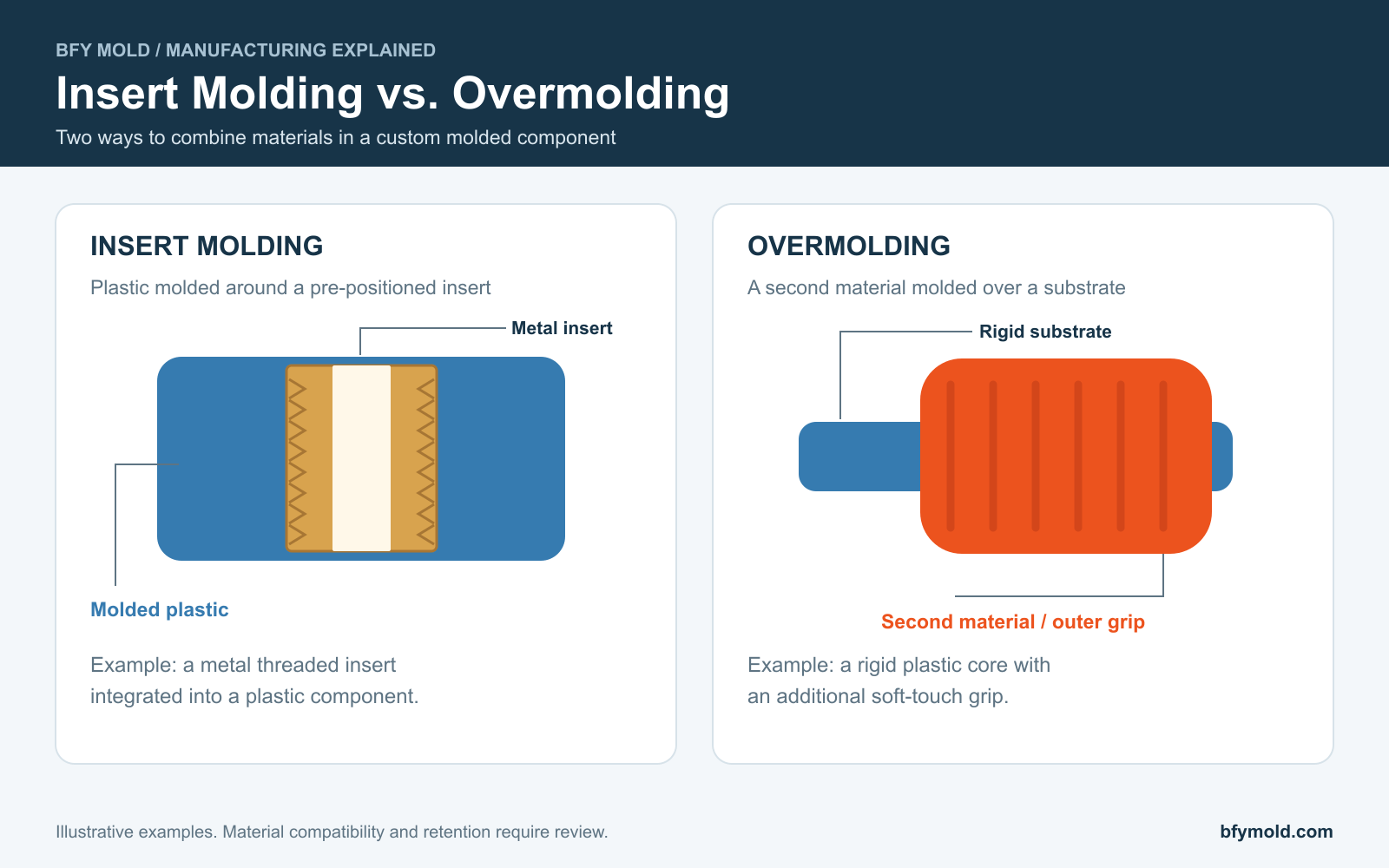
Insert Molding or Overmolding?
Insert molding integrates a preformed component, often metal, into plastic. Overmolding adds another material onto a substrate. Review the interface, function and material combination when selecting the route.
Insert Molding FAQs
A clear specification helps us review the manufacturing route and prepare a useful quote.
What is the difference between insert molding and overmolding?
Insert molding molds plastic around a preformed insert, often metal. Overmolding adds another material onto an existing substrate, commonly to create a grip or other surface feature. The right route depends on the component.
Can threaded inserts be molded into plastic?
Threaded inserts can be suitable, but insert design, loading, resin and retention requirements must be reviewed together. Send drawings and functional requirements for assessment.
Who supplies the inserts?
Insert sourcing or customer-supplied inserts should be agreed in the project scope, including drawings, material, finish and inspection responsibility.
What should I include in a quote request?
Include the complete part model, insert drawing, resin, quantities and functional requirements. Mark insert positions and exposed surfaces that are critical.
Related Manufacturing Services
Review an Insert Molding Project
Tell us the material, quantity, critical dimensions, finish and target schedule. Add your drawing or model so we can review the manufacturing requirements.
Attach PDF, JPG, PNG or ZIP files, up to 50 MB per file. Put STEP/STP, IGES or X_T CAD files in a ZIP archive. You can also email info@bfymold.com.