Introduction
Starting an injection molding project can be a complex yet rewarding endeavor. Whether new to the field or expanding your manufacturing capabilities, understanding the essential information required can significantly impact your project’s success. This blog post will guide you through the crucial elements you need to consider before diving into injection molding.
1. Understanding the Basics of Injection Molding
Before starting any custom plastic products project, it’s vital to understand the process itself. Injection molding involves injecting molten material, usually plastic, into a mold cavity where it cools and solidifies into the desired shape. This process is widely used to produce high volumes of parts with consistent quality and precision.
2. Material Selection
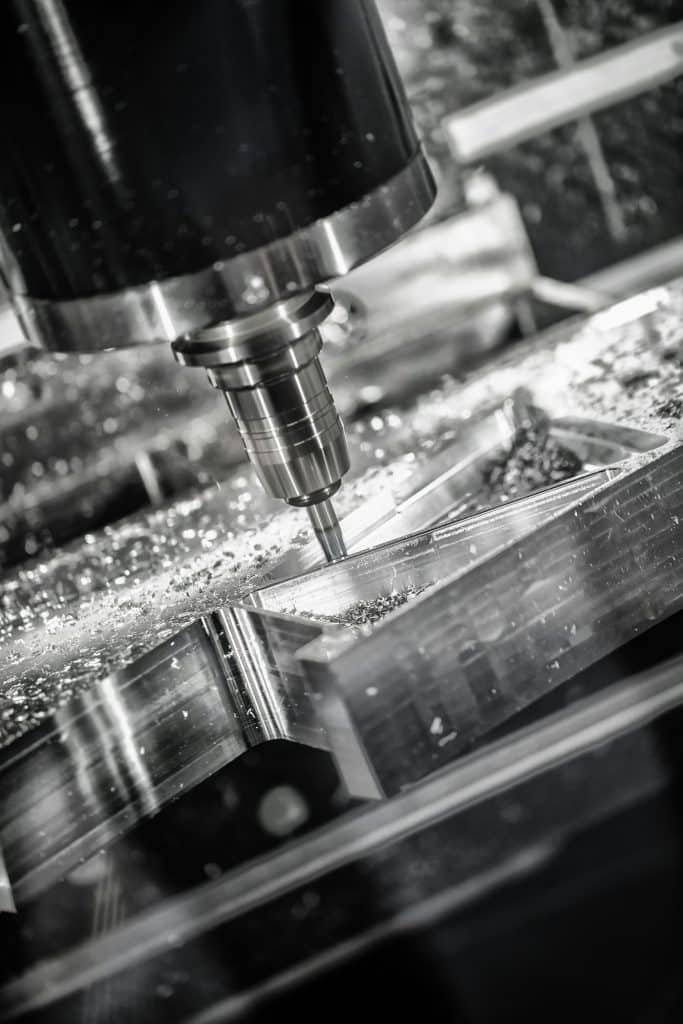
Choosing the right material is one of the most critical steps in injection molding. The material you select will depend on the application, mechanical properties, and cost considerations. Common materials include thermoplastics like ABS, polycarbonate, and nylon. Factors like temperature resistance, flexibility, and durability should guide your material choice.
3. Design for Manufacturability (DFM)
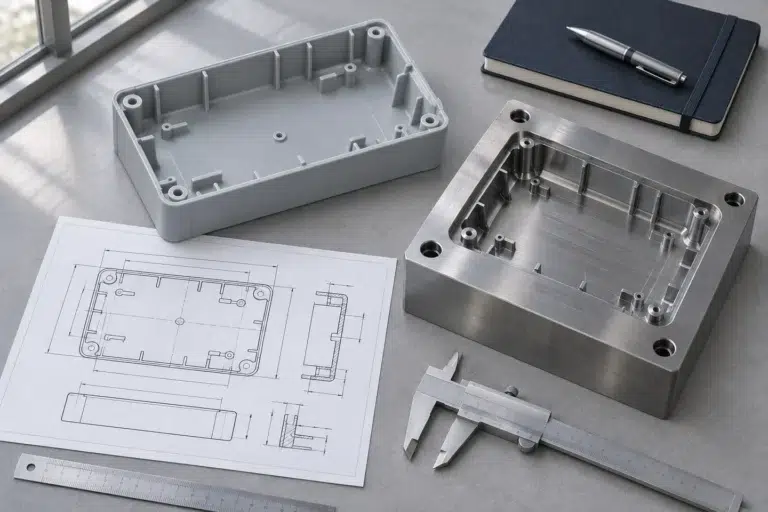
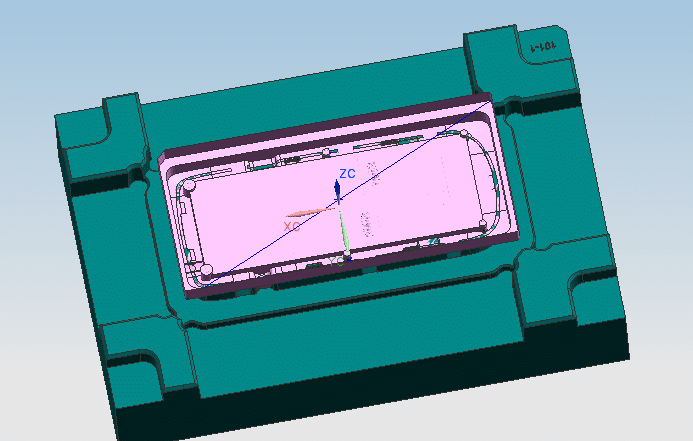
DFM is a key consideration when preparing for injection molding. The design of your part must be optimized for the injection molding process to minimize defects, reduce costs, and ensure a smooth manufacturing process. This includes considerations like wall thickness, draft angles, and rib design.
4. Prototype Testing
Before committing to full-scale production, prototyping is essential. A prototype helps you identify potential design flaws and test the functionality of the part in real-world conditions. CNC machining or 3D printing are common methods for creating prototypes that closely resemble the final product.
5. Tooling and Mold Design
The mold is the heart of the injection molding process. Investing in a high-quality mold design is crucial for ensuring the longevity of the tool and the quality of the parts produced. Mold design should consider factors like parting lines, gate locations, and cooling channels to optimize the molding process.
6. Cost Considerations
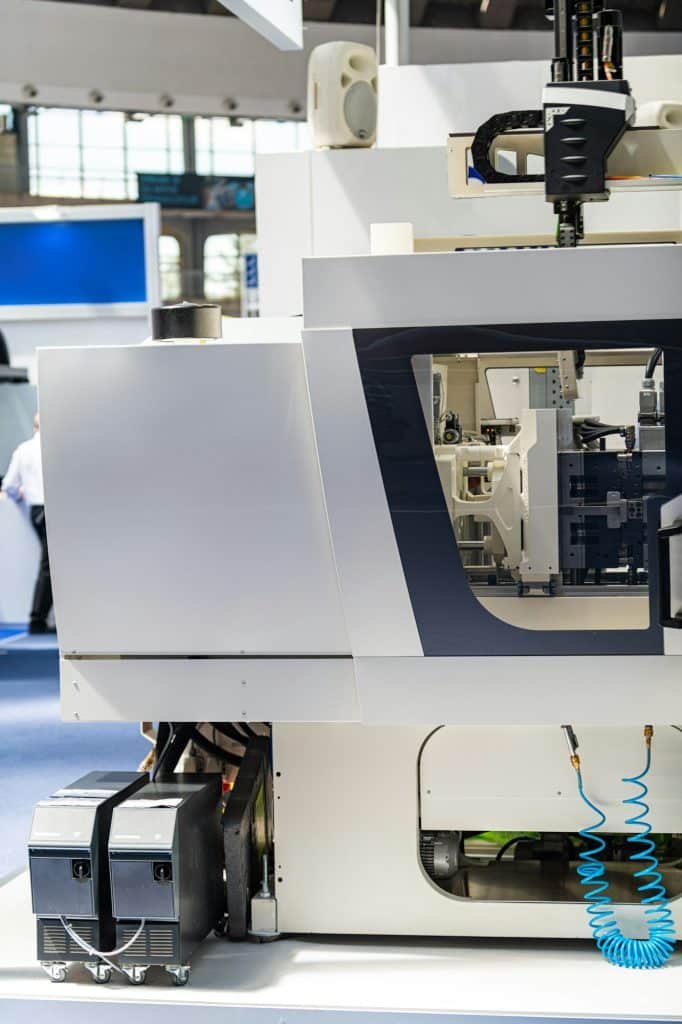
Understanding the cost structure of injection molding is essential for budgeting and planning. Costs can include material costs, mold creation, machine operation, and labor. It’s important to consider both the initial investment and the long-term costs associated with production.
7. Selecting the Right Injection Molding Partner
Partnering with an experienced injection molding company can make a significant difference in the success of your project. Look for a partner with expertise in your industry, a strong track record, and the capability to handle your specific production needs.
8. Quality Control Measures
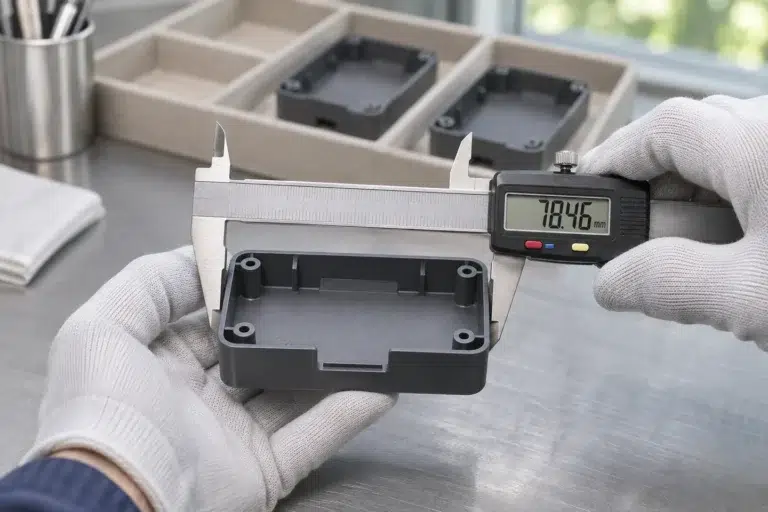
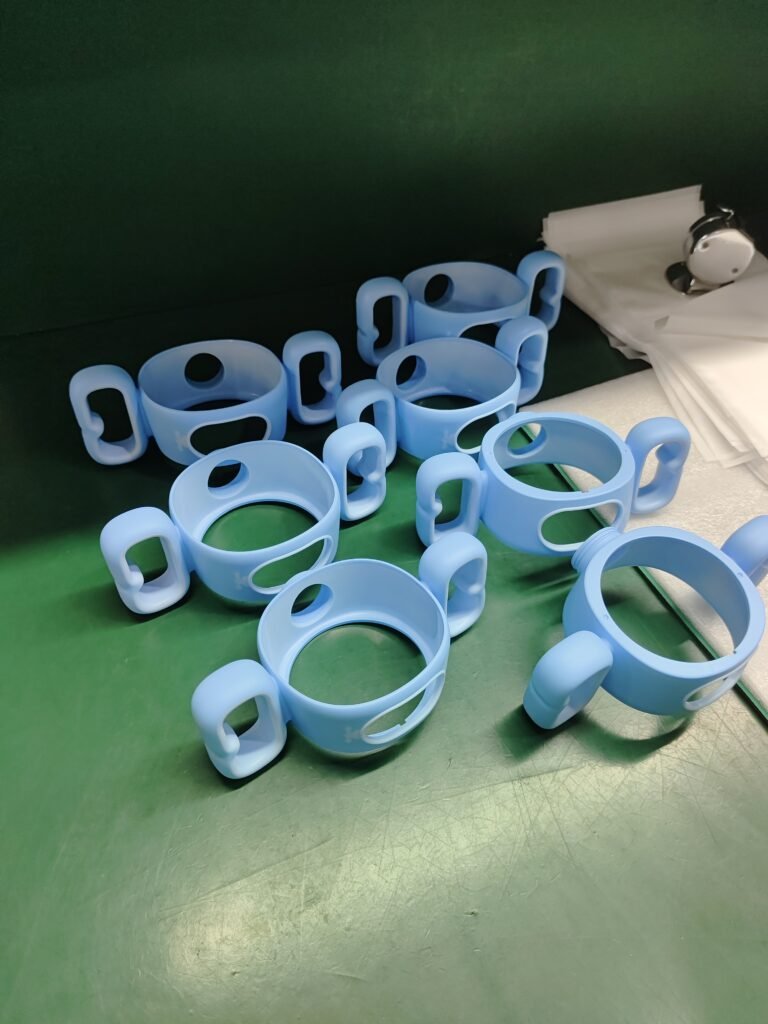
Implementing stringent quality control measures is vital to ensure that your final product meets all specifications and industry standards. This includes regular inspections, testing, and monitoring throughout the production process to catch any defects early on.
9. Sustainability Considerations
In today’s market, sustainability is becoming increasingly important. Consider the use of recycled materials, energy-efficient production processes, and waste reduction strategies to make your project more environmentally friendly.
10. Compliance with Industry Standards
Finally, ensure that your product complies with all relevant industry standards and regulations. This may include safety certifications, environmental regulations, and quality management standards that apply to your specific industry.
10 FAQs for Injection Molding Success
1. What certifications should a reliable manufacturing partner hold?
Look for ISO 9001 (quality), IATF 16949 (automotive), and ISO 13485 (medical). These ensure compliance with global standards for precision and traceability.
2. How do manufacturers minimize defects in high-volume production?
Advanced suppliers use AI-driven process monitoring and real-time mold sensors to maintain tolerances within ±0.05mm.
3. What material options are available for cost-effective projects?
Common resins like ABS (2–4/kg), PP(2–4/kg), and PP(1–3/kg) reduce costs, while engineering plastics like PEEK ($80–120/kg) suit high-performance needs.
4. What factors influence tooling costs for new projects?
- Mold material: Aluminum (10k–30k) vs. steel (30k–100k+).
- Complexity: Multi-cavity designs or micro-features add 20–40%.
- Lead time: 6–12 weeks for steel molds.
5. How do suppliers ensure fast turnaround for prototypes?
Top manufacturers offer rapid tooling with 3D-printed or aluminum molds, delivering prototypes in 2–4 weeks.
6. What sustainability practices do leading manufacturers adopt?
- Recycled materials: Post-consumer resins with ≤30% content.
- Energy-efficient machines: Reduce carbon footprint by 25–40%.
- Closed-loop cooling systems: Minimize water waste.
7. How are design flaws identified early in production?
Suppliers perform mold flow analysis and DFM (Design for Manufacturing) reviews to eliminate issues like sink marks or warping.
8. What post-processing services ensure part functionality?
- Surface treatments: Texturing (SPI-C1), plating, or annealing.
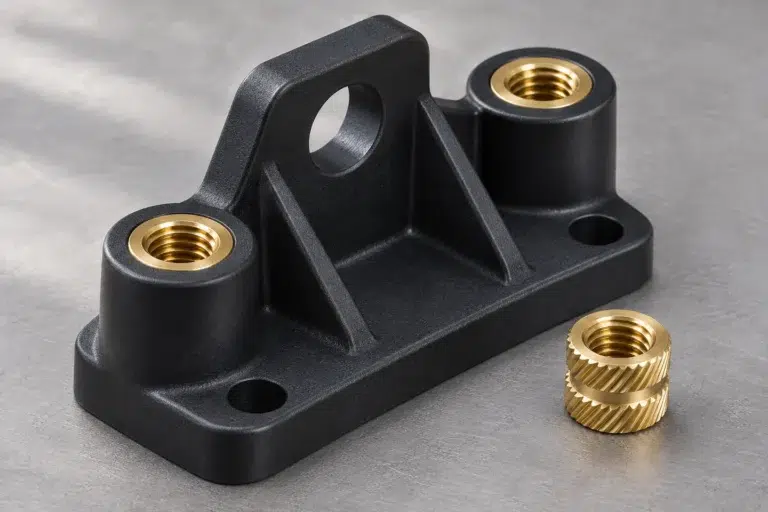
- Assembly: Ultrasonic welding or snap-fit integration.
- Quality testing: CMM, tensile strength, and leak tests.
9. How do manufacturers handle overseas logistics and quality control?
- Third-party inspections: Companies like SGS or TÜV validate batches pre-shipment.
- Incoterms agreements: Clarify responsibilities (e.g., FOB, DDP).
10. What support is provided for design modifications mid-production?
Reputable partners offer engineering change orders (ECOs) with cost/time estimates and version-controlled tooling updates.
Conclusion
Starting an injection molding project requires careful planning and a thorough understanding of the process. By considering factors like material selection, mold design, and quality control, you can set your project up for success.
About BFY Mold
At BFY Mold, we specialize in providing comprehensive injection molding services, including mold production and manufacturing, mass production, on-demand production, CNC machining, and mirror sparking. With our factory, we ensure high-quality production and tailored solutions to meet your specific needs. Let us partner with you to bring your injection molding project to life with precision and efficiency.