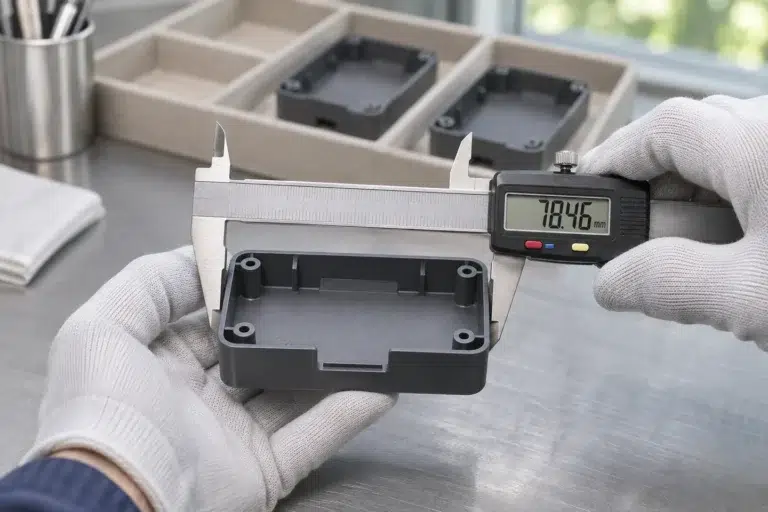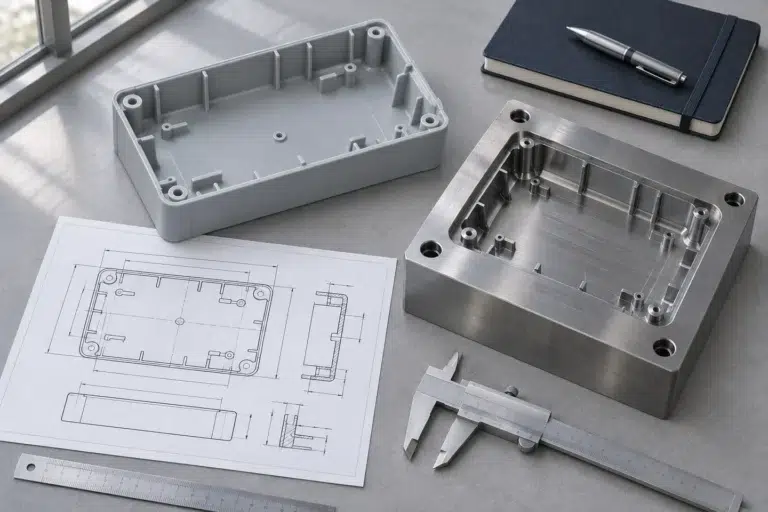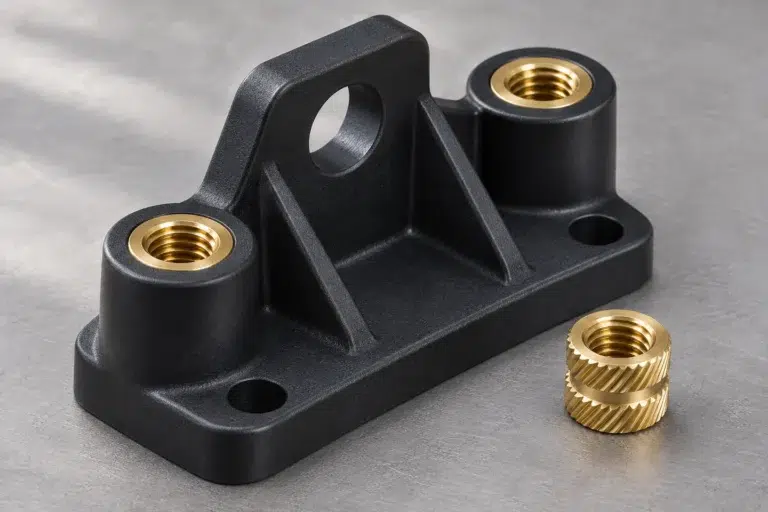
An injection mold trial produces evidence for a decision. Before approving samples, connect each result to the drawing revision, material, mold configuration and agreed inspection method. A sample that looks acceptable is not, by itself, a complete production-release record.
This buyer’s checklist covers the information to request and the decisions to document. It complements our mold trial preparation article; it is not an operating procedure for setting up or running molding machinery.
1. Agree the Trial Objective and Acceptance Criteria
State what the trial is intended to establish: initial part formation, a response to a tool correction, verification of an assembly requirement or readiness for an agreed production order. If the team uses labels such as T0 or T1, define the expected output in the project plan rather than relying on the label alone.
Before the trial, identify critical dimensions, cosmetic zones, mating components and required functional checks. Agree sample quantities and representation, the inspection records expected, who makes the release decision and which issues would prevent approval. Do not adopt a universal sample count or tolerance without reviewing the component and order requirements.
2. Make Samples and Results Traceable
A useful review package identifies the part and drawing revision, resin grade and color, mold ID and relevant cavity identification, trial date and sample IDs. Record deviations from the intended configuration so reviewers understand what the samples can demonstrate.
Eastman’s processing and mold design guidelines emphasize recording pretrial preparations, operating conditions and changes during trials, and provide record forms. Material-specific processing guidance should be checked for the selected grade; settings from one resin should not be treated as universal instructions.
| Review Area | Evidence to Request | Question Before Release |
|---|---|---|
| Design baseline | CAD, drawing and approved specification revisions | Were these the requirements used for the trial? |
| Material | Grade, color and relevant material identification | Does it match the agreed sample scope? |
| Sample identity | Sample IDs, cavity information and trial date | Can each reported result be matched to a sample? |
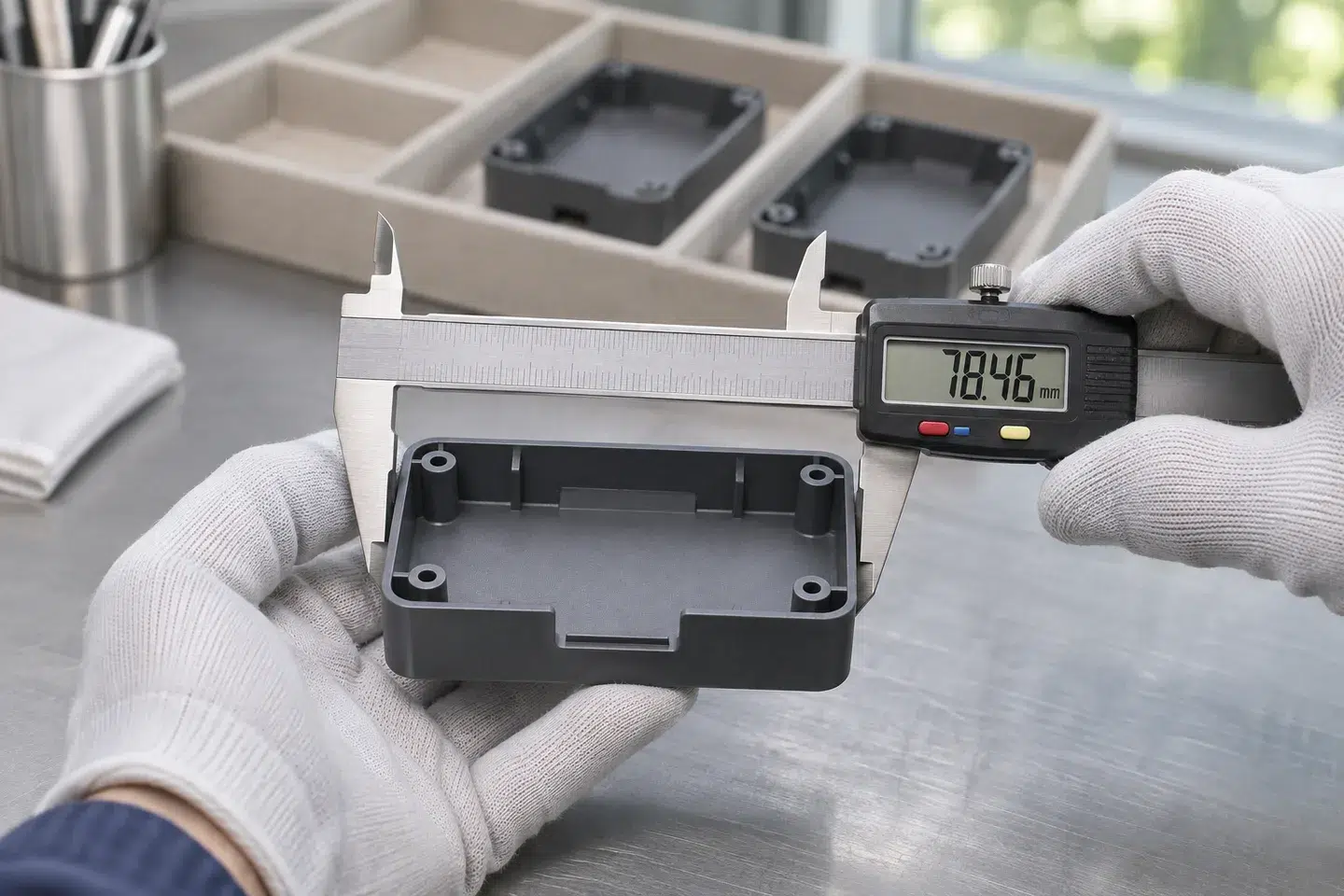
| Dimensions | Results tied to drawing features and inspection methods | Are the critical features evaluated under agreed conditions? |
| Appearance and fit | Marked photographs, reference criteria and assembly results | Are observations separated from agreed acceptance limits? |
| Open issues | Issue list, proposed actions, owners and next checks | Which items prevent release, and which are formally accepted? |
3. Review Dimensions in Their Measurement Context
Connect the measurement report to the drawing’s feature identification and datums. Agree the measurement method, sample preparation and any conditioning or elapsed-time requirements that matter for the chosen material and feature. Compare like with like when reviewing a result from a different laboratory or instrument.
Ask whether the sample coverage represents the agreed cavity configuration and trial scope. One selected part should not silently stand in for a broader requirement. For background on dimension planning, see our injection molding tolerances guide. The project drawing and accepted inspection plan remain the reference for release.
A dimension report, a process capability study and a customer-specific approval package answer different questions. Protolabs’ quality documentation overview distinguishes several inspection offerings. Define what your order actually requires; do not assume every report type or certification is included in a supplier’s standard service.
4. Check Appearance, Assembly and Open Issues Separately
For appearance, mark the location of an observation and compare it with the agreed visible-surface criteria. For assembly, identify the mating-part revision and test arrangement. Avoid treating “looks good” or “fits here” as a substitute for a defined requirement.
Use an issue record with these fields: sample ID, location, requirement, observation, proposed action, owner and verification method. Separate a failure against the approved drawing from a request to change that drawing. This makes the next trial or design review more focused.
5. Record the Release Decision
- Review the EvidenceMatch samples, inspection results and open issues to the agreed trial scope.
- Resolve or Define ExceptionsDocument required corrections, accepted deviations and any limits on use.
- Approve a Specific BaselineIdentify the released drawing, material, reference samples and production scope.
Keep sample acceptance, tool acceptance and production authorization explicit. Your project may connect these decisions, but one should not be assumed to replace the others. For a limited release, record the permitted quantity or use, outstanding checks and who approved the exception.
Preserve the approved records for repeat orders. If a drawing, resin or tooling configuration later changes, review whether further verification is needed. Our mold making review and injection molding service provide starting points for discussing the tooling, trial and production scope together.
Mold Trial and Sample Approval FAQs
Does approval of the first samples authorize mass production?
Only if that is the documented decision for the project. Define the release scope, approved configuration, quantities and any remaining conditions explicitly.
How many samples should we inspect?
Agree the sample plan against the component, cavity arrangement, required evidence and customer requirements. There is no universal quantity that proves every mold or production process is acceptable.
Can a resin substitution be accepted during a trial?
Record the difference and decide what the resulting samples are intended to demonstrate. Do not treat substituted material as proof of the intended material’s performance without appropriate review.
What should we send to plan a tooling and sample review?
Provide CAD and drawings, material requirements, critical features, appearance criteria, mating-part details, expected quantities and required inspection records.
Define Your Trial and Sample Requirements
Share the part files and acceptance requirements with BFY Mold to discuss the project review and quotation scope.
Request a Project Review →