The design of injection mold is one of the most important phases of plastic manufacturing. A quality mold design ensures quality, reduces production problems, and increases efficiency. This detailed guide covers the essential guidelines, important factors, and best practices for designing injection molds. This guide is designed for every injection molding professional, whether you have decades of experience or you’re new to the industry and looking to learn about the fundamentals of injection mold design and the impact of injection mold design on manufacturing.
What is Injection Mold Design?
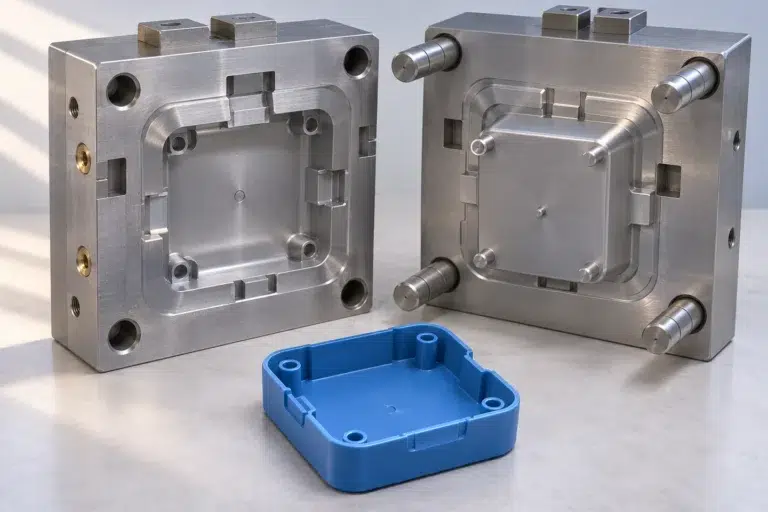
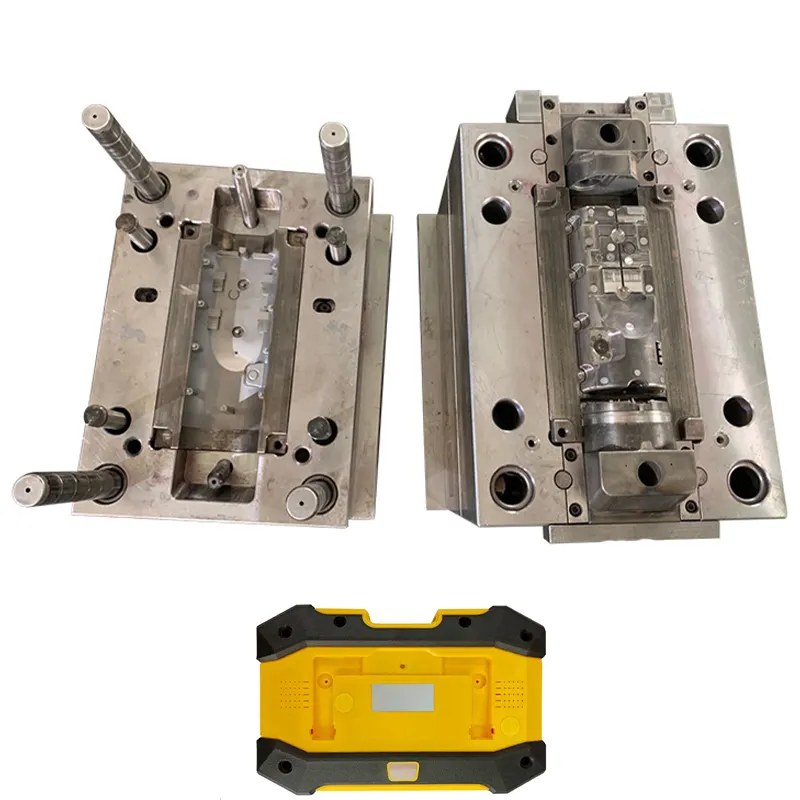
Injection mold design refers to the process of creating molds used in injection molding, a manufacturing technique where molten plastic is injected into a mold cavity to form specific shapes. Mold design encompasses various components such as mold bases, cavities, cooling systems, and ejection systems, all tailored to meet product specifications.
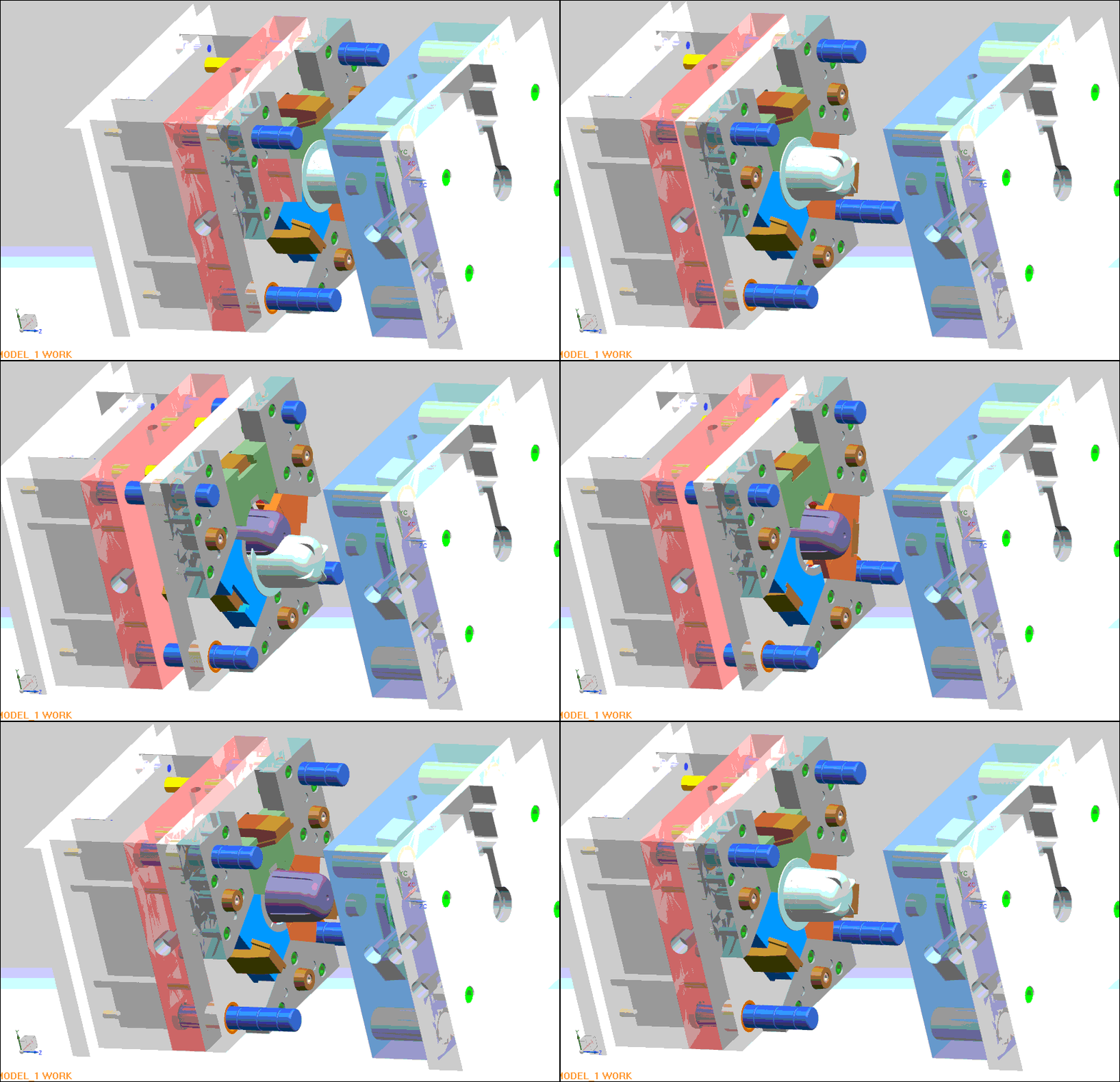
Key Objectives of Mold Design
- Getting precise dimensions of the finished product.
- Uniform cooling to prevent defects such as warping or shrinkage.
- Which makes the ejection of molded parts smooth.
- Optimizing the endurance over multiple production cycles.
Essential Principles of Injection Mold Design
1. Material Selection
Material selection of the mold and molded product influences performance. Mold materials can be common steel, aluminum, and alloys. Molded parts are commonly made of thermoplastics such as polypropylene, ABS , and polycarbonate.
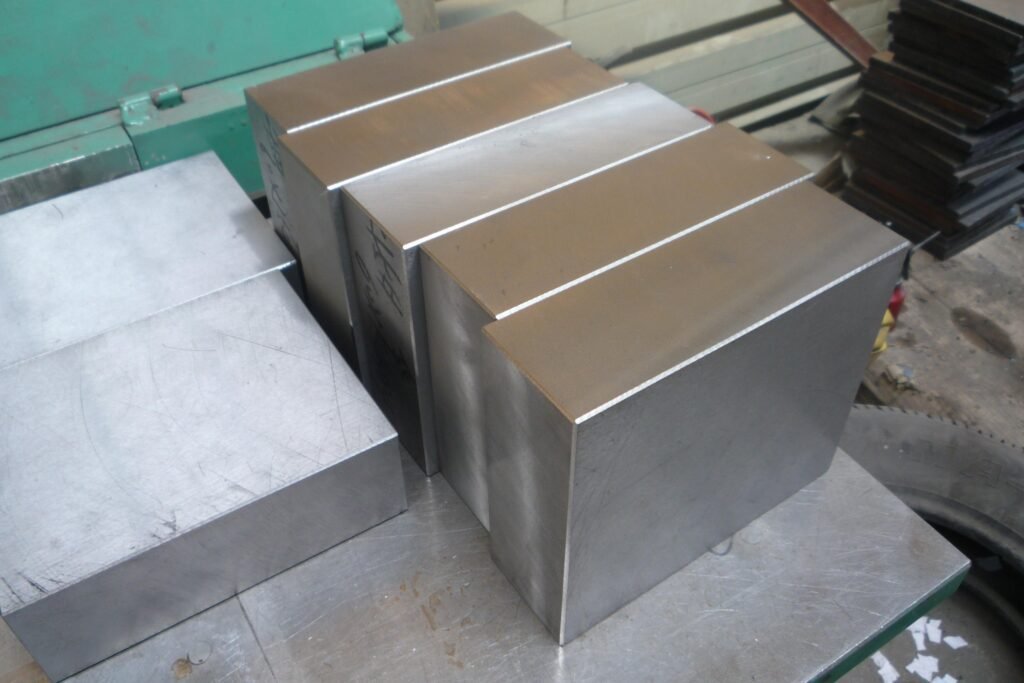
Key Considerations:
- Heat resistance and wear properties of mold material.
- Compatibility with the molten plastic’s thermal and mechanical properties.
2. Mold Layout and Parting Lines
The layout determines the mold’s efficiency and parting lines, where the two halves of the mold meet, influence the product’s appearance and functionality.
Best Practices:
- Position parting lines in inconspicuous areas.
- Ensure alignment for precision and reduced flash defects.
3. Gate Design
Gates are the entry points for molten plastic. Proper gate design ensures smooth flow and reduces pressure drop.
Common Gate Types:
- Edge Gate: Suitable for simple parts with uniform thickness.
- Pin gate: Review the runner arrangement, separation method, material and acceptable gate witness. Cavity count alone does not determine suitability.
- Hot-runner gating: Review resin compatibility, gate marks, maintenance, startup material and the complete tooling cost. A hot runner does not guarantee a shorter cycle.
4. Cooling System Optimization
Cooling accounts for the majority of the cycle time in injection molding. An optimized cooling system improves productivity and prevents defects.
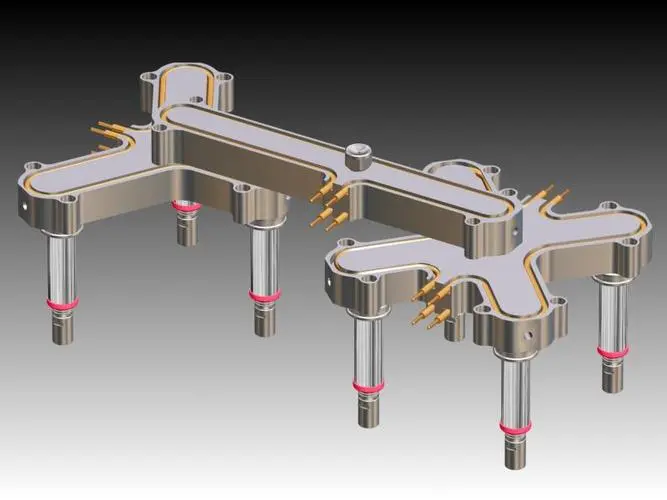
Techniques:
- Consider cooling access, channel placement and maintenance for the proposed construction; specialized channel methods need a separate feasibility review.
- Ensure uniform cooling across all cavities.
Common Challenges in Injection Mold Design
1. Warping and Shrinkage
Improper cooling or uneven material distribution can lead to warping. Address this by ensuring uniform cooling and avoiding sharp transitions in wall thickness.
2. Surface Finish Issues
Surface defects may arise from mold imperfections or improper venting. Use high-precision machining and design adequate venting channels.
3. Complex Geometries
Molds for intricate designs require advanced techniques like EDM (Electrical Discharge Machining) and mirror spark technology.
How to Design an Effective Injection Mold?
Step 1: Understand Product Requirements
Define the functional, cosmetic and assembly requirements using the released part CAD and dimensioned drawing. CAD views support review; any filling or cooling simulation needs suitable inputs and an engineering interpretation.
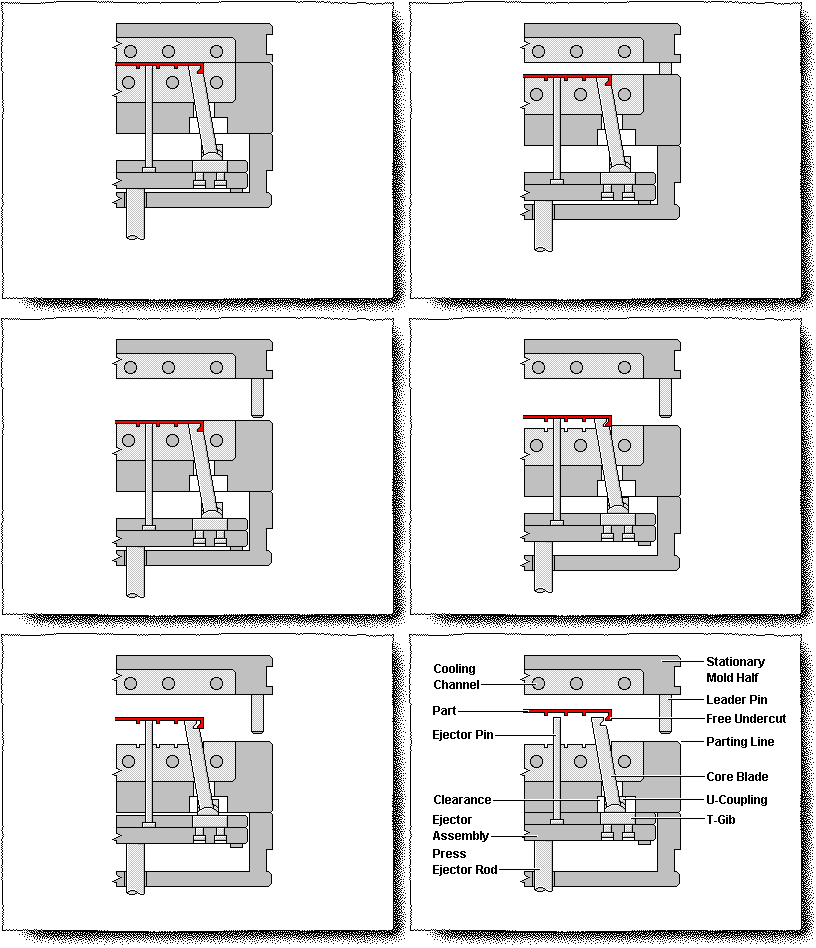
Step 2: Select the Right Mold Type
Depending on production volume and complexity, single-cavity, multi-cavity, or family molds are also available.
Step 3: Draft the Design
Select draft for the resin grade, surface texture, depth and ejection direction. Review any low-draft area with the tool designer; a universal angle is not suitable for every feature.
Step 4: Prototype and Test
Use prototypes to evaluate the questions they can answer, then review molded trial parts against the agreed specification. A machined or printed prototype does not by itself validate injection-molding shrinkage, appearance or tool release.
Step 5: Optimize for Manufacturing
Optimize mold design to decrease cycle times, improve longevity, and make servicing easier.
Injection Mold Design for Different Industries
1. Automotive
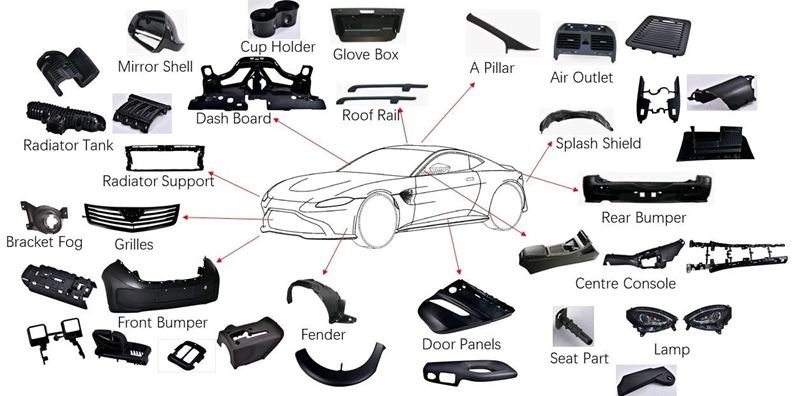
Components like dashboards and bumpers require high precision, so molds are needed. They often need specialized materials and complex designs.
2. Medical
However, medical-grade molds need to meet high standards for hygiene and biocompatibility, as well as characteristics such as high precision and a flawless finish.

3. Consumer Goods
For consumer products like toys and electronics, molds emphasize aesthetics, durability and cost efficiency.

Best Practices for Successful Mold Design
- Collaboration: Work hand-in-hand with product designers, material specialists, and manufacturers.
- Simulation Tools: Use software to predict flow patterns, cooling times, and potential defects.
- Regular Maintenance: Molds can be made conveniently so that they can be maintained for a longer time.
About BFY Mold
BFY Mold reviews part requirements, mold design, tooling and trial acceptance within the agreed project scope. Discuss mold making and the required records before authorizing manufacture.
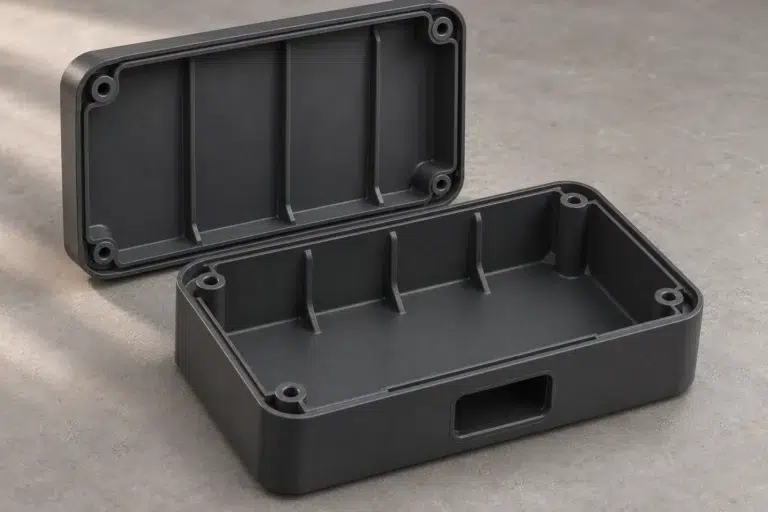
Illustrative DFM Review: A Plastic Enclosure
This planning example is not a customer case. For an enclosure with mounting bosses and a visible cover, turn each review concern into a decision and a verification requirement rather than selecting a universal dimension.
| Feature | Design decision to agree | Evidence to review |
|---|---|---|
| Cover and parting line | Appearance zones, shut-offs and permissible witness marks | Marked drawing and agreed appearance criteria |
| Mounting boss and rib | Wall transition, assembly load and access for ejection | Revised CAD, affected dimensions and assembly check |
| Gate and cooling arrangement | Entry location, visible surfaces and tool-construction constraints | Tool design review and trial observations against agreed requirements |
Record the concern, recommendation, affected revision, decision owner and how it will be checked. The injection mold design and DFM service is the commercial review route; the sample approval checklist supports the later release decision. Preserve the released data in a tooling handover register.