PPS is an advanced polymer characterized by a molecular structure consisting of alternating sulfur atoms and phenylene rings. This tightly packed, highly stable chemical structure is the secret behind its extreme performance.
In its pure, unfilled state, PPS can be somewhat brittle. Therefore, for injection molding applications, PPS is almost always compounded with reinforcing fillers—typically 30% to 40% glass fibers (GF) or mineral fillers. When reinforced, PPS plastic transforms into a structural powerhouse that rivals the strength of aluminum while weighing significantly less.
Key Properties of PPS Plastic
Why do engineers specify PPS for critical applications? Here is a breakdown of its B2B engineering data:
Technical Property Highlights
| Property | Typical Value (40% Glass-Filled PPS) | Engineering Advantage |
| Continuous Use Temp (CUT) | Up to 200°C – 240°C (392°F – 464°F) | Can operate indefinitely in high-heat environments without degrading. |
| Melting Point | Approx. 285°C (545°F) | Withstands brief exposures to extreme heat (e.g., SMT soldering). |
| Chemical Resistance | Outstanding | No known organic solvent can dissolve PPS at temperatures below 200°C. Highly resistant to automotive fuels, acids, and bases. |
| Flame Retardancy | UL94 V-0 | Inherently flame retardant without the need for toxic halogen additives. |
| Moisture Absorption | < 0.05% | Incredible dimensional stability; parts will not swell or warp in high humidity or submerged environments. |
PPS Injection Molding: Processing Parameters and Challenges
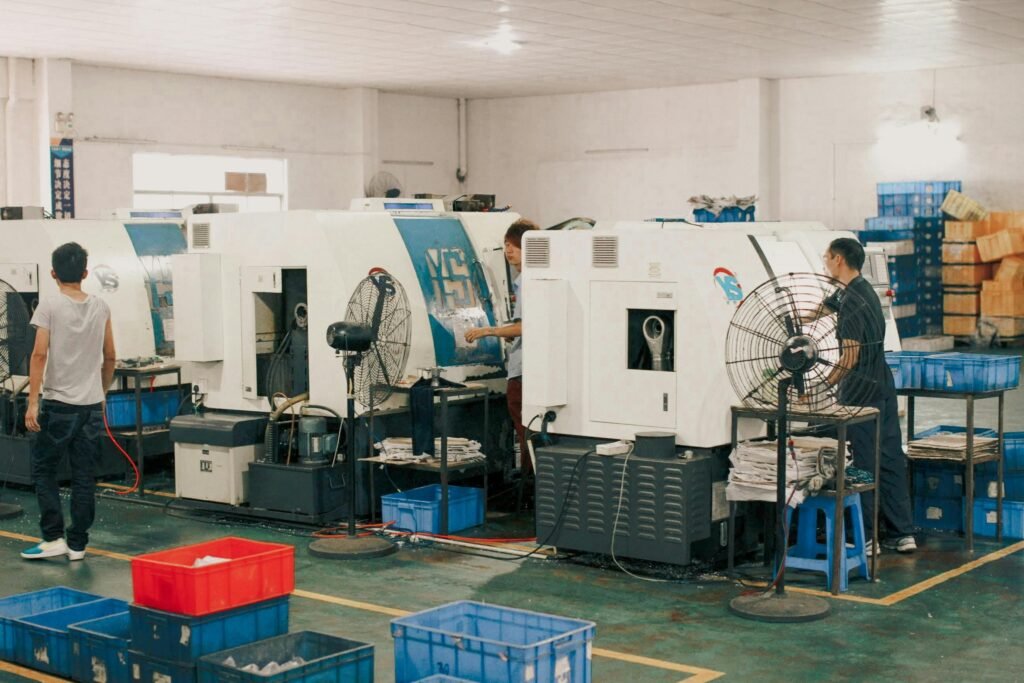
Molding PPS is not for amateurs. Because of its ultra-high melting point and semi-crystalline nature, it requires specialized injection molding machines, highly controlled thermal management, and robust tooling.
Here are the critical processing guidelines for PPS plastic:
1. High Melt and Mold Temperatures
To achieve maximum strength and dimensional stability, PPS must reach a high level of crystallization during the molding process.
- Melt Temperature: The barrel temperature must be set between 300°C and 340°C.
- Mold Temperature (CRITICAL): The mold itself must be heated to 130°C to 150°C using specialized hot oil temperature controllers. If the mold is too cold (below 90°C), the PPS will not fully crystallize, resulting in a part that is brittle, dimensionally unstable, and lacking its signature high-heat resistance.
2. Drying Requirements
While PPS absorbs very little moisture, the glass fibers and additives compounded with it can trap surface condensation. To prevent voids, splay marks, or drooling at the nozzle, PPS must be thoroughly dried in a desiccant dryer at 140°C for 3 to 4 hours prior to molding.
3. Tooling Considerations for PPS
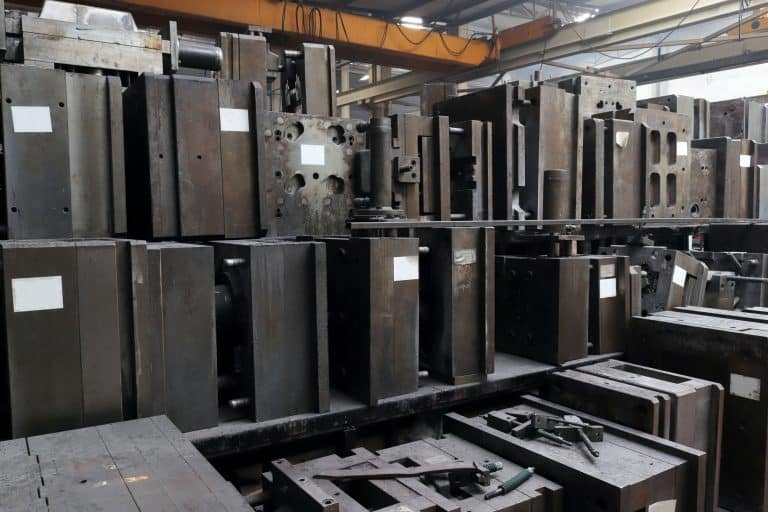
Because PPS is injected at very high temperatures and is heavily loaded with abrasive glass fibers, standard P20 steel molds will be destroyed quickly.
- Tooling for PPS must be machined from high-grade, hardened tool steel (such as H13 or S136 hardened to 48-52 HRC).
- Proper venting is critical, as the high injection speeds required to prevent premature freezing can lead to trapped air and severe burn marks (diesel effect).

Typical Applications for PPS Plastic
By bridging the gap between standard engineering plastics and expensive metal alloys, PPS is highly sought after in the following industries:
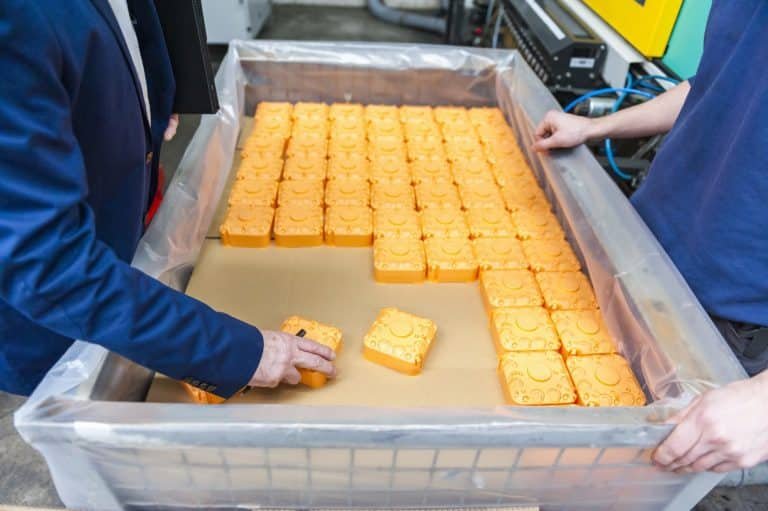
- Automotive: Thermostat housings, water pump impellers, fuel injection system components, and electric vehicle (EV) battery insulators.
- Electronics & Electrical: Connectors, bobbins, sockets, and switches that must survive the intense heat of Surface Mount Technology (SMT) wave soldering processes.
- Industrial & HVAC: Chemical pump housings, boiler sensors, and valves exposed to corrosive fluids and steam.
Replacing Metal with PPS: The Weight and Cost Advantage
One of the biggest trends in modern manufacturing is metal replacement. Heavy, die-cast aluminum, zinc, or brass parts require extensive post-machining to remove flash and cut threads.
By utilizing PPS plastic injection molding, engineers can consolidate multiple metal parts into a single, complex plastic component. This eliminates secondary machining, provides excellent corrosion resistance (unlike metals that rust), and reduces the overall weight of the part by up to 50%—a critical metric for automotive fuel efficiency and aerospace payloads.
Expert High-Temperature Molding at BFY Mold
Successfully manufacturing PPS plastic components requires top-tier equipment and uncompromising quality control. At BFY Mold, we have the technology and the expertise to handle extreme-performance polymers.
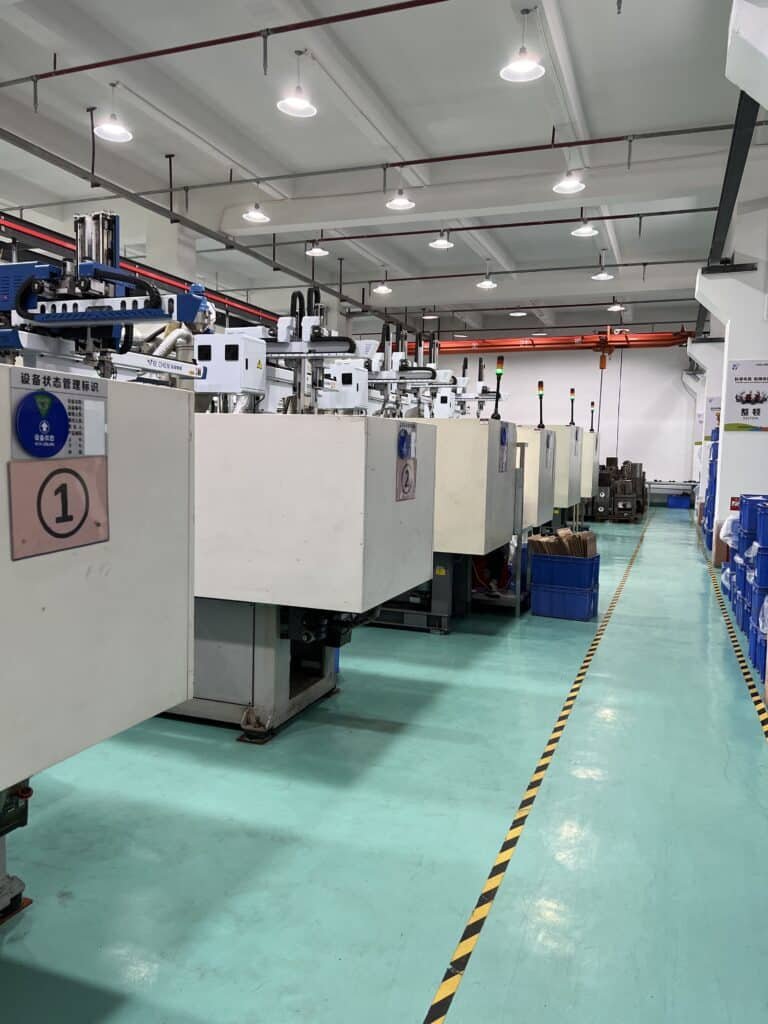
- Advanced Equipment: Our injection molding machines are equipped with high-temperature barrels and advanced oil-heating units capable of maintaining the strict 150°C mold temperatures required for perfect PPS crystallization.
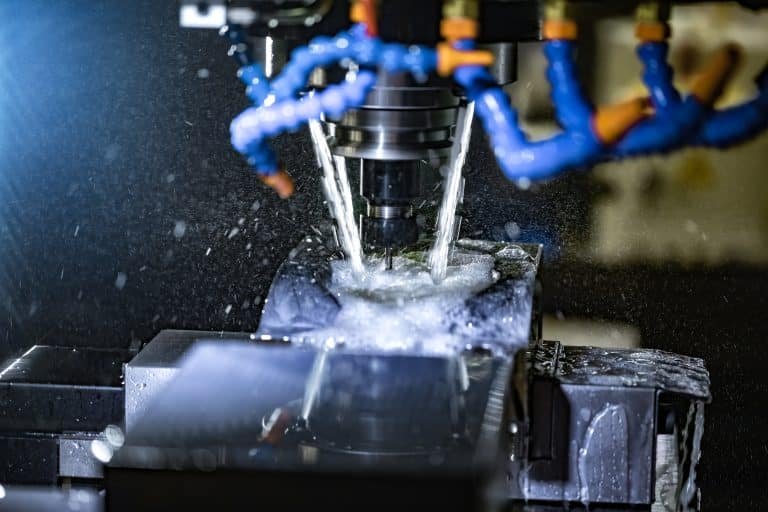
- Hardened Tooling: Our in-house CNC facility specializes in machining SPI Class 101 hardened steel molds (±0.05mm tolerances) designed to withstand the abrasive nature of 40% glass-filled PPS.
- Insert Molding Capabilities: Need threads in your high-temp part? We offer expert insert molding, seamlessly integrating brass or stainless steel threads into your PPS components.
Frequently Asked Questions (FAQ)
Q1: Is PPS plastic toxic?
No. In its finished, solid state, PPS is non-toxic and extremely stable. It is highly resistant to bacterial growth and is often used in medical and food-processing equipment where aggressive steam sterilization (autoclaving) is required.
Q2: What is the shrinkage rate of PPS?
The shrinkage rate of glass-filled PPS is generally very low, but it is anisotropic (it shrinks differently depending on the direction of the plastic flow). Typically, it shrinks about 0.2% to 0.4% in the flow direction and 0.5% to 0.8% in the transverse direction. Precise Moldflow analysis is required during DFM to ensure tight tolerances.
Q3: Can PPS be ultrasonically welded?
Yes, PPS can be ultrasonically welded, but it requires higher amplitude and power compared to softer plastics like ABS. Designing precise energy directors on the mating parts is critical for a strong weld.
Engineer Your Next High-Performance Part
If your product must survive where other plastics fail, PPS is the answer. Let our engineering team help you navigate the complexities of high-temperature injection molding.
[Contact BFY Mold Today] – Upload your CAD designs for a free DFM review. We will evaluate your metal-to-plastic conversion projects and provide a detailed tooling quote within 24 hours.