Mastering low pressure overmolding is an essential skill for modern hardware engineers tasked with protecting delicate printed circuit boards (PCBAs), sensors, and wire harnesses. When designing waterproof electronics or ruggedized industrial cables, choosing the right encapsulation method dictates not only the product’s survival in the field but also your upfront tooling budget.
Many design teams mistakenly attempt to use traditional injection molding (2K molding) to encapsulate fragile electronics, resulting in crushed components, melted solder joints, and massive scrap rates. Conversely, reverting to traditional epoxy potting introduces agonizingly slow curing times that bottleneck mass production.
In this advanced Design for Manufacturing (DFM) guide, we will dissect the engineering differences between low pressure overmolding (LPM) and traditional overmolding, analyze the real-world tooling costs, and provide expert troubleshooting tips directly from the factory floor.
The Engineering Reality: Why Traditional Molding Destroys Electronics
Traditional overmolding—often using materials like Thermoplastic Polyurethane (TPU) or Thermoplastic Rubber (TPR)—is excellent for adding ergonomic grips to rigid plastic housings (like power tools). However, it is fundamentally incompatible with bare electronics.
Here is why traditional injection molding fails for PCBA encapsulation:
- Extreme Injection Pressures: Standard molding machines inject highly viscous molten plastics at pressures ranging from 500 to 1,500+ bar. This immense hydraulic force creates shear stress that easily snaps delicate FR4 boards, shears off Surface Mount Devices (SMDs), and crushes glass diodes.
- Thermal Shock: Engineering grade thermoplastics require melt temperatures between 190°C and 250°C. Exposing a bare PCBA to these temperatures can reflow or weaken standard solder pastes, causing hidden electrical shorts or intermittent failures.
The Solution: The Mechanics of Low Pressure Overmolding
Low pressure overmolding was developed specifically to solve the aforementioned problems. Instead of standard plastic resins, LPM utilizes specialized, high-performance polyamide or polyolefin hot melt adhesives.
1. Ultra-Low Processing Parameters
Because polyamides have a very low viscosity (they flow like warm syrup rather than thick paste), they can be injected into a mold cavity at incredibly gentle pressures—typically between 1.5 and 40 bar. The material temperature is also kept relatively low (around 180°C to 210°C), and because the injection cycle is so fast, the PCBA experiences almost zero thermal shock.
2. Chemical Bonding vs. Mechanical Interlocking
Traditional overmolding often relies on mechanical interlocks to keep the soft material attached to a rigid substrate. In contrast, the polyamide adhesives used in LPM are formulated to form a watertight chemical bond with common electronic substrates, including FR4 circuit boards, copper wires, and PVC/PUR cable jackets. This chemical adhesion is how LPM easily achieves IP67 and IP68 waterproof ratings.
B2B Engineering Data: Process Comparison
| Manufacturing Metric | Low Pressure Overmolding (LPM) | Traditional Overmolding (2K / TPU) | Traditional Epoxy Potting |
| Ideal Target Substrate | Bare PCBAs, exposed sensors, wire connectors | Rigid plastic housings (ABS, PC), metal inserts | Bare PCBAs inside a rigid plastic shell |
| Operating Pressure | 1.5 – 40 bar (Gentle flow) | 500 – 1,500+ bar (High shear stress) | Gravity poured (Zero pressure) |
| Cycle Time (Curing) | 10 – 60 seconds | 15 – 60 seconds | 2 – 24 hours |
| Tooling Material | Aluminum Molds | Hardened Steel (P20, H13) | No mold required (uses the product housing) |
| Tooling Cost & Lead Time | Very Low / Fast (1-2 weeks) | High / Slow (3-6 weeks) | N/A |
(Note for publishing: Insert an image here comparing a bare PCBA perfectly encapsulated via LPM next to a crushed/failed board attempted with high-pressure molding.)
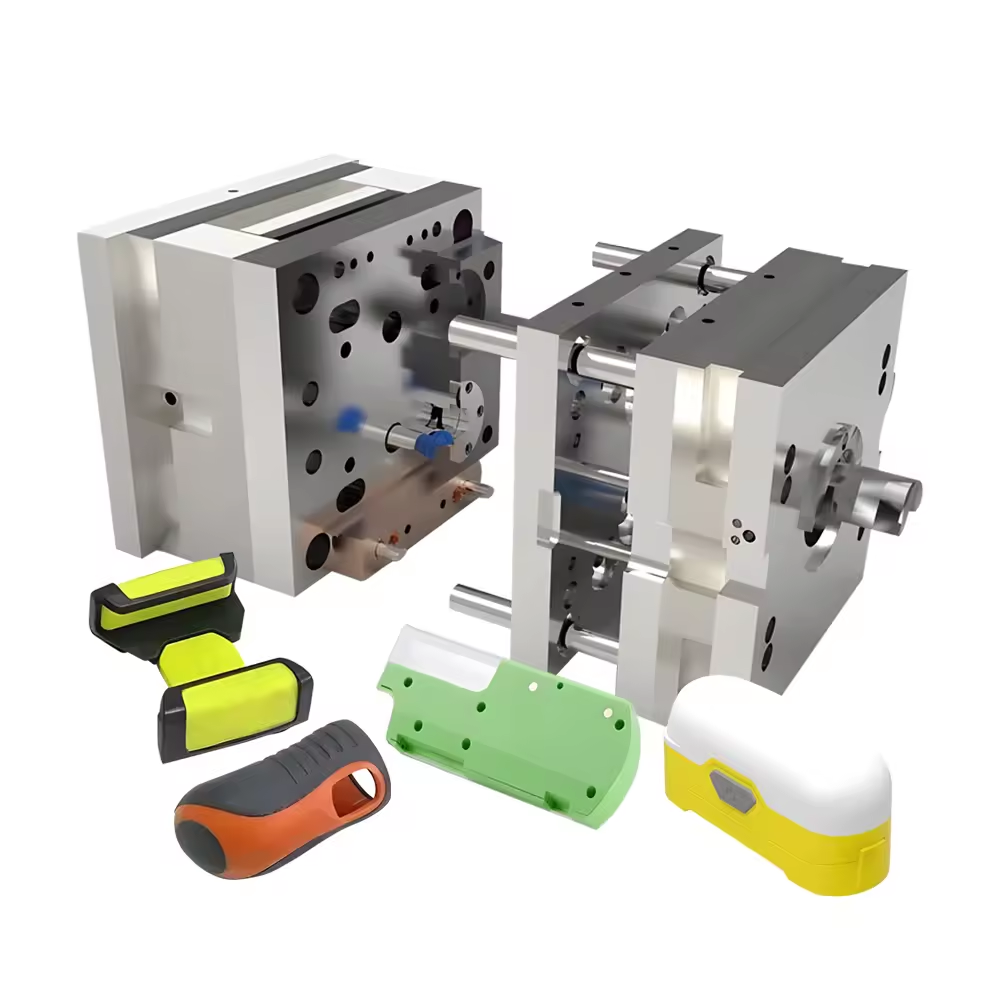
Why Traditional Molding Destroys Bare Electronics
Traditional overmolding is fantastic for adding a shock-absorbing TPU bumper to a ruggedized smartphone case or a soft TPR grip to a drill handle. (For a deep dive into choosing between these materials, see our guide on [TPR vs. TPU]).
However, it is incompatible with bare electronics.
- The Pressure Problem: Standard injection molding forces highly viscous molten plastic into a cavity at pressures often exceeding 1,000 bar. If you place a bare printed circuit board (PCBA) in this environment, the immense hydraulic shear force will instantly snap FR4 boards, rip off Surface Mount Devices (SMDs), and crush delicate glass diodes.
- The Heat Problem: Engineering plastics require melt temperatures of 190°C to 250°C. Exposing a PCBA to this extreme heat can reflow solder pastes, causing hidden electrical shorts.
When to Choose Low Pressure Overmolding
You should specify low pressure overmolding when your project requires direct encapsulation of sensitive, fragile components without the need for an external hard plastic shell.
LPM solves the pressure and heat problems by utilizing high-performance hot melt adhesives. Because these adhesives have a very low viscosity (they flow like a liquid rather than a paste), they can be injected at exceptionally low pressures (under 40 bar).
Ideal Applications for LPM:
- Direct PCBA Encapsulation: Waterproofing a bare circuit board without the bulk of a separate plastic enclosure.
- Wire Harness Strain Relief: Creating heavy-duty, IP68-rated seals where cables meet connectors, ensuring the wires cannot be pulled out under tension.
- Replacing Slow Epoxy Potting: If you are currently waiting 24 hours for traditional potting compounds to cure, LPM can reduce your encapsulation cycle time to mere seconds.
When to Choose Traditional Overmolding
Specify traditional overmolding (2K molding) when your electronic components are already safely enclosed inside a rigid plastic shell, and your goal is to enhance the exterior ergonomics, impact resistance, or aesthetics.
Ideal Applications for Traditional Overmolding:
- Consumer Electronics: Overmolding a soft, non-slip silicone or TPU layer onto a hard polycarbonate medical device housing.
- Hand Tools: Creating comfortable, vibration-dampening grips on automotive tools.
- Complex Two-Tone Designs: Manufacturing products that require distinct rigid and flexible sections molded together permanently without adhesives.
The Hidden Economics: Aluminum vs. Steel Tooling
One of the most significant, yet rarely discussed, advantages of low pressure overmolding is the dramatic reduction in tooling costs.
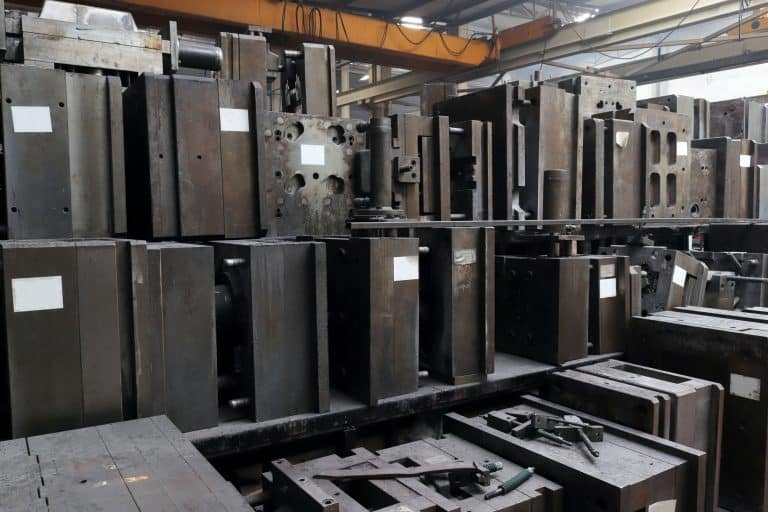
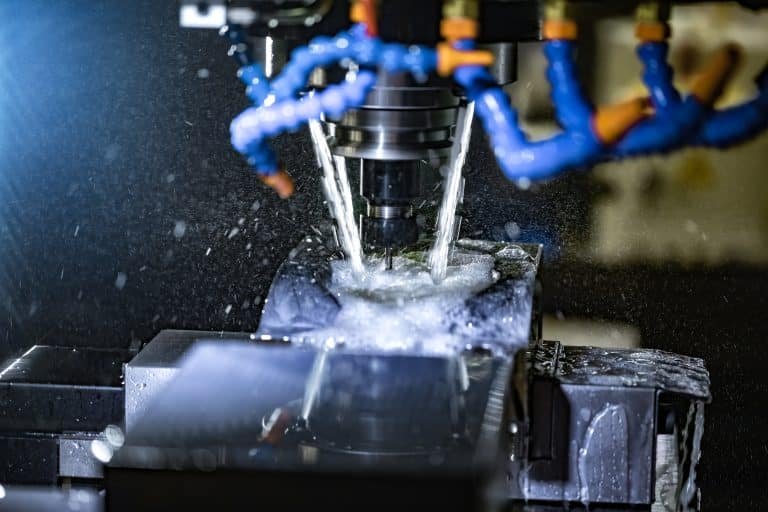
Because the injection pressures in LPM rarely exceed 40 bar, the mold does not need to withstand thousands of tons of clamping force. Therefore, LPM molds are almost exclusively CNC machined from high-grade Aluminum (such as 7075 or 6061) rather than expensive, hardened P20 or H13 tool steel.
- Faster Machining: Aluminum can be milled up to 3 times faster than steel, drastically reducing machine hours and cutting tool wear.
- Excellent Thermal Conductivity: Aluminum dissipates heat faster than steel. This allows the molten polyamide to cool and solidify rapidly, keeping your per-part cycle time exceptionally short.
- The Result: LPM tooling often costs 50% to 70% less than a comparable traditional injection mold, making it highly viable for both low-volume prototyping and mass production.
Advanced DFM: Troubleshooting LPM Defects
While low pressure overmolding is a highly reliable process, poor mold design or material handling can lead to rejected parts. Here are two critical failure modes we frequently troubleshoot at BFY Mold:
Defect 1: Voids and Air Bubbles
Because the injection pressure is so low, trapped air cannot be forcefully compressed out of the cavity. If the mold lacks precise venting, or if the gate is placed incorrectly, air pockets will form around the PCBA components.
- The Fix: Our engineers utilize advanced Moldflow analysis to place the injection gate at the lowest point of the cavity and design micro-vents (typically 0.02mm deep) at the highest points, allowing air to escape without material flashing.
Defect 2: Poor Adhesion / Delamination
Polyamide adhesives are highly hygroscopic (they absorb moisture from the air). If the raw material is not adequately dried before molding, the moisture turns into steam during injection, creating micro-bubbles at the bonding interface and destroying the IP68 waterproof seal.
- The Fix: At BFY Mold, we strictly control the moisture content of our polyamides using industrial desiccant dryers and ensure all PCBAs are pre-heated and free of flux residue before they enter the mold.
Protect Your Hardware with BFY Mold
Do not let improper encapsulation processes jeopardize your electronic hardware. You need a manufacturing partner who understands both the intricacies of PCBA handling and the complex fluid dynamics of injection molding.
At BFY Mold, we bridge the gap between electronics and plastics.
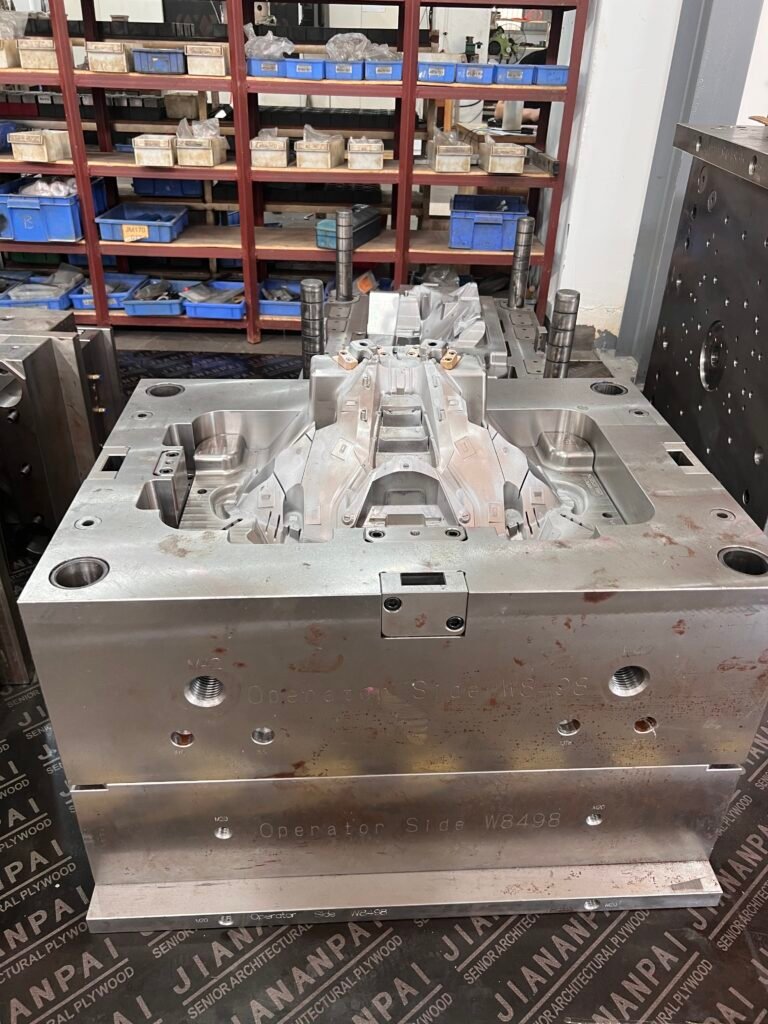
- In-House Aluminum Tooling: We design and machine our own high-precision aluminum molds, ensuring rapid lead times and tight tolerances around your delicate components.
- End-to-End Encapsulation: From sourcing certified, flame-retardant (UL94 V-0) polyamide materials to final IP-rating water submersion testing, we offer a complete turnkey solution for your wire harnesses and sensors.
Are you ready to transition from slow epoxy potting to high-speed encapsulation?
[Submit Your CAD Files Today] – Our engineering team will review your PCBA layouts, provide a free DFM assessment, and deliver a transparent tooling and production quote within 24 hours.