Thermoplastic Rubber (TPR) is one of the most versatile materials in modern manufacturing. Because it combines the soft, tactile feel of vulcanized rubber with the high-speed processing efficiency of plastic injection molding, TPR is heavily used in everything from ergonomic power tool grips to medical devices, pet toys, and baby products.
However, as global regulations tighten and consumers become increasingly conscious of the chemicals in their everyday products, product designers and procurement managers frequently ask a critical question before selecting a material: Is Thermoplastic Rubber (TPR) safe?
In this comprehensive engineering and compliance guide, we will examine the chemical composition of TPR, evaluate its safety profile across various regulatory standards (such as FDA and RoHS), and explain why sourcing certified TPR from a trusted injection molder is critical to your product’s success.
The Chemical Reality: Is TPR Toxic?
The short answer is No. Standard, high-quality TPR is non-toxic and generally recognized as safe. To understand why, we must look at how it is made. As we discussed in our engineering guide on [What is TPR Material?], Thermoplastic Rubber is a physical blend—typically composed of a styrene-block copolymer (like SBS or SEBS) mixed with a thermoplastic resin (like Polypropylene).
Unlike traditional thermoset rubbers or flexible PVC (Polyvinyl Chloride), TPR achieves its flexibility mechanically through its polymer structure, rather than relying on heavy chemical additives.
The “Free-From” Advantage of TPR
High-quality TPR is inherently safe because it is completely free from the most controversial chemical compounds found in older flexible plastics:
- BPA-Free: TPR does not contain Bisphenol A, a chemical notorious for disrupting the endocrine system.
- Phthalate-Free: Unlike PVC, which often requires toxic phthalate plasticizers to remain soft, TPR requires no phthalates.
- Latex-Free: TPR is a synthetic polymer, meaning it contains none of the natural rubber proteins that cause severe latex allergies in humans.
- Heavy Metal-Free: Premium TPR compounds do not use lead, cadmium, or mercury-based stabilizers.
TPR Safety by Industry Application
While standard TPR is safe for general handling (e.g., a screwdriver handle or a bicycle grip), specific industries demand specialized grades of TPR that have passed rigorous independent testing.
B2B Compliance Data: TPR Material Grades
| Application Area | Required Certification / Standard | What it Tests For | Safety Status |
| General Consumer Goods | RoHS, REACH (Europe) | Restricts heavy metals, PBBs, and SVHCs (Substances of Very High Concern). | Safe |
| Skin Contact / Wearables | ISO 10993 (Biocompatibility) | Tests for skin irritation, sensitization, and cytotoxicity. | Highly Safe (Hypoallergenic) |
| Food Contact (Kitchenware) | FDA 21 CFR 177.1810 / LFGB (EU) | Ensures no harmful chemicals migrate from the plastic into food or liquids. | Safe (Must specify Food-Grade TPR) |
| Children’s Toys & Pet Toys | ASTM F963 (US) / EN71 (Europe) | Tests for soluble heavy metals and mechanical safety (choking hazards). | Safe (Must specify Toy-Grade TPR) |
Environmental Safety and Sustainability
Material safety is not just about human health; it also encompasses the environmental impact of the manufacturing process.
1. 100% Recyclable
Traditional vulcanized rubber (like car tires) undergoes an irreversible chemical change. Once formed, it cannot be melted down and reused. TPR, being a true thermoplastic, can be melted, injection molded, cooled, and then ground up and remelted again. At BFY Mold, sprue runners and defect parts are reground and recycled, ensuring zero material waste.
2. Zero VOC Emissions During Molding
During the injection molding process, TPR is heated to temperatures between 160°C and 200°C. Unlike PVC, which can release toxic chlorine gas if overheated, high-quality TPR emits Zero VOCs (Volatile Organic Compounds), ensuring a safe breathing environment for factory workers and leaving no toxic residue on the final product.
The Hidden Risk: When Can TPR Be Unsafe?
If TPR is inherently safe, why do some cheap rubber products smell terrible or cause skin irritation? The danger lies in the supply chain.
If a manufacturer uses low-grade TPR—often formulated using unverified recycled scrap plastic—the material may be contaminated with unknown chemical additives, cheap industrial oils, or non-compliant colorants. This results in products that outgas pungent chemical odors or fail RoHS/REACH compliance testing.
Why Source Your TPR Components from BFY Mold?
Ensuring the safety of your flexible plastic components requires partnering with an injection molding manufacturer that strictly controls its material sourcing.
At BFY Mold, quality and compliance are engineered into every step of our process:
- Certified Material Sourcing: We only purchase virgin TPR resins from globally recognized suppliers. Whether you need an FDA-compliant food-grade TPR for a kitchen utensil or a medical-grade TPR for a surgical instrument grip, we provide full Material Safety Data Sheets (MSDS) and compliance certificates.
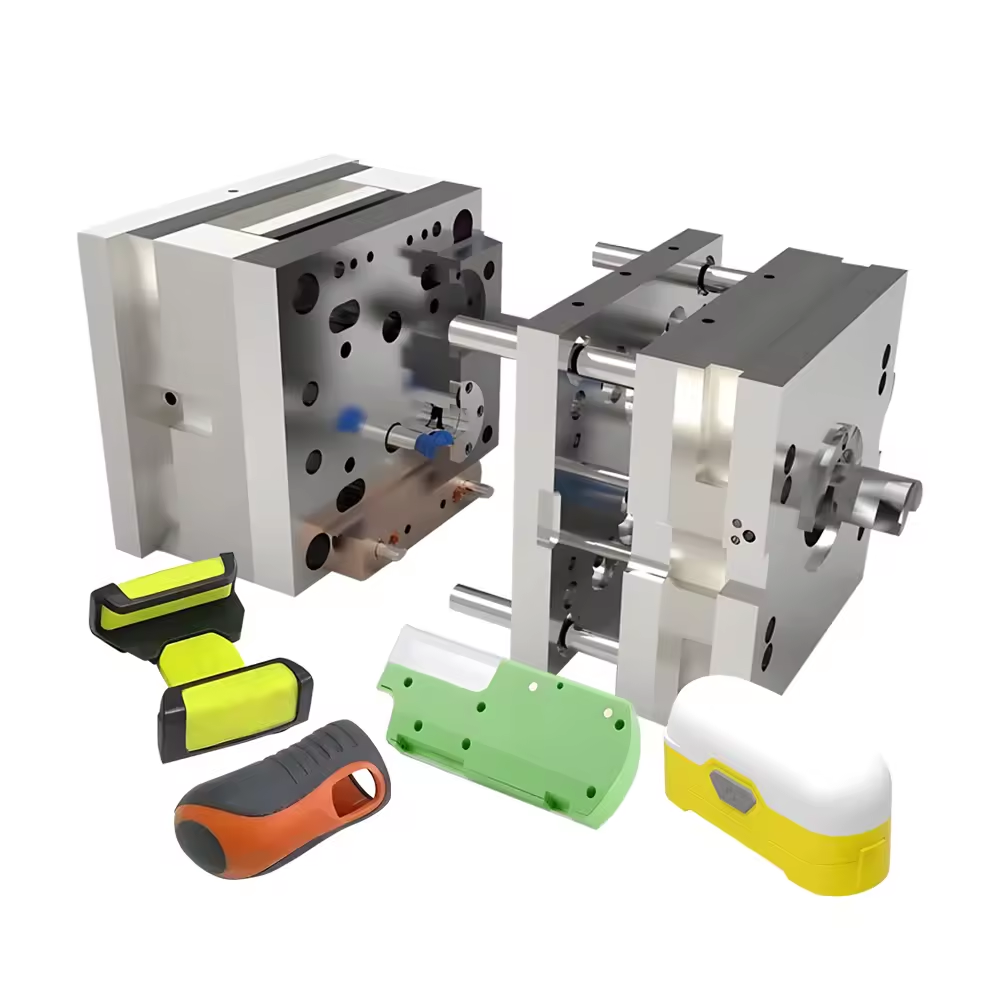
- Expert Overmolding (2K Molding): We specialize in overmolding soft TPR onto rigid plastics like PP and ABS. Our engineers ensure that both the rigid substrate and the flexible overmold meet your strict safety and environmental requirements.
- ISO-Certified Quality Control: Our facility operates under strict ISO standards, ensuring cross-contamination is impossible and dimensional tolerances are held to ±0.05mm.
Frequently Asked Questions (FAQ)
Q1: Does TPR material smell toxic?
High-quality virgin TPR is virtually odorless. If a new TPR product emits a strong, pungent, or “skunky” chemical smell, it is usually a sign of cheap, low-grade material contaminated with low-quality extender oils.
Q2: Is TPR safe for dogs and pets?
Yes. TPR is widely considered the safest material for dog chew toys. It is highly durable, non-toxic, BPA-free, and unlike cheap rubber toys, it will not poison a dog if a small piece is accidentally swallowed.
Q3: Can TPR be sterilized?
It depends on the grade. Standard TPR begins to soften around 70°C to 80°C and cannot survive the extreme heat of a steam autoclave (121°C). For applications requiring strict sterilization, a high-heat resistant [TPU (Thermoplastic Polyurethane)] or medical-grade silicone is usually recommended.
Build Safe Products with Confidence
Do not risk your brand’s reputation or face expensive product recalls due to non-compliant materials. Partner with the experts in flexible plastic injection molding.
[Contact BFY Mold Today] – Send us your CAD designs and regulatory requirements. Our engineering team will recommend the perfect, certified TPR grade for your project and provide a free DFM review within 24 hours.