When launching a new hardware product or shifting manufacturing strategies, the most common and critical question procurement managers ask is: “What is the total injection molding cost for my project?”
Unfortunately, the answer is rarely a simple flat rate. Plastic injection molding requires a significant upfront capital expenditure for the steel mold, followed by variable costs for the actual production of the parts. Understanding how these expenses are calculated is the first step to optimizing your budget and maximizing your Return on Investment (ROI).
In this comprehensive 2026 pricing guide, we will break down the three primary components of injection molding cost—Tooling, Material, and Production—and provide actionable Design for Manufacturing (DFM) tips to help you reduce your overall expenses.
The 3 Pillars of Injection Molding Cost
To accurately estimate your manufacturing budget, you must divide the costs into three distinct categories:
- Tooling Costs (Capital Expenditure): The one-time cost to CNC machine the steel or aluminum mold.
- Material Costs (Variable): The price of the raw plastic resin pellets.
- Production Costs (Variable): The machine time, labor, and overhead required to inject, cool, and eject the parts.
Factor 1: Tooling Costs (The Upfront Investment)
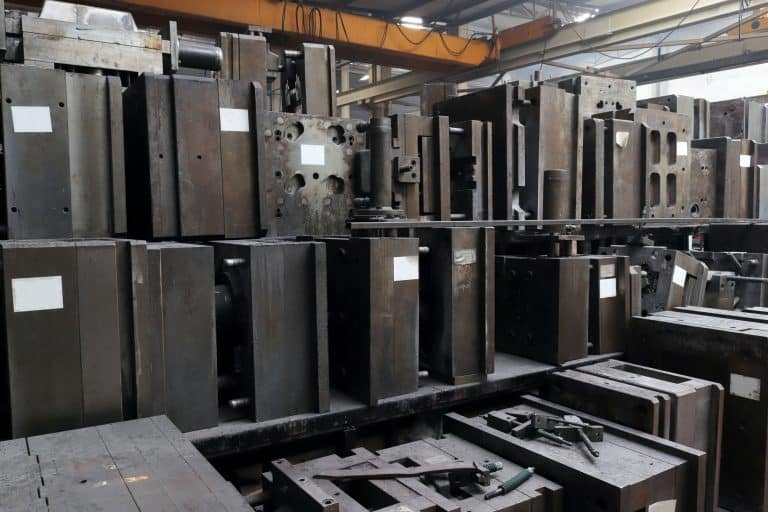
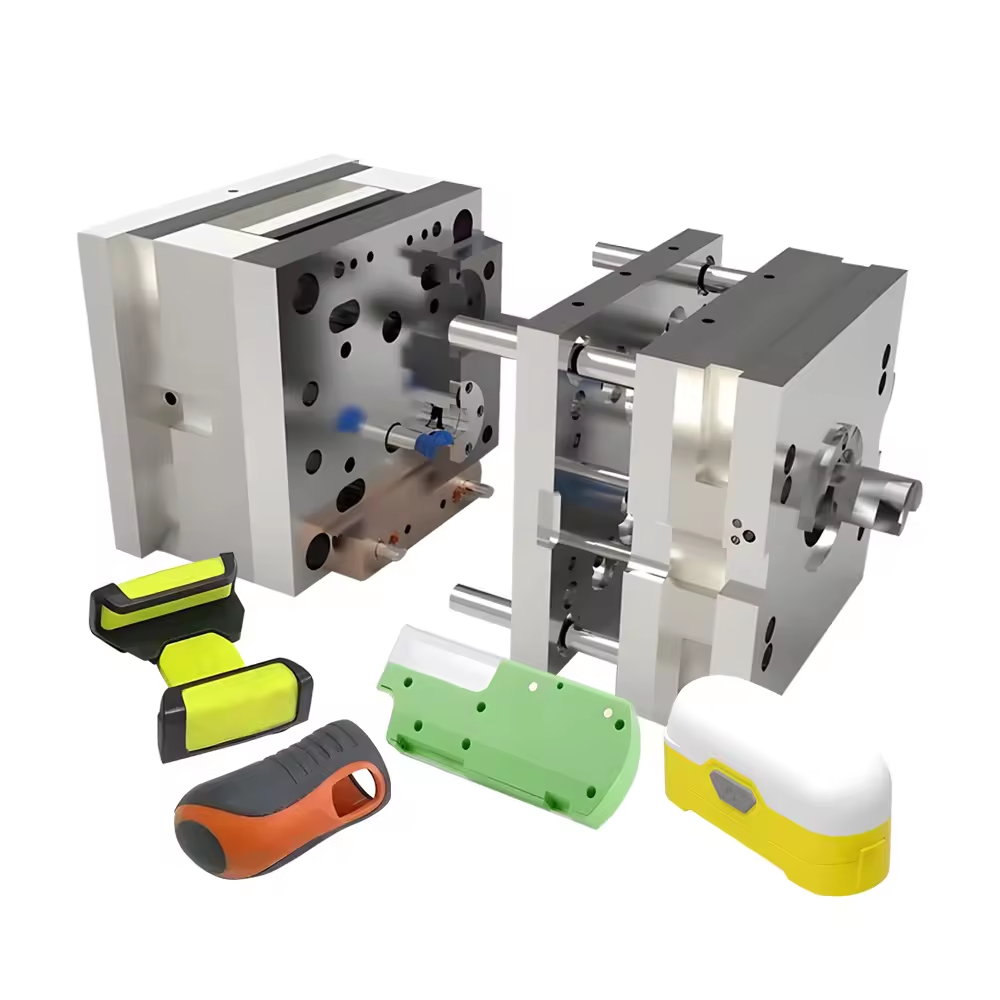
Tooling is the most significant upfront expense in plastic manufacturing. A mold is a highly complex, precision-machined piece of equipment. Its price is dictated by the part’s complexity, the mold’s size, and the type of mould steel used.
B2B Engineering Data: Estimated Tooling Costs by Complexity
| Tooling Type & Complexity | Typical Cavities | Expected Tool Life (Shots) | Estimated Cost Range (USD) | Best Used For |
| Simple Aluminum Prototype Mold | 1 | 1,000 – 10,000 | $1,500 – $4,000 | Rapid prototyping, market testing |
| Low-Volume Production (P20 Steel) | 1 – 2 | 100,000 – 300,000 | $3,000 – $8,000 | Simple enclosures, low-volume consumer goods |
| High-Volume Production (H13 Steel) | 4 – 8+ | 1,000,000+ | $10,000 – $35,000+ | Mass production, abrasive materials (e.g., Glass-filled Nylon) |
| Complex Multi-Action Molds | Varies | 500,000+ | $15,000 – $50,000+ | Parts with threads, undercuts, or Overmolding (2K) |
(Note: These are industry averages. Exact costs depend heavily on part geometry and tolerance requirements.)
Why is Tooling So Expensive?
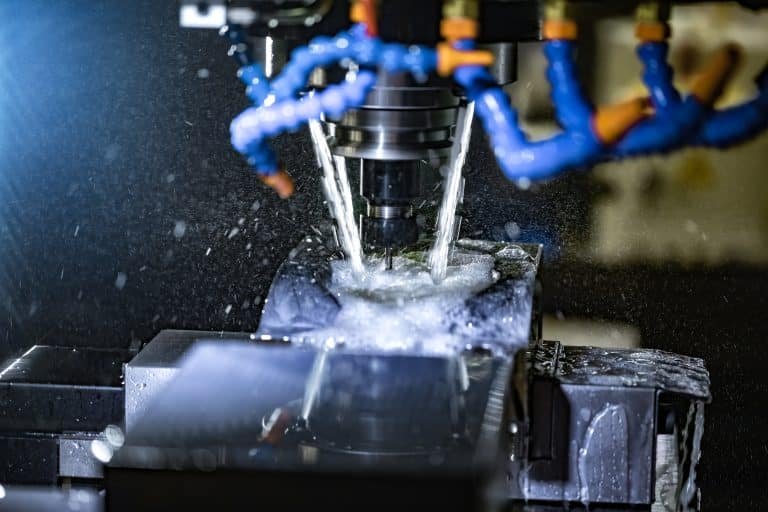
Creating a mold requires state-of-the-art 5-axis CNC machining, EDM (Electrical Discharge Machining), and hundreds of hours of expert engineering. Precision is non-negotiable; even a 0.05mm error can result in severe molding defects like flash or dimensional warping.
Factor 2: Material Costs (Choosing Your Resin)
The second factor influencing your total injection molding cost is the raw material. Plastic pellets are purchased by weight (per kilogram or pound). The material you select is entirely dependent on your product’s performance requirements.
- Commodity Plastics (Low Cost): Materials like Polypropylene (PP), Polyethylene (PE), and Polystyrene (PS) are extremely affordable and easy to process. They are ideal for packaging, disposable items, and basic consumer goods.
- Engineering Plastics (Medium Cost): Materials such as ABS, Polycarbonate (PC), and Nylon (PA) offer superior impact resistance, thermal stability, and structural integrity. They cost slightly more but are mandatory for power tools, automotive parts, and electronics housings.
- Specialty & Flexible Plastics (Higher Cost): High-performance materials like TPU, TPR, PEEK, or Medical-Grade resins command a premium price due to their specialized properties (e.g., extreme chemical resistance, biocompatibility, or soft-touch ergonomics).
Factor 3: Production Cost (Cycle Time & Cavitation)
Production cost is the price you pay for every single part that comes out of the machine. It is calculated based on machine hourly rates, labor, and most importantly, Cycle Time.
Cycle Time is the total time it takes for the machine to close the mold, inject the plastic, cool it down, open the mold, and eject the part.
- If your part takes 20 seconds to mold, you can produce 180 parts per hour.
- If a thick-walled part takes 60 seconds to cool and mold, you can only produce 60 parts per hour.
- The longer the cycle time, the higher the injection molding cost per part.
The Power of Multi-Cavity Molds:
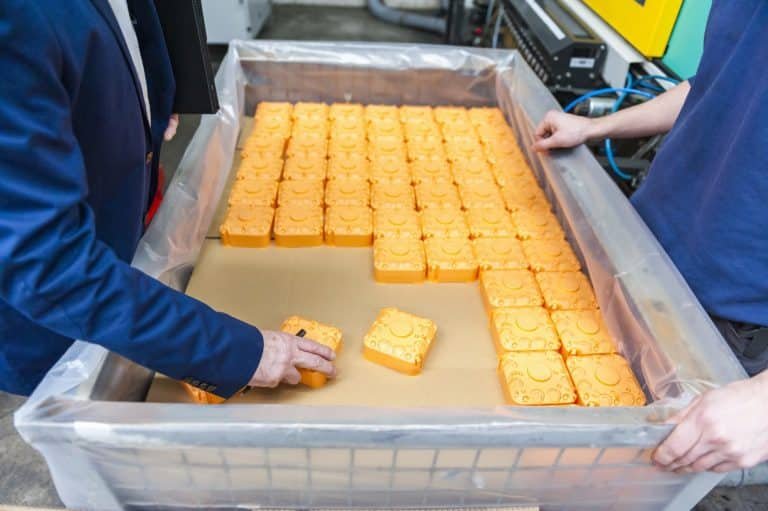
If you need millions of parts, investing in a multi-cavity mold (e.g., an 8-cavity mold) allows you to produce 8 parts in a single 20-second cycle. While the upfront tooling cost is higher, the piece price drops dramatically, maximizing your long-term ROI.
4 Expert Tips to Reduce Your Injection Molding Cost
You do not have to sacrifice quality to save money. By utilizing smart Design for Manufacturing (DFM) principles, you can significantly slash costs:
- Eliminate Undercuts: Features like side-holes or snap-fit hooks require complex mechanical “sliders” or “lifters” in the mold. These mechanisms add thousands of dollars to your tooling cost. Redesign your part to eliminate undercuts if possible.
- Core Out Thick Walls: Plastic shrinks as it cools. Thick walls not only waste expensive material but also require massive cooling times, driving up production costs. Keep wall thickness uniform (typically 1.5mm to 3mm).
- Choose the Right Steel: Do not over-specify your tooling. If you only plan to sell 50,000 units, request a P20 steel mold instead of paying a premium for hardened H13 steel.
- Partner with a Turnkey Manufacturer: Sourcing molds from one company and production from another leads to shipping fees, communication breakdowns, and hidden markups.
Get Cost-Effective Manufacturing with BFY Mold
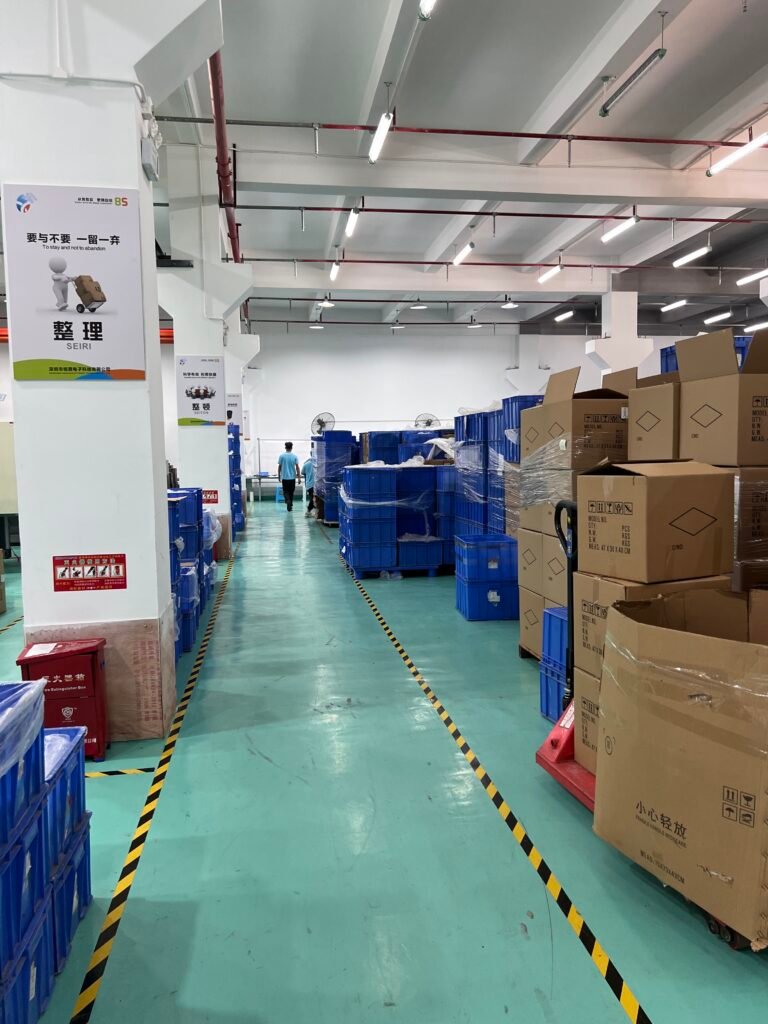
Controlling your injection molding cost starts with choosing the right manufacturing partner. At BFY Mold, we combine over 20 years of tooling expertise with highly efficient production floors to deliver premium quality without the premium price tag.
- In-House Tooling: Because we design and machine our molds in-house with tolerances down to ±0.05mm, we eliminate middleman markups and reduce lead times to as little as 15 to 30 days.
- Free DFM Analysis: Our engineering team will review your CAD files before you spend a dime. We actively look for ways to optimize your design to lower tooling complexity and reduce cycle times.
- Transparent Pricing: We provide detailed, line-item quotes so you know exactly what you are paying for—no hidden fees, no surprises.
Frequently Asked Questions (FAQ)
Q1: What is the minimum order quantity (MOQ) for injection molding?
At BFY Mold, we support businesses of all sizes. While high volumes (10,000+ units) offer the best piece-price economics, we frequently run low-volume production batches (500 to 1,000 units) to help clients validate their markets.
Q2: How long does it take to get a quote?
Once you submit your 3D CAD files (STEP or IGES format) and material requirements, our engineers typically provide a comprehensive tooling and production quote within 24 hours.
Q3: Who owns the mold after I pay for it?
You do. Once the tooling invoice is fully paid, the mold is 100% your property. We will safely store and maintain it in our facility for the duration of your production runs at no extra charge.
Stop Guessing Your Manufacturing Costs
Are you ready to see real numbers for your next project? Let our experts crunch the data for you.
[Get a Free Custom Quote Today] – Upload your 3D models and production volume requirements, and start optimizing your manufacturing budget.