When engineers and product designers need to incorporate a flexible, rubber-like component into their designs, they are frequently faced with a choice between two highly popular materials: TPR (Thermoplastic Rubber) and TPU (Thermoplastic Polyurethane).
At first glance, both materials seem quite similar. They are both flexible, they can both be processed on standard injection molding machines, and they are both 100% recyclable. However, on a molecular and performance level, they are fundamentally different. Choosing the wrong material can lead to premature product failure, poor tactile feel, or unnecessary manufacturing costs.
In this comprehensive engineering guide, we will break down the differences between TPR and TPU, compare their mechanical properties, and help you determine exactly which flexible plastic is right for your next injection molding project.
A Brief Overview of the Materials
What is TPR (Thermoplastic Rubber)?
As we discussed in our detailed guide on [What is TPR Material], Thermoplastic Rubber is a physical blend of polymers—typically a styrene-based plastic (SBS or SEBS) mixed with rubber. It is prized for its excellent slip resistance, soft matte finish, and ability to mimic the feel of vulcanized rubber without the expensive thermoset curing process.
What is TPU (Thermoplastic Polyurethane)?
TPU is a unique class of polyurethane plastics. Unlike TPR, which is a physical blend, TPU is a pure block copolymer. This structural difference makes TPU incredibly tough. It bridges the gap between rubber and rigid plastics, offering phenomenal resistance to abrasion, tearing, oils, and greases.
TPR vs. TPU: The Ultimate Engineering Comparison
To make an informed decision, you need to look at how these materials perform under stress. Here is a side-by-side comparison of their core B2B engineering data:
Technical Property Comparison Chart
| Feature / Property | TPR (Thermoplastic Rubber) | TPU (Thermoplastic Polyurethane) |
| Tactile Feel & Finish | Soft, rubbery, typically matte. Excellent grip. | Smooth, can be glossy or matte. Firmer feel. |
| Abrasion & Wear Resistance | Moderate | Outstanding (One of the best among plastics) |
| Oil & Chemical Resistance | Poor to Moderate | Excellent (Highly resistant to oils and greases) |
| Cold Temperature Performance | Good (Remains flexible) | Excellent (Maintains high elasticity at sub-zero) |
| Load Bearing Capacity | Low | High |
| Overmolding Compatibility | Best with PP, PE, PS | Best with ABS, PC, Nylon (PA) |
| Material Cost | Lower Cost | Higher Cost |
Deep Dive into Key Differences
1. Durability and Wear Resistance
If your product is going to take a beating, TPU is the undisputed winner. TPU has exceptional tensile strength and abrasion resistance. This is why it is the standard material for heavy-duty applications like caster wheels, skateboard wheels, and industrial drive belts. TPR, while flexible and shock-absorbing, will scratch, wear down, and tear much faster under continuous heavy friction.
2. Flexibility and Tactile Feel (Ergonomics)
If your primary goal is to create a comfortable, non-slip grip for a user’s hand, TPR is usually the better choice. TPR can be formulated to be exceptionally soft (down to 0 Shore A hardness), mimicking the feel of a silicone gel or soft rubber eraser. It provides a warmer, more grippy tactile sensation. TPU tends to feel more “plastic-like” and firm, even in its softer grades.
3. Environmental and Chemical Resistance
Will your part be exposed to automotive fluids, industrial greases, or harsh solvents? If so, you must use TPU. TPR degrades quickly when exposed to strong oils and chemicals, causing it to swell or dissolve. However, if the product is only exposed to water and everyday weather, TPR performs perfectly well.
Overmolding (2K Molding): A Shared Superpower
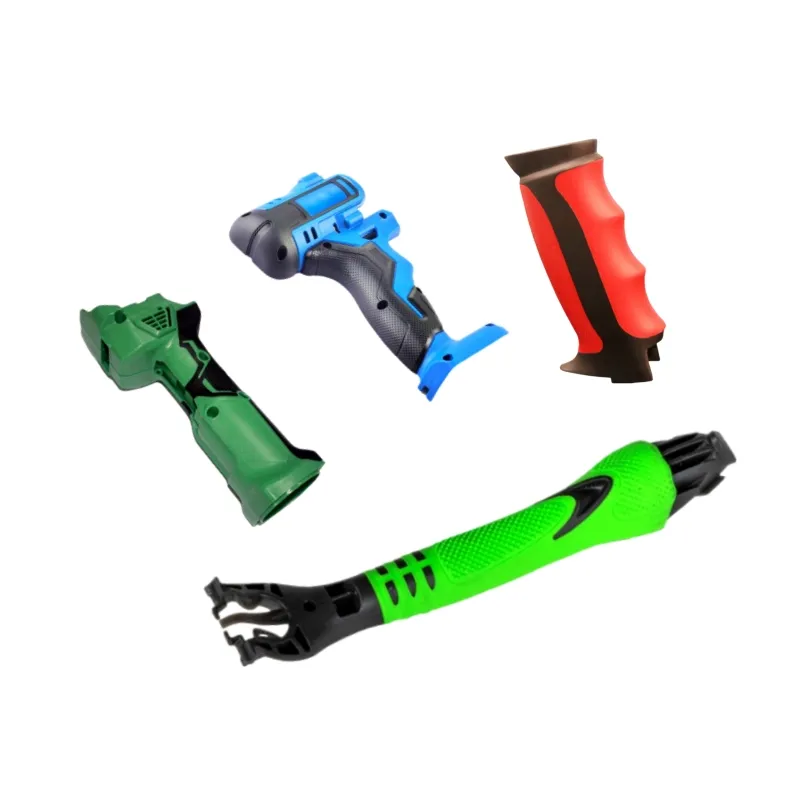
Both TPR and TPU are widely used in overmolding (also known as two-shot or 2K molding). This is the process of injecting a soft, flexible material directly over a rigid plastic substrate to create a single, seamless part without the need for glue.
However, they bond to different base plastics:
- Use TPR when overmolding onto Polypropylene (PP) or Polyethylene (PE).
- Use TPU when overmolding onto engineering resins like ABS, Polycarbonate (PC), or Nylon.
At BFY Mold, we have over 20 years of experience in complex overmolding processes. Our engineering team carefully matches the chemistry of the flexible overmold with the rigid substrate to ensure a permanent, chemical bond that will never peel or delaminate.
Which Material Should You Choose?
Choose TPR if you are designing:
- Ergonomic grips for hand tools, toothbrushes, or sporting equipment.
- Bicycle handlebar grips and pedal surfaces.
- Pet toys or soft children’s toys.
- Cost-sensitive products where extreme wear resistance is not required.
Choose TPU if you are designing:
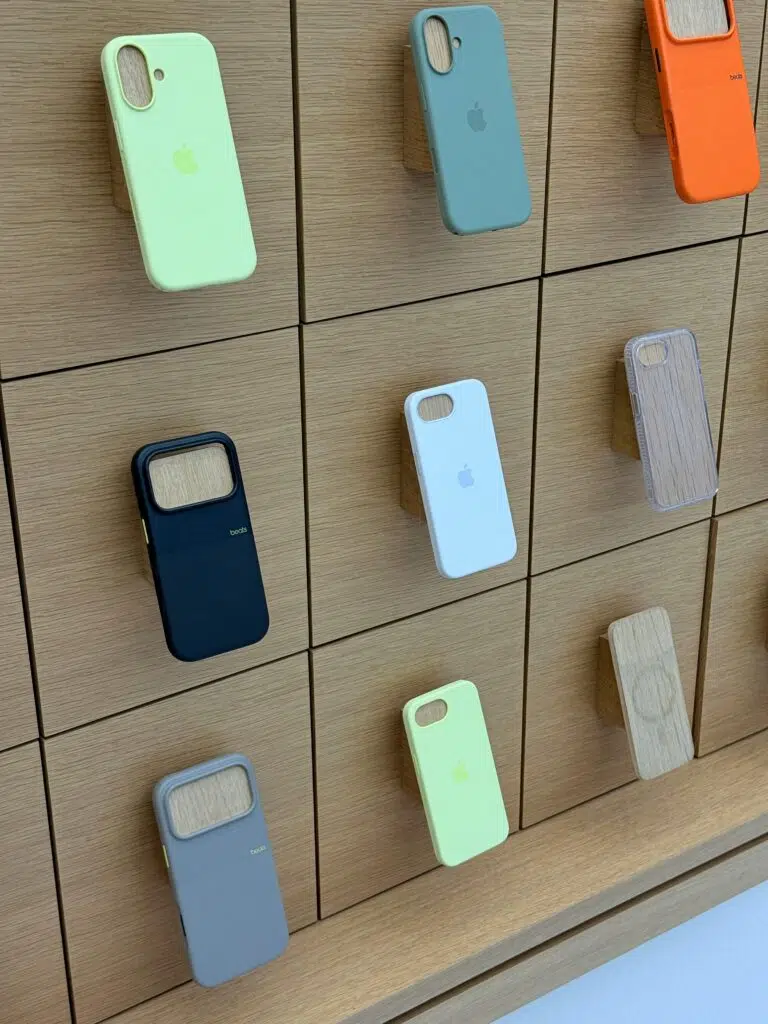
- Protective smartphone and tablet cases.
- Automotive interior parts, bushings, or grommets.
- Medical tubing and wearable health monitoring devices.
- Industrial rollers, caster wheels, or heavy-duty seals.
Frequently Asked Questions (FAQ)
Q1: Which is heavier, TPR or TPU?
Generally, TPU has a slightly higher specific gravity (density) than standard TPR. This means that a part molded from TPU will feel slightly heavier and denser than the exact same part molded from TPR.
Q2: Can both TPR and TPU be recycled?
Yes. Both materials are true thermoplastics. This means that sprue runners, defective parts, and end-of-life products can be melted down, reground, and recycled into new parts, making them highly eco-friendly compared to thermoset rubbers.
Q3: Is TPU safe for skin contact?
Yes, TPU is highly biocompatible, hypoallergenic, and free from phthalate plasticizers. It is widely used in wearable technology (like smartwatch bands) and medical applications. For a deeper dive into this topic, read our full article: [Is TPU Toxic?].
Get Expert Material Selection Advice
Still unsure whether Thermoplastic Rubber or Thermoplastic Polyurethane is the right fit for your specific application? Material selection can make or break your product’s success and budget.
[Contact BFY Mold Today] – Send our engineering team your CAD files and application requirements. We will provide a free DFM review, recommend the perfect material grade, and deliver a competitive injection molding quote within 24 hours.