Thermoplastic Polyurethane (TPU) is everywhere. Because it bridges the gap between flexible rubber and rigid plastic, it is widely used to manufacture smartphone cases, smartwatch bands, medical tubing, and automotive interiors.
However, as consumers and regulatory bodies become increasingly health-conscious, a critical question frequently arises for product designers and procurement managers: Is TPU toxic?
In this comprehensive guide, we will examine the chemical nature of Thermoplastic Polyurethane, explore its safety profile across various industries, and explain why choosing the right material grade and manufacturing partner is essential for your product’s success.
What is TPU? A Brief Overview
Before addressing its toxicity, it is helpful to understand what TPU is. Thermoplastic Polyurethane is a unique class of polyurethane plastics featuring many useful properties, including high elasticity, transparency, and resistance to oil, grease, and abrasion.
Unlike thermoset rubbers (which are permanently cured), TPU is a thermoplastic. This means it can be melted, injected into a mold, cooled into a solid shape, and even remelted and recycled.
Is TPU Toxic? The Short Answer
The short answer is No. Solid, finished TPU is generally considered non-toxic and safe. When TPU is in its final, cooled, and molded state, it is an inert material. It does not actively release harmful chemicals into the environment under normal use conditions. However, to fully understand TPU safety, we must differentiate between the raw chemical manufacturing process and the final injection-molded product.
The Chemistry: Raw Materials vs. Final Product
The creation of raw TPU resin involves reacting diisocyanates with diols. In their raw, unreacted liquid form during chemical synthesis, isocyanates are highly reactive and toxic.
However, this chemical reaction happens at the resin manufacturer’s facility (e.g., BASF, Covestro), not at the injection molding plant. By the time the TPU arrives at a molding facility like BFY Mold in the form of solid plastic pellets, the chemical reaction is entirely complete. The toxic precursors have been consumed and neutralized, leaving behind a stable, inert, and non-toxic polymer chain.
TPU Safety in Specific Applications
While standard TPU is safe for general use, specific applications require specialized grades of TPU to comply with stringent global safety regulations.
1. Skin Contact and Wearables
If you are designing a smartwatch band, AR/VR headset cushioning, or fitness tracker strap, TPU is one of the best materials available.
- Hypoallergenic: TPU is generally hypoallergenic and does not cause skin irritation or contact dermatitis for the vast majority of users.
- Plasticizer-Free: Unlike flexible PVC, which often relies on potentially harmful phthalate plasticizers to remain soft, TPU achieves its flexibility through its inherent molecular structure. It is naturally phthalate-free.
2. Food Contact Applications
Can TPU be used in food processing or kitchenware? Yes, but only if you specify Food-Grade TPU. Food-grade TPU is specially formulated and rigorously tested to ensure that no harmful substances migrate from the plastic into the food or beverage. When sourcing parts for food applications, ensure your molding partner uses TPU resins that comply with:
- FDA (US Food and Drug Administration) regulations
- EFSA (European Food Safety Authority) standards
3. Medical Devices
Medical-grade TPU is extensively used in the healthcare industry to replace PVC and latex. It is highly valued for its biocompatibility and is used in products like catheters, IV tubing, and wound dressings. Medical-grade TPU must pass strict biological reactivity testing, such as USP Class VI and ISO 10993, to prove it does not cause toxicity when exposed to human tissue or bodily fluids.
Environmental Safety: Is TPU Eco-Friendly?
Safety isn’t just about human health; it’s also about environmental impact.
- BPA-Free: TPU does not contain Bisphenol A (BPA), a controversial chemical found in some polycarbonates and epoxy resins.
- Recyclability: As a true thermoplastic, TPU is 100% recyclable. Manufacturing scrap (sprues and runners) can be reground and mixed with virgin material, drastically reducing plastic waste.
- Biodegradability: Standard TPU is not biodegradable. However, advanced bio-based TPUs (derived from renewable resources like corn or castor oil) are becoming increasingly available for brands aiming for a lower carbon footprint.
Safety During the Injection Molding Process
While the finished product is safe, heating TPU to its melting point (typically 190°C to 220°C) during the injection molding process can release mild fumes or odors.
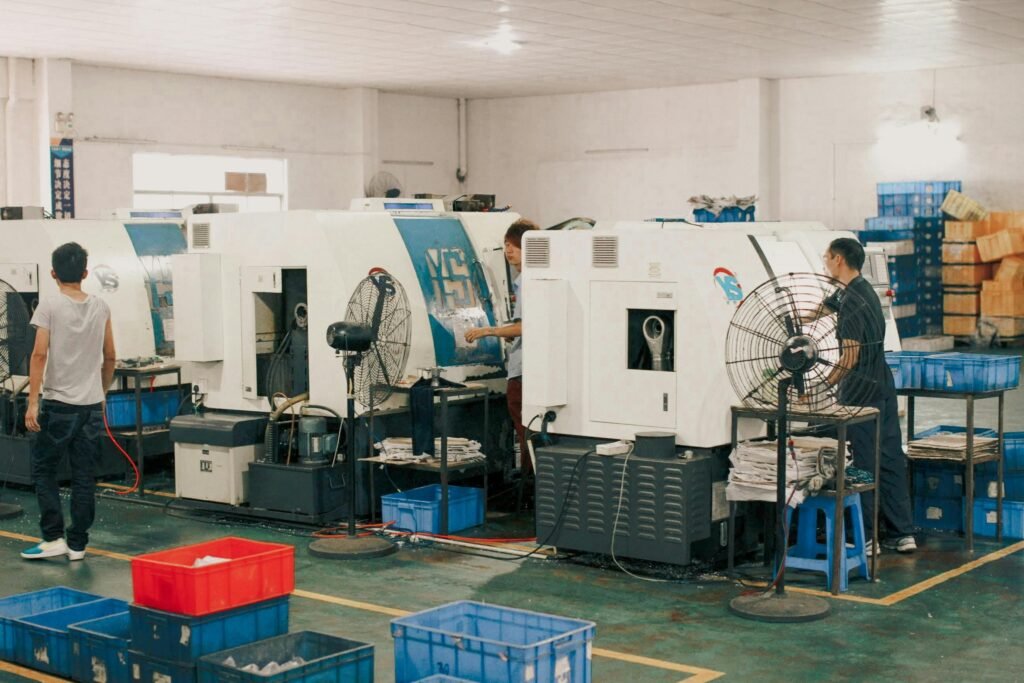
If overheated or burned, TPU can decompose and release irritating gases. This is why partnering with a professional manufacturing facility is crucial. At BFY Mold, our factory floors are equipped with industrial-grade ventilation systems, and our molding machines utilize precise PID temperature controls to ensure the TPU is processed safely without degradation.
Why Source Your TPU Components from BFY Mold?
Designing a safe and reliable TPU product requires more than just picking a material off a data sheet. It requires precise tooling, moisture control (TPU must be thoroughly dried before molding), and strict quality assurance.
With over 20 years of experience, BFY Mold is an expert in flexible material molding:
- Material Certification: We can source certified medical-grade, food-grade, or UV-resistant TPU resins accompanied by full SGS, RoHS, and REACH documentation.
- Overmolding Expertise: We specialize in 2K (two-shot) molding, seamlessly bonding soft TPU grips onto rigid ABS or PC housings to enhance product safety and ergonomics.
- ISO-Certified Quality: Our strict quality control systems guarantee that every part meets your dimensional tolerances (up to ±0.05mm) and safety requirements.
Frequently Asked Questions (FAQ)
Q1: Is TPU safe for babies and children’s toys? Yes, TPU is an excellent choice for children’s products because it is durable, non-toxic, and free of BPA, phthalates, and heavy metals. Always ensure the specific resin grade chosen complies with international toy safety standards (e.g., EN71 or ASTM F963).
Q2: Does TPU plastic smell toxic? Finished TPU products generally have no odor. If you notice a strong chemical smell on a new TPU product, it is likely due to the release agents or adhesives used during assembly, not the TPU itself. The smell usually dissipates quickly in a well-ventilated area.
Q3: Can TPU withstand high heat? Standard TPU is safe to use in environments up to 70°C – 80°C. Prolonged exposure to temperatures above this range will not necessarily make it toxic, but it will cause the material to soften, deform, and eventually degrade.
Start Your Safe Manufacturing Journey
Whether you are developing a next-generation wearable device or an ergonomic hand tool, BFY Mold ensures your TPU components are manufactured safely, precisely, and cost-effectively.
[Request a Free Quote Today] – Send us your CAD files, and our engineers will provide a comprehensive DFM analysis and tooling quote within 24 hours.