


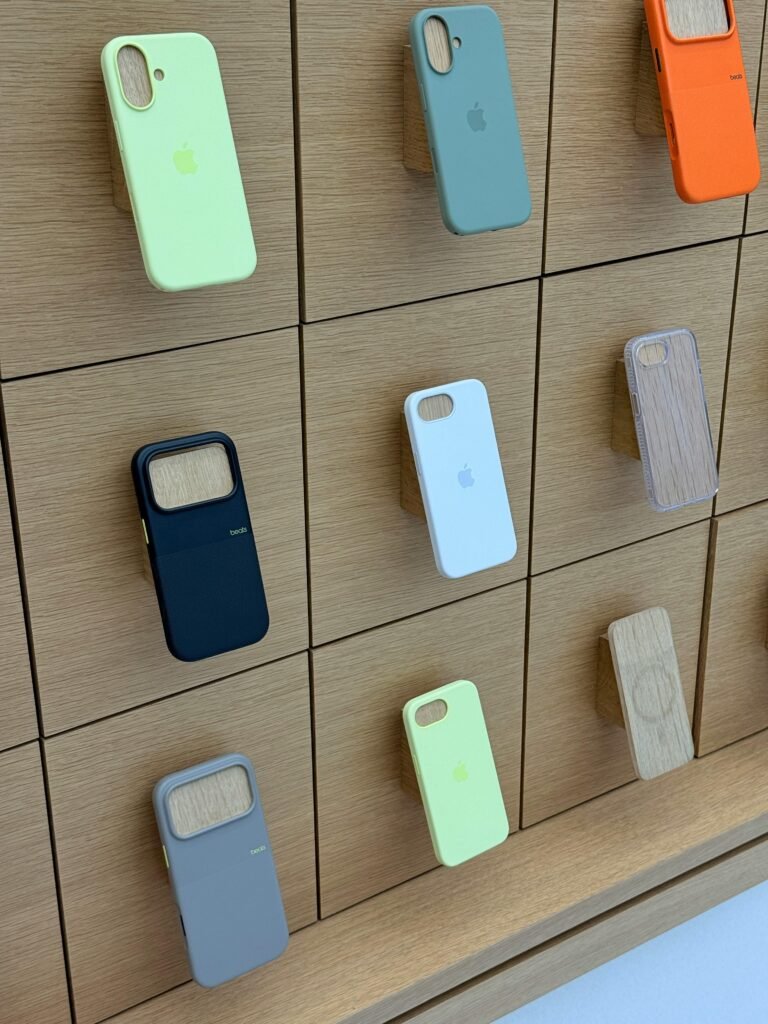
TPR vs. TPU: Which Flexible Plastic is Right for Your Project?
When engineers and product designers need to incorporate a flexible, rubber-like component into their designs, they are frequently faced with a choice

Practical insights into injection molding, mold making, materials and custom manufacturing.
When engineers and product designers need to incorporate a flexible, rubber-like component into their designs, they are frequently faced with a choice

The most critical asset in the plastic injection molding process isn’t the plastic resin or even the injection machine—it is the mold

When designing flexible, grip-friendly, or impact-resistant plastic parts, engineers are often faced with a dizzying array of material choices. Among them, TPR

Whether you are designing precision mold components, assembling CNC machined metal parts, or engineering interlocking plastic enclosures, understanding mechanical fits is absolutely

Modern electronic components, such as PCBAs (Printed Circuit Board Assemblies) and delicate sensors, are becoming increasingly miniaturized and fragile. Traditional encapsulation methods,
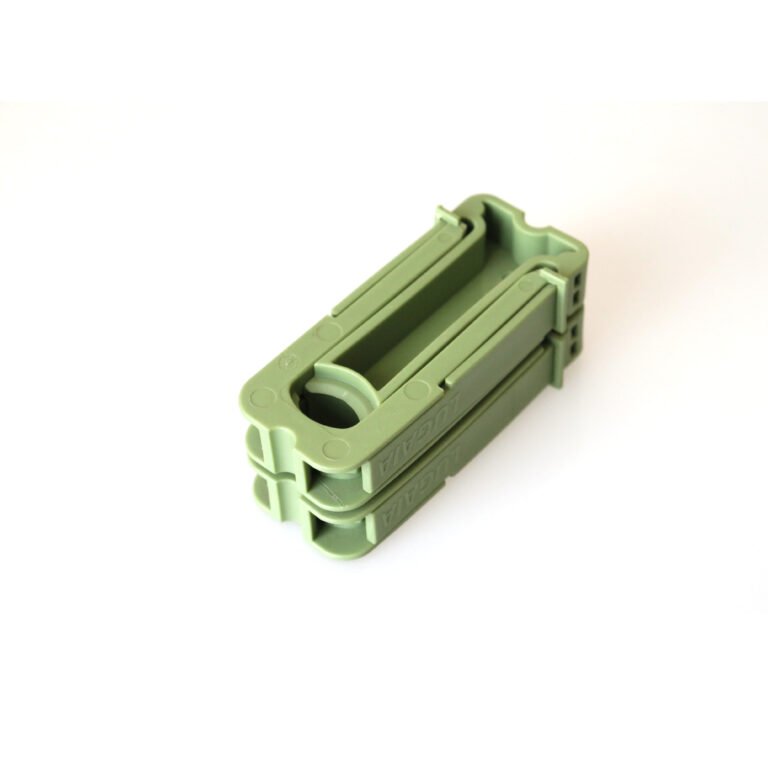
In the evolving landscape of product design, Polylactic Acid (PLA) plastic has emerged as a cornerstone material for brands seeking to merge