Modern electronic components, such as PCBAs (Printed Circuit Board Assemblies) and delicate sensors, are becoming increasingly miniaturized and fragile. Traditional encapsulation methods, like time-consuming potting or harsh high-pressure injection molding, often fail to meet today’s demands for fast, cost-effective, and highly protective manufacturing.
This is where Low Pressure Molding (LPM) steps in. In this comprehensive guide, we will explore the principles of LPM, how it compares to traditional molding, and why it is the ultimate solution for protecting sensitive electronics.
What is Low Pressure Molding (LPM)?
Low Pressure Molding is a specialized manufacturing process designed to encapsulate and protect delicate electronic components. Unlike traditional plastic injection molding, LPM uses significantly lower injection pressures and milder temperatures to prevent damage to fragile parts.
The Basic Principle and Process
The LPM process involves melting high-performance thermoplastic adhesives and injecting them into a mold cavity that contains the electronic component. Because the injection pressure is typically kept between 1.5 to 40 bar, the molten material gently wraps around the PCBA or wire harness without causing structural stress, breaking solder joints, or damaging surface-mounted devices (SMDs).
Key Materials Used in LPM
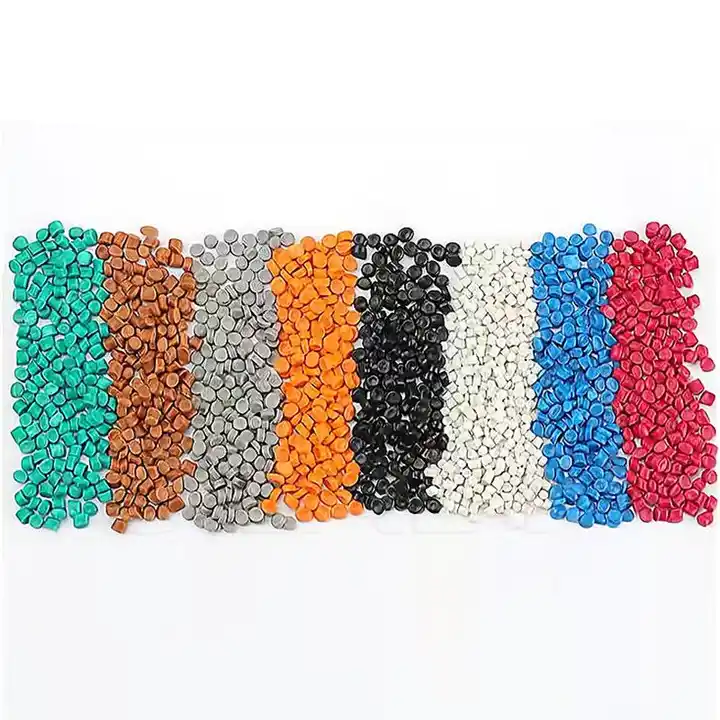
LPM primarily utilizes Polyamide (PA) and Polyolefin hot melt adhesives. These materials are unique because they are not only adhesives but also act as structural housing.
- Superior Adhesion: They form a watertight chemical bond with substrates like PVC, PUR, and metals.
- Eco-Friendly: They are single-component, solvent-free materials that emit Zero VOCs (Volatile Organic Compounds).
Low Pressure Molding vs. Traditional Injection Molding
Many engineers wonder when to switch from traditional molding to LPM. The core differences lie in the operating parameters and the required tooling.
Differences in Pressure, Temperature, and Tooling
B2B Engineering Data Comparison:
| Feature | Low Pressure Molding (LPM) | Traditional Injection Molding | Traditional Potting |
| Injection Pressure | 1.5 – 40 bar | 500 – 1,500+ bar | N/A (Gravity poured) |
| Material Temp | 180°C – 240°C | 200°C – 350°C+ | Room Temp to 80°C |
| Tooling Material | Aluminum Molds (Cheaper, Faster) | Hardened Steel Molds (Expensive) | Simple fixtures |
| Cycle Time | 10 to 60 seconds | 15 to 60 seconds | 2 to 24 hours |
| Protection Level | IP67 / IP68 (Waterproof) | Moderate to High | High |
Why Traditional Molding Fails for Delicate Electronics
Applying 1,000 bar of pressure to a naked circuit board will instantly crush components and snap micro-wires. Furthermore, the high temperatures of engineering plastics (like PC or Nylon) can easily melt the solder pastes used on modern PCBAs. LPM completely eliminates these risks by utilizing a gentle, low-viscosity flow.
Key Benefits of Low Pressure Molding
1. Superior Protection (Waterproofing and Shock Absorption)
The polyamide adhesives used in LPM provide exceptional sealing properties. Components encapsulated via LPM can easily achieve IP67 or IP68 waterproof ratings, making them resistant to moisture, dust, vibration, and thermal shock.
2. Cost and Time Efficiency
Because the injection pressures are so low, LPM utilizes aluminum molds rather than expensive hardened steel. This reduces tooling costs by up to 50% and significantly shortens the lead time. Compared to the traditional resin potting process (which takes hours to cure), LPM parts solidify in seconds, massively boosting production throughput.
3. Eco-Friendly and Sustainable
Polyamide materials are derived from natural, renewable resources (such as soybean oil or castor oil). They are non-toxic, produce zero hazardous fumes during processing, and require no mixing of secondary curing agents.
Typical Applications of LPM in Manufacturing
LPM is widely adopted across industries that require ruggedized electronics:
- Automotive Electronics: Sensors, micro-switches, and ECU enclosures that must survive under-the-hood environments.
- Medical Devices: Wearable health monitors and patient sensors that require biocompatible and waterproof protection.
- Cable Harnesses & Connectors: Providing strain relief and environmental sealing for heavy-duty cables.
Essential Design Guidelines for Low Pressure Molding
To ensure a successful LPM project, engineers should follow these DFM (Design for Manufacturing) guidelines:
- Wall Thickness: Maintain a minimum adhesive thickness of 1.5mm to 2.0mm over sensitive components to ensure adequate thermal and mechanical protection.
- Draft Angles: Although polyamides shrink slightly upon cooling (which aids in demolding), applying a 1° to 2° draft angle on vertical walls is highly recommended to prolong mold life.
- Component Placement: Keep taller electronic components away from the mold edges to allow smooth material flow.
Why Choose BFY Mold for Your Low Pressure Molding Projects?
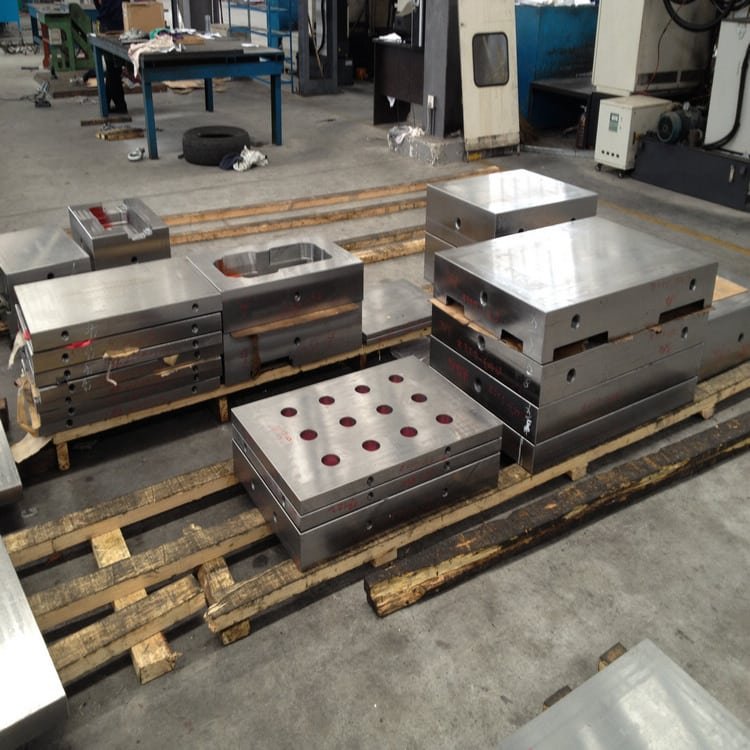
With over 20 years of experience in custom plastic injection molding and tool making, BFY Mold is your trusted partner for high-precision manufacturing.
- Precision Aluminum Tooling: We manufacture high-quality LPM aluminum molds with strict tolerances down to ±0.05mm.
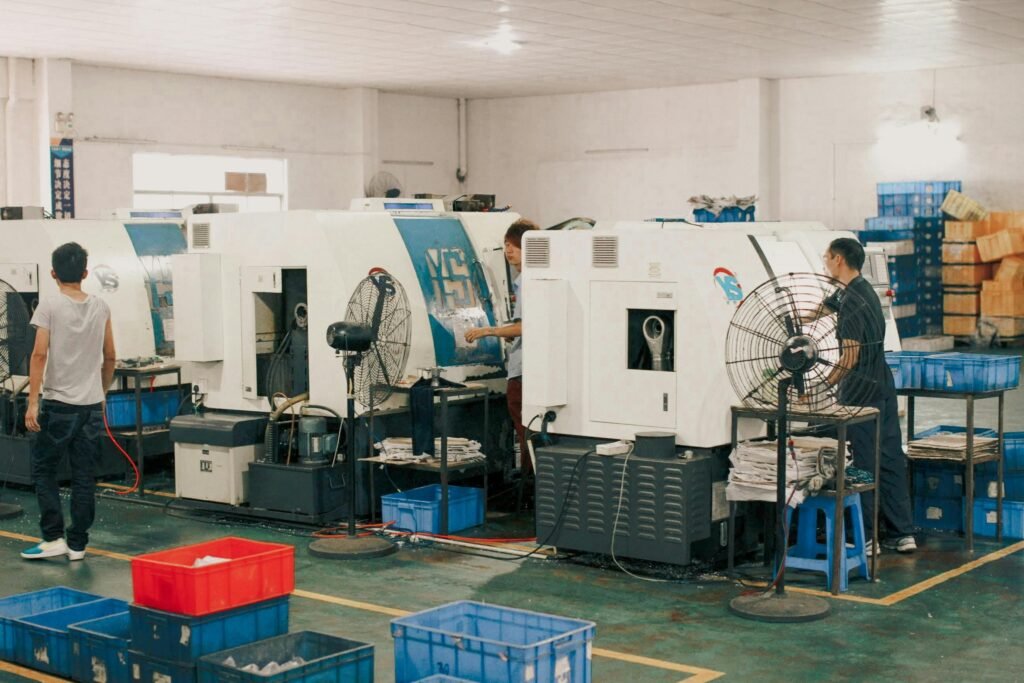
- Fast Turnaround: Our rapid prototyping and in-house CNC machining capabilities allow us to deliver molds in as little as 15 to 30 days.
- Complete Quality Control: We are ISO-certified and conduct rigorous IP-rating testing to ensure your electronics are perfectly protected.
Frequently Asked Questions (FAQ)
Q1: Is Low Pressure Molding waterproof?
Yes. The hot melt adhesives used in low pressure molding chemically bond to wires and PCBAs, creating a watertight seal that easily meets IP67 and IP68 waterproof standards.
Q2: What is the typical lead time for LPM tooling?
Because LPM uses aluminum molds, the tooling is much faster to machine than traditional steel molds. At BFY Mold, typical lead times range from 2 to 4 weeks, depending on part complexity.
Q3: Can LPM replace traditional potting compounds?
Absolutely. LPM eliminates the messy, time-consuming potting process. Instead of waiting 24 hours for potting epoxy to cure, LPM parts are fully cured and ready for assembly in under 60 seconds.
Ready to Protect Your Electronic Components?
Choosing the right encapsulation method is critical to the lifespan of your products. If you are developing ruggedized sensors, medical devices, or automotive electronics, our engineering team is ready to help.
[Contact BFY Mold Today] for a free design review and receive a competitive quote within 24 hours.